A Harvard study has confirmed that following a 4-part "Portfolio Diet" can significantly reduce bad cholesterol by up to 30% in just 3 months. This dietary approach, inspired by financial investment principles of diversification, has been scientifically validated through randomized clinical trials involving over 1,000 participants over a period of more than 3 months.
Dr. Li Jian-zhang, a Harvard-trained epidemiologist, shared on the program Health Cloud Way that the "Portfolio Diet" successfully adapts the financial concept of portfolio diversification to eating. Rather than relying on a single superfood, this approach uses four food groups working together to reduce risk and maximise cardiovascular benefits.
The diet's efficacy is backed by rigorous scientific evidence. In randomized controlled trials with over 1,000 participants, the Portfolio Diet lowered LDL ("bad") cholesterol by up to 30% within 3 months—an effect comparable to some cholesterol-lowering medications. Li explains that LDL cholesterol gradually accumulates as plaque on artery walls, significantly increasing the risk of heart attack and stroke. At the same time, the diet boosts HDL ("good") cholesterol, which helps transport excess cholesterol back to the liver for metabolism, maintaining vascular elasticity and youthfulness. By applying these principles to every meal, you can improve cardiovascular health simply through eating.
Li outlined the 4 core components of the Portfolio Diet:
4 Core Components of the Portfolio Diet
1. Plant Protein (Lowers Bad Cholesterol)
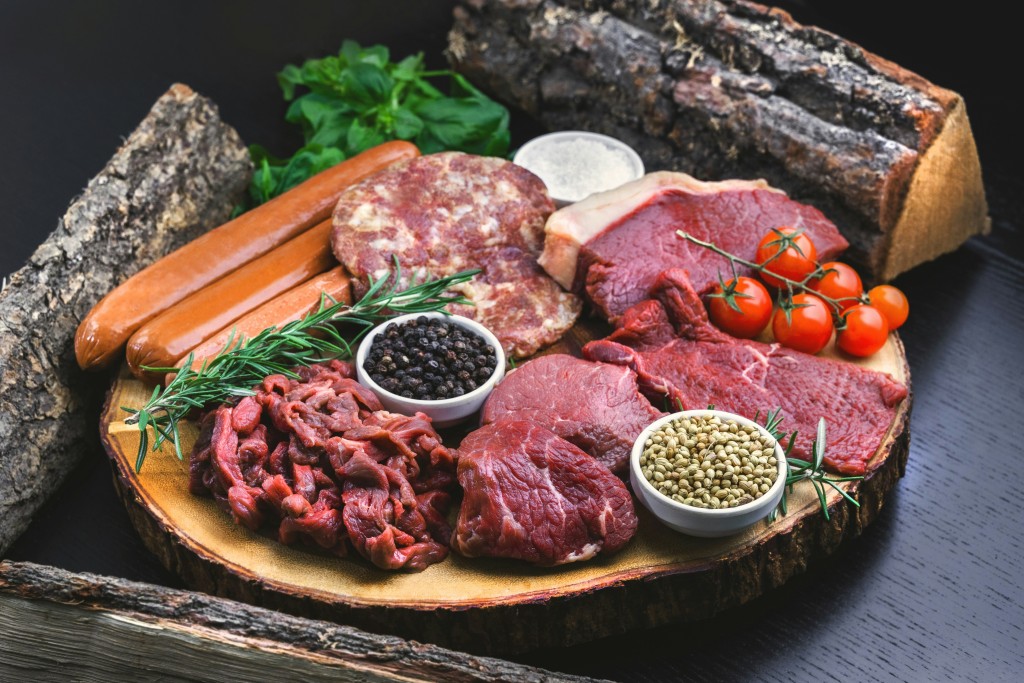
Replace some red meat with plant-based protein sources such as tofu and dried bean curd. This not only meets nutritional needs but also significantly reduces the burden of animal protein on blood lipids, serving as the foundation of a healthy diet.
2. Soluble Fiber (Removes Blood Lipids)
Consume more foods rich in soluble fibre, such as oats, whole grains, Chinese yam, and mushrooms. This type of fibre binds with bile acids in the intestines, helping fat be excreted in stool. This not only improves constipation but also effectively lowers cholesterol, supporting both gut and cardiovascular health.
3. Nuts (Provides Unsaturated Fatty Acids)
Nuts are rich in unsaturated fatty acids, which effectively raise HDL ("good") cholesterol, benefiting heart health. A mix of assorted nuts is recommended; peanuts can be eaten in moderation but should not be overconsumed.
4. Plant Sterols (Replaces Animal Sterols)
Use ingredients rich in plant sterols—such as olive oil and soy—as raw materials for hormone synthesis, helping to lower bad cholesterol. Replace animal sterols (e.g., organ meats, seafood) with plant sterols for a healthier option that does not raise blood lipid levels.
Li states that following these four core principles can significantly improve blood lipids and cholesterol. Typically, blood lipid levels begin to stabilise within a week. With consistent adherence for 1–2 months, the risk of cardiovascular disease and stroke drops noticeably, making the goal of "rejuvenating blood vessels by 20 years" entirely achievable.
What Are the Ideal Cholesterol Levels? The Difference Between Good and Bad Cholesterol
According to the Department of Health, cholesterol is a type of fat and a major component of cell walls, bile, and various hormones. Most cholesterol in the body is produced by the liver, but it can also be obtained from animal-based foods such as meat, fish, and dairy. Since cholesterol cannot dissolve in blood, it binds with lipoproteins for transport throughout the body.
The body has a regulatory mechanism to maintain normal blood cholesterol levels. When large amounts of cholesterol-rich food are consumed, the liver naturally produces less cholesterol, and vice versa.
Some people have impaired regulation, causing blood cholesterol to rise when they consume high-cholesterol foods. Therefore, careful dietary control is necessary to prevent health risks.
LDL (Bad Cholesterol)
- Ideal Level: Below 3.4 mmol/L (below 2.6 mmol/L is even better)
- Drawback: Accelerates fat accumulation in blood vessels, increasing coronary heart disease risk
HDL (Good Cholesterol)
- Ideal Level: Above 1.0 mmol/L (1.6 mmol/L or higher is even better)
- Benefit: Prevents blood vessel blockage and rupture, lowering heart disease risk
Sources: Health Cloud Way (健康云之道), Department of Health (Hong Kong)