Leaving food out for long periods in summer can increase the risk of food poisoning. A doctor points out that 4 types of common foods are more prone to bacterial growth when left at room temperature in summer, leading to poisoning and gastrointestinal discomfort. He also explains proper storage methods to reduce this risk.
Intensive care specialist Dr. Huang Xuan wrote on his personal blog that summer is peak season for intestinal diseases like diarrhea. Consuming the following 4 seemingly harmless foods can cause sporadic diarrhea, and long-term accumulation could lead to serious health consequences. Those with weaker digestive systems, elderly who habitually eat leftover dishes or prefer to let meals cool before refrigerating, need to be particularly aware of these subtle details in daily diets.
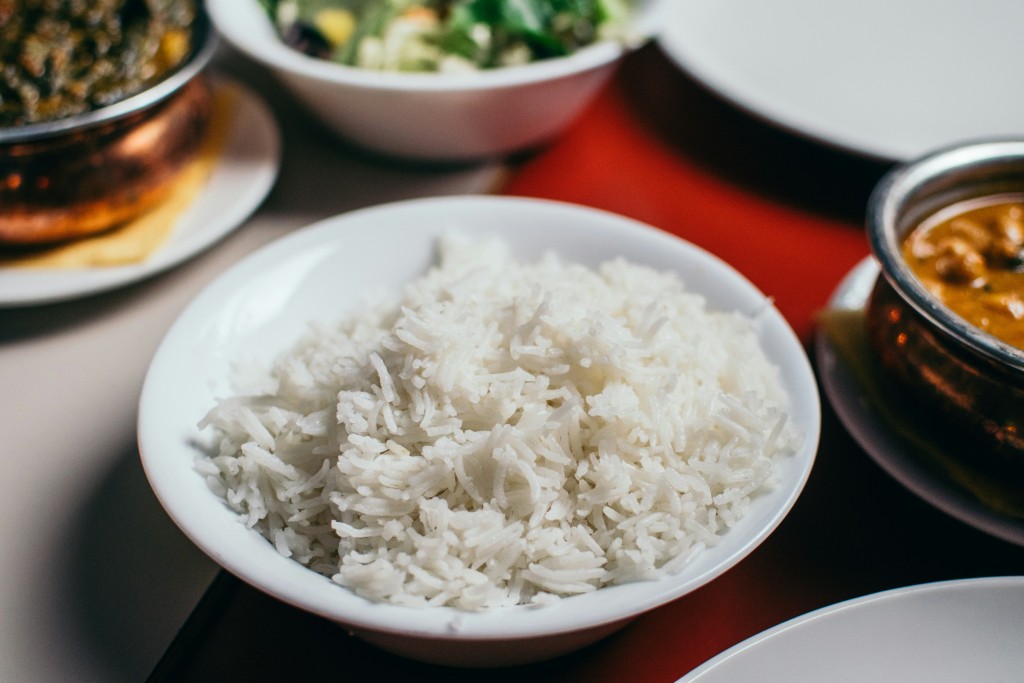
1. Leftover Rice
Many habitually leave cooked rice at room temperature, thinking that covering it keeps it hygienic. However, this seemingly harmless rice can become a breeding ground for Bacillus cereus within hours, especially in hot summer weather. Research published in the Journal of Food Protection shows significant differences in toxin production time based on storage temperature:
- At 20°C, it takes 16 hours for toxins to be detectable.
- At 30°C, toxins appear in just 8 hours.
- At 35°C, toxins can be detected in only 4 hours.
At 35°C, Bacillus cereus colonies can exceed the dangerous threshold of 10⁵ CFU/ml within two hours – sufficient to cause food poisoning symptoms. Toxins produced by Bacillus cereus are highly heat-resistant; even heating at 126°C for 90 minutes cannot completely destroy them.
In summer, lunch boxes should be eaten while hot. Leftovers should be refrigerated while still hot, or kept at temperatures above 60°C to inhibit bacterial growth.
2. Sauces and Condiments
Many habitually keep sauces like oyster sauce and soy sauce on the kitchen counter, mistakenly believing their high salt content provides natural preservation. However, these seemingly safe condiments can become breeding grounds for bacteria and mold if not refrigerated after opening. Oyster sauce and low-sodium soy sauce are particularly prone to pathogenic microorganisms like Salmonella, causing vomiting, diarrhea, fever, and abdominal pain. A study in the Journal of Food Quality and Hazards Control found that oyster sauce stored at room temperature (24°C and 30°C) showed bacterial growth after six weeks. Crucially, even when bacterial counts exceeded safe levels by the tenth week, the taste and odor of the oyster sauce remained normal.
Do not rely on smell to judge spoilage. Store opened condiments in the refrigerator and use them promptly. When purchasing, consider squeeze-packaging, which generally offers better protection against bacteria than traditional glass bottles.
3. Ice Cubes
If you feel unwell after a cold drink, the problem may not be the drink's temperature but the ice cubes themselves. A 2017 study in the Journal of Water and Health showed that ice cubes from many summer beverage shops commonly contain high levels of bacteria such as E. coli. Primary contamination sources include:
- Ice machines and scooping tools not regularly or thoroughly disinfected, creating ideal environments for microbial growth in high temperatures.
- Staff not wearing disposable gloves, failing to perform proper hand hygiene, and cross-contamination from cleaning tools.
Opt for commercially sealed packaged ice or make ice at home. When making ice at home, ensure the water source is clean and store ice separately from raw meat, seafood, and other ingredients to prevent cross-contamination.
4. Pre-Cut Fruit
Studies have shown that even after removing visibly spoiled or moldy parts of fruit, the remaining seemingly normal flesh can still be contaminated by microorganisms. Hygiene during preparation is critical: whether staff hands are properly disinfected, knives and cutting boards are clean, fruits are washed before peeling, and storage refrigerators are cold enough.
Furthermore, a study in Foodborne Pathogens and Disease compared bacterial growth in pre-cut fruit at different temperatures. Salmonella and E. coli in pre-cut fruit stored at 25°C increased 4-fold within 24 hours. The longer the storage time, the more bacteria multiply.
Choose pre-cut fruit from reputable supermarkets or online platforms, or prepare fruit at home and consume immediately.
Common Food Poisoning Pathogens and Their Symptoms
According to the Hong Kong Department of Health, food poisoning is usually caused by consuming contaminated food or water. Contamination sources are often related to bacteria, viruses, parasites, biotoxins, or chemicals.
Key examples include:
- Shiga toxin-producing E. coli: From raw/undercooked minced meat, contaminated vegetables, unpasteurized dairy. Symptoms: abdominal pain, diarrhea (possibly bloody), fever, vomiting.
- Vibrio parahaemolyticus: Commonly found in seafood from undercooked or raw seafood. Symptoms: vomiting, diarrhea, abdominal pain, possible fever.
- Salmonella: From undercooked meat, poultry, unpasteurized milk, raw eggs. Symptoms: vomiting, diarrhea, abdominal pain, possible fever.
- Clostridium perfringens: From cross-contamination, undercooked meat, or meat stored at improper temperatures (e.g., stews, braised dishes). Symptoms: vomiting, diarrhea, abdominal pain.
- Staphylococcus aureus: From food handlers with skin infections; commonly in hand-prepared foods not reheated (sandwiches, cakes). Symptoms: vomiting, diarrhea, abdominal pain.
- Norovirus: From contaminated food/water, infected persons, or contaminated surfaces. Common sources: raw oysters, uncooked vegetables, salads, ice cubes. Symptoms: nausea, vomiting, diarrhea, abdominal pain, mild fever.
- Ciguatera poisoning (biotoxin): Found in certain reef fish (coral fish). Symptoms: numbness around mouth/face/limbs, temperature reversal, dizziness, palpitations, chest pain.
- Tetrodotoxin poisoning (biotoxin): Found in pufferfish and porcupinefish. Symptoms: numbness (lips, tongue, face, limbs), headache, vomiting, diarrhea, abdominal pain, slurred speech, difficulty walking, paralysis, respiratory distress.
- Pesticides (chemicals): From vegetables with dangerous pesticide residue levels. Symptoms: dizziness, muscle weakness, numbness, tearing, salivation, palpitations.
If food poisoning symptoms appear, seek medical attention immediately and replenish fluids. To prevent food poisoning, choose safe food ingredients, maintain hand and utensil hygiene, separate raw and cooked foods, cook food thoroughly, and store food at safe temperatures.
Source: Dr. Huang Xuan (Chest Medicine and Critical Care Specialist), Department of Health (Hong Kong)
Expert Profile: Dr. Huang Xuan is an Associate Professor in the Department of
Gastroenterology and Hepatology at Linkou Chang Gung Memorial Hospital, Taiwan. His specialty includes inflammatory bowel diseases such as Crohn's disease and ulcerative colitis.