Read More
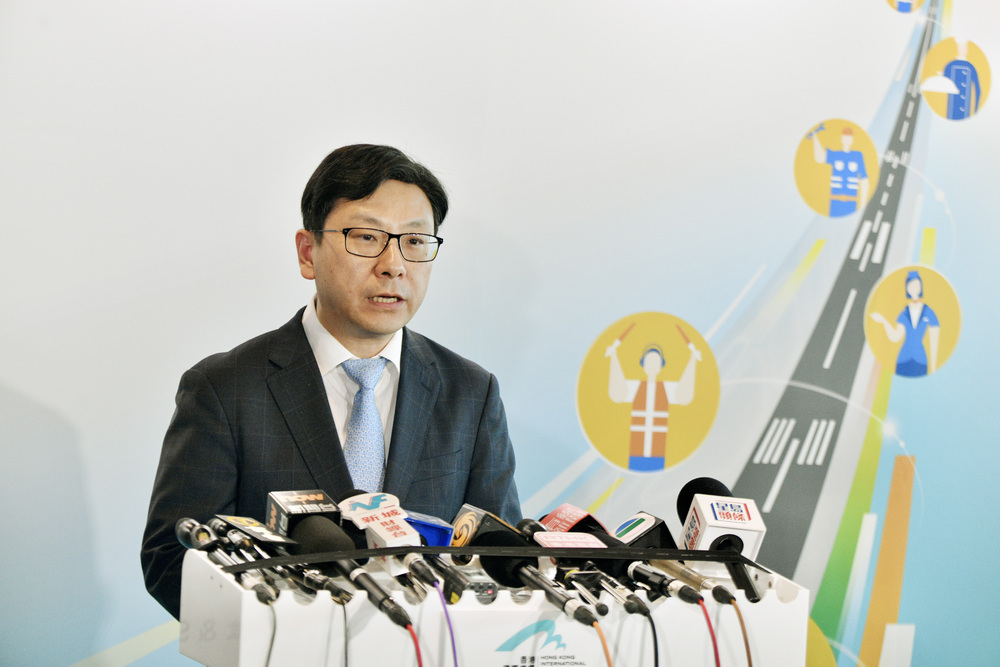
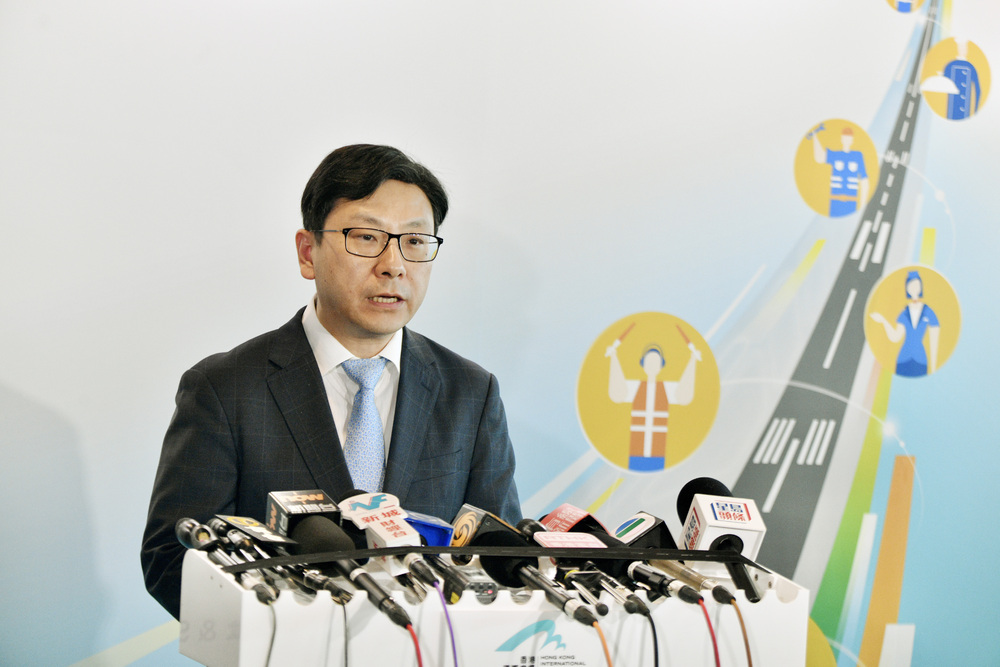
Applications for the enhanced labor importation scheme will be open for two years from today, with Secretary for Labour and Welfare Chris Sun Yuk-han expecting applications to be approved within three months of submissions.
ADVERTISEMENT
SCROLL TO CONTINUE WITH CONTENT
Sun said the three months already represented a maximum hastening of the process as the first four weeks following the submission of an application would be used for local recruitment.
“Our principle is to quarantine local employment, so we included a four-week local employment in the application, and we also tried to shorten the length of [local employment],” he said yesterday.
This, he reiterated, was intended to strike a balance between prioritizing local employment and the business sector’s development and needs.
Authorities announced the relaxation of the labor importation scheme in June, to allow employers to import mainland or foreign workers for 26 low-skilled positions.
After applications have passed screening by the Labour Department, employers will have to launch four-week local recruitment, with the department passing the job postings to members of the Labour Advisory Board and trade unions to ensure suitable locals get the first shot at the jobs.
Sun said “senior staff” would be looking at applications for 10 of the positions, including cashiers, sales, deliverymen, clerks and warehouse keepers, after the labor sector expressed doubts over the need to import these workers.
Sun also defended the “one-year ban” for employers who faked a difficulty in local recruitment, saying that the punishment is already in a reasonable range, and employers will already have to pay a hefty price.
“It is indeed a severe punishment to ban employers from submitting an application for a year,” he said. “If we don’t impose a ban on employers, in case they submit applications every single day, it will only increase the workload for approval bodies.”
Meanwhile, the labor sector said authorities should list those industries in which workers weren’t needed during typhoons given that the Labour Department had said a one-size-fits-all approach wasn’t feasible.
Sun said the department’s current code of practice in times of typhoons and rainstorms had already taken into account the needs of employees and had been adopted by the business sector.
He also said he has met Cambodian and Bangladeshi consular officials in Hong Kong regarding the import of domestic helpers.
The Bangladeshi consul-general, Israt Ara, has said a few hundred workers had completed their training and were ready to come to work here.