Read More





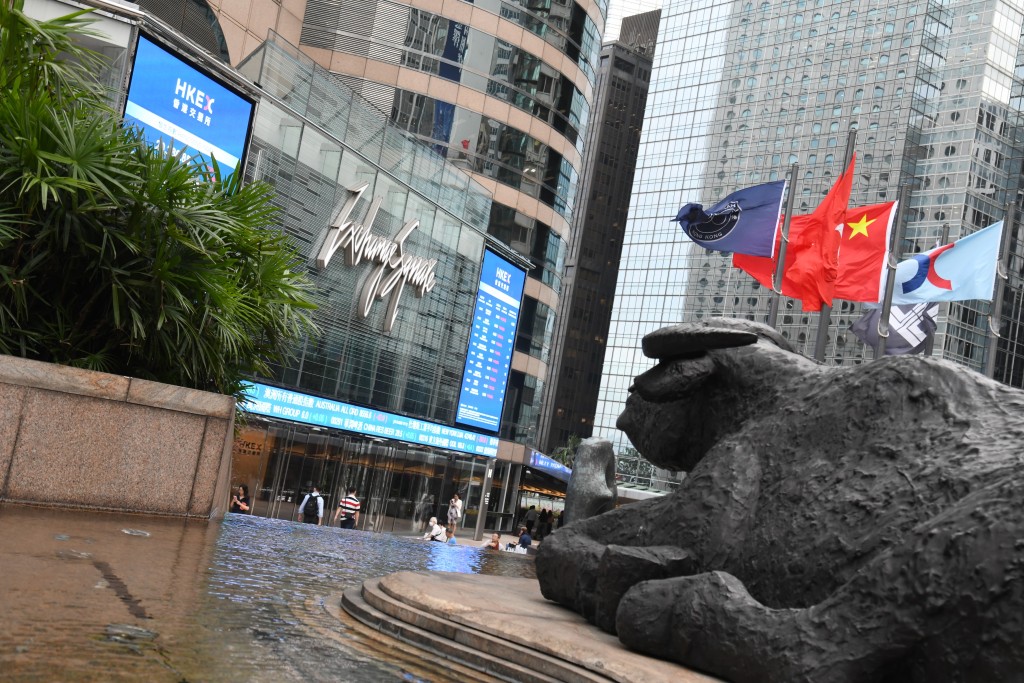
Stocks in Hong Kong and mainland China outperformed some Asian peers yesterday, amid news that Beijing had injected over 410 billion yuan (HK$454.76 billion) into the market this year and firms had intensified share buybacks.
The Hang Seng Index edged up 0.93 percent and the main board's turnover rose 23 percent to HK$102.6 billion.
The Shanghai Composite Index jumped 1.3 percent and rose above the 3,000 level again, its highest in three months, while the Shenzhen Component Index rose 2.24 percent.
In Asia's other markets, the Korea Composite Stock Price Index fell 0.83 percent, the Taiwan Stock Exchange Weighted Index narrowed by 0.49 percent and the Nikkei Stock Average inched up 1.5 basis points, rising for three consecutive days. Notably, Japanese stocks hit a fresh record high even though the country's January core inflation was higher than expected.
Meanwhile, the momentum of share buybacks in Hong Kong and mainland stock markets continued, partly supporting H and A share prices.
Shares buybacks in Hong Kong have amounted to HK$29.8 billion so far this year, 32.8 percent higher than average levels in the past 12 quarters, data from the Hang Seng Indexes Company showed.
Buybacks in the mainland also rose 11.6 percent to 12.8 billion yuan this year compared to average levels in the past 12 quarters.
At the same time, China's state-backed funds have poured more than 410 billion yuan into onshore shares this year in a bid to prop up the market, according to estimates by UBS, which expects further purchases.
State funds have been key to stabilizing the latest stock rout, with Central Huijin Investment saying earlier this month that it will continue to increase its ETF holdings.
In Hong Kong, shares of Chinese electric vehicle makers rose on BYD's (1211) reported potential expansion in Italy and Li Auto's (2015) surprising results.
BYD has been contacted by the Italian government as part of the country's efforts to attract a second car manufacturer beyond Fiat maker Stellantis.
BYD advanced over 5.3 percent.
Li Auto soared as much as 25 percent after upbeat earnings showed the EV maker is showing promise in China's hyper-competitive market.
The Hang Seng Tech Index rose 3.24 percent, with Xiaomi's (1810) rising the most, by 2.9 percent.
NetEase's (9999) rose by 0.8 percent after a game was approved by the National Press and Publication Administration. But Tencent (0700) slid as the mainland game industry's revenue fell 2 percent in January.
Ding Yi Feng (0612) slumped 23.6 percent after its former chairman and 20 others were charged with illegally manipulating the company's shares.