Read More

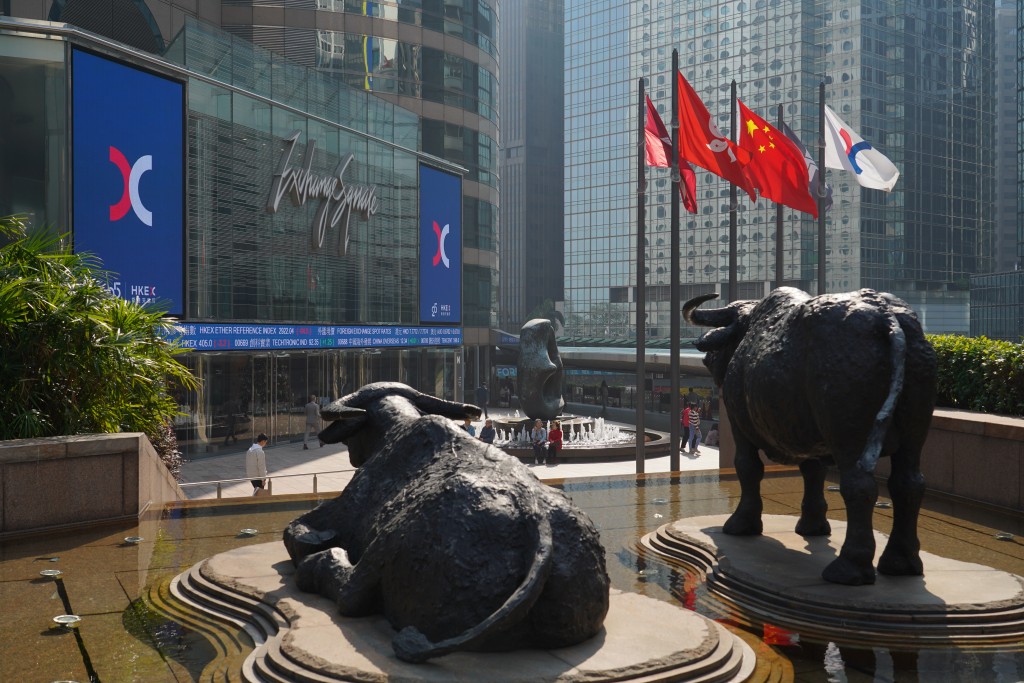
Hong Kong stocks gain by noon
2 hours ago


Jollibee founder buys Mid-Levels luxury flat for $160.75m
24-11-2026 20:48 HKT

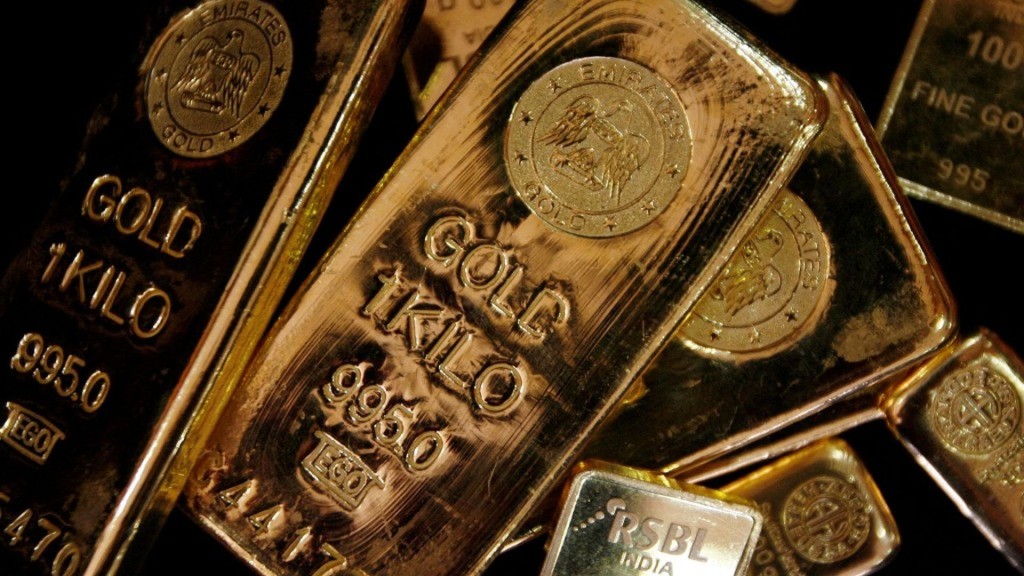
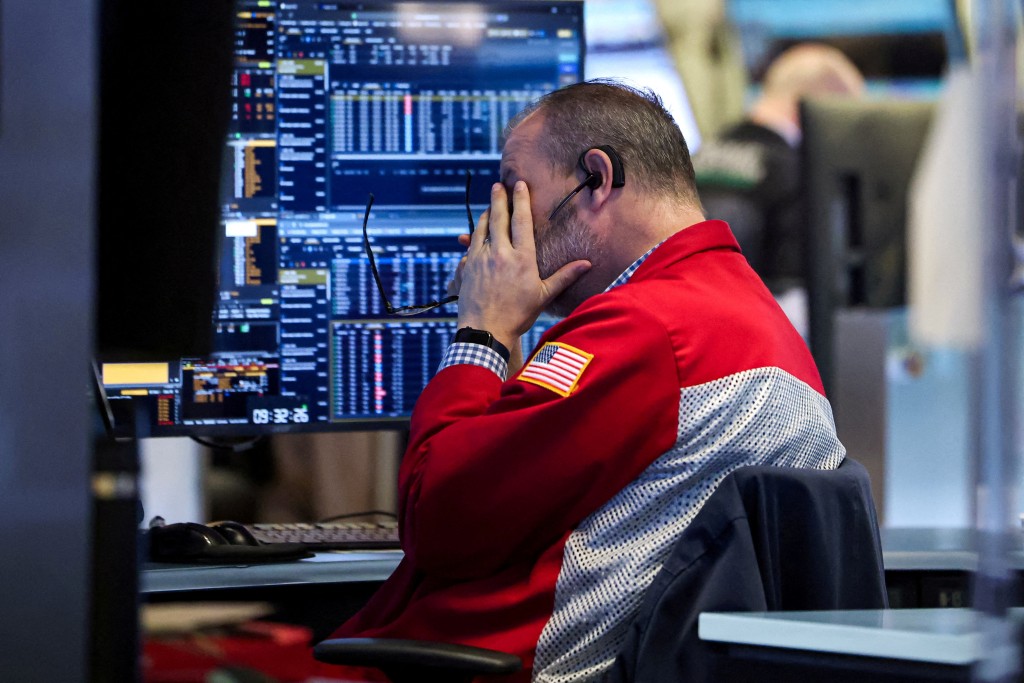
The biggest threat to the US dollar right now is the US itself, says top economist Benn Steil.
He warned that political deadlocks and the "growing weaponization" of currencies will help to fuel de-dollarization, which refers to a coordinated effort by other countries to chip away at the greenback's dominance.
Over the last 23 years, data from the International Monetary Fund reveals a decline in the US dollar's share of global foreign-exchange reserves, dropping from 72 percent to 59 percent.
However, Steil says neither the euro, which is grappling with the aftermath of the UK's exit from the European Union, nor the Chinese yuan, with a mere 3 percent share of global reserves, are probable contenders to challenge the US dollar's dominance.
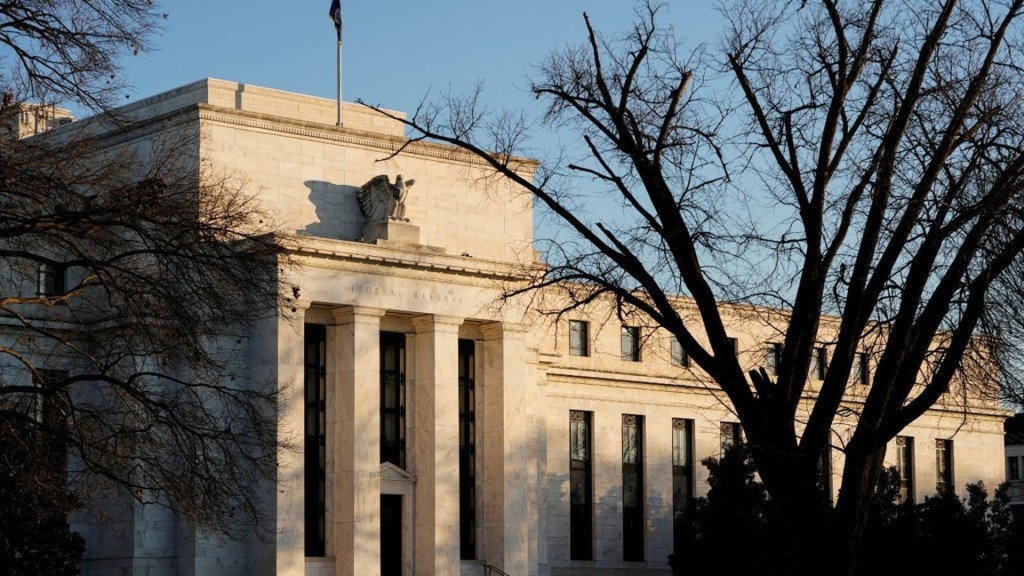
At the beginning of this month, Fitch, a rating agency, downgraded the US credit rating, citing the recent first-half debt-ceiling standoff as an illustration of a "gradual decline in governance standards."
Cutting Russia from the Society for Worldwide Interbank Financial Telecommunication and freezing Moscow's dollar reserves after Putin's 2022 invasion, criticized by Steil and Elon Musk, is a "weaponization" analogous to antibiotics overuse, causing reduced engagement with the US financial system, Steil warned.