Read More
How time flies! The Paris Olympics are upcoming this summer.
ADVERTISEMENT
SCROLL TO CONTINUE WITH CONTENT
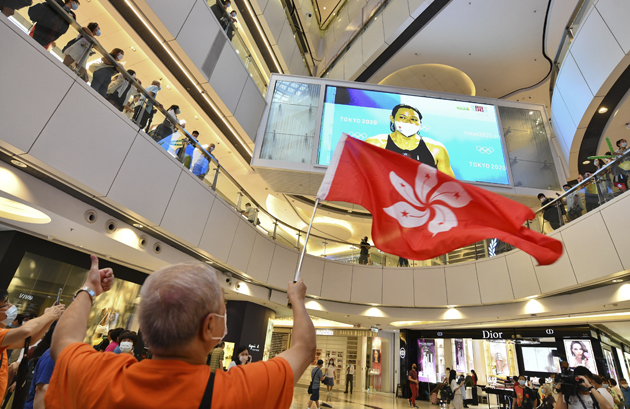
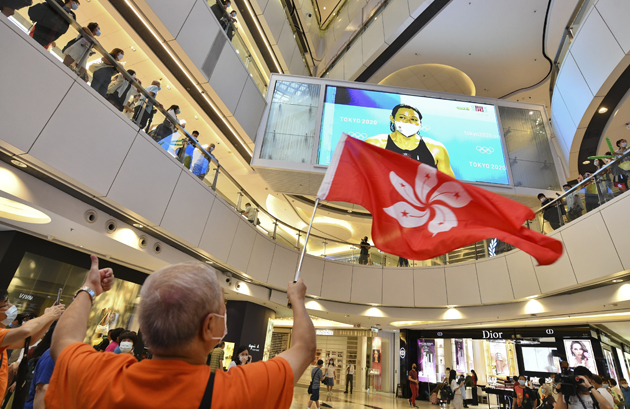
It was less than three years ago that the last event in Tokyo was broadcast live to Hong Kong after the government stepped in to purchase the broadcast rights at a time local TV stations could no longer afford the sum on their own.
Chief Executive John Lee Ka-chiu said the SAR has done it again. For an undisclosed amount, the government has bought the right for the city's four free TV networks -ViuTV, HOY TV, RTHK and TVB - to air the events.
The government has done its part. It is now up to the TV stations and others in the private sector, including shopping malls, pubs and restaurants, to use their business savvy to turn the free broadcasts into monetary opportunities.
The challenge should not be underestimated.
The Paris Olympics will be held from July 26 to August 11. Paris is six hours behind the SAR so, if major events are held in late afternoon or at night, most Hongkongers will be asleep.
If more eye-catching matches are scheduled in the early afternoon, this would be perfect for the catering sector.
In order to enjoy the atmosphere, more people will be willing to dine out at restaurants or have a few pints at pubs in the evening.
But this will depend on the events' schedule.
As the French capital is famous for top commercial brands, the organizers have secured sponsorship partnerships with a number of prominent companies.
Perhaps the Hong Kong government can learn from Paris on how to make better use of the broadcast right it has now secured in addition to merely making it available for free to the four local TV stations.
People working in the private sector are usually more creative than government bureaucrats and it may be in the latter's interest to consult the business world for innovative ideas to maximize the potential offered by the opportunity.
It is essential to involve market players when it comes to the Olympics.
It is understandable that the organizers in Paris may want to keep the worth of the deal secret since buyers from different parts of the world would make comparisons if the price were made public.
Still, it is regrettable that the chief executive had to hold back the information, apart from saying it was less than the sum the government had paid to Tokyo and the amounts that TV stations had paid in the past.
For reference, the cost of the SAR's broadcast right was reported to be HK$120 million for the 2012 London Olympics and HK$160 million for the 2016 Rio Olympics in Brazil.
The city has an official mechanism for the Legislative Council to monitor government spending, which should offer no exception for the government's spending in relation to the Olympics.
Officials should at least disclose the figure to lawmakers if they find it difficult to reveal it to the public.
Hopefully, the economy will improve enough in the next four years so that next time one of the broadcasters can buy the right to air on its own and that this is the last time the government will have to step in with taxpayers' money.