Read More



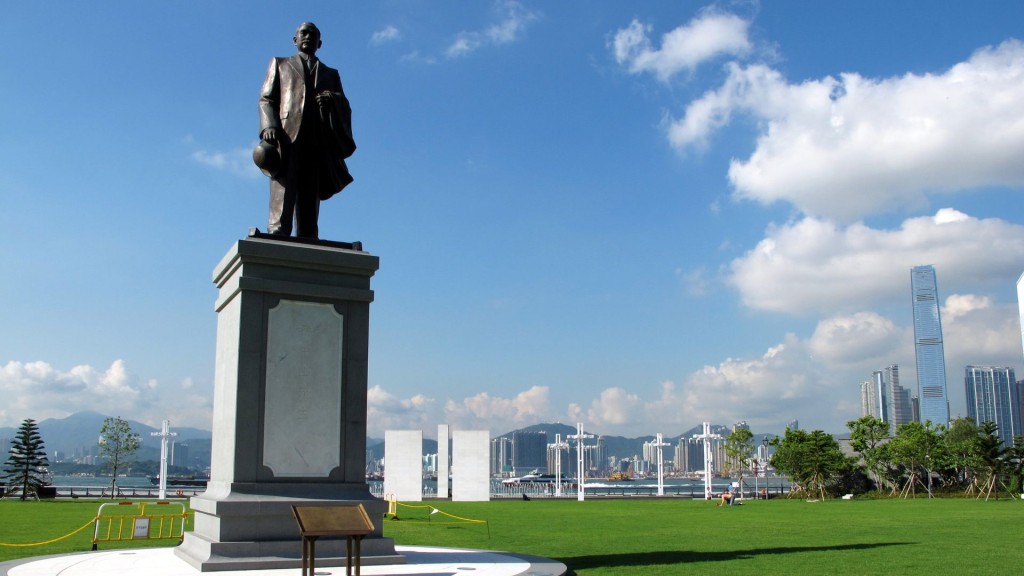
On November 12, 2026, the nation commemorated the 160th anniversary of Dr Sun Yat-sen’s birth. As a pioneering patriot striving for a prosperous China in the late 19th century, Sun was not merely a theorist; he acted on his ideas despite immense obstacles, repeated exiles, and death threats. His lifelong dedication showcased a moral magnetism that united a fractured nation and continues to resonate today.
Sun was remarkably ahead of his time. In his Industrial Plan, he outlined a vision to modernize the country through various massive infrastructure projects. Most notably, he conceptualized a sprawling 160,000-kilometer national railway grid. He proposed unprecedented feats linking coastal ports to inland provinces and frontiers like the Tibetan plateau. Proposing this when China possessed a mere 9,400 kilometers of tracks and was ravaged by warlordism, contemporaries widely mocked him as “Sun the Cannon” – a big talker with seemingly grandiose dreams.
Yet, decades of infrastructure development have proven Sun profoundly visionary. Today, China’s railway network surpasses his 160,000-kilometer benchmark, anchored by the world’s largest high-speed rail system. These mega-projects have transformed the nation, alleviating poverty, slashing logistical costs, bridging the urban-rural divide, and accelerating economic integration. Sun recognized early that transportation drives industrialization, and modern China’s mobility undeniably validates his blueprint.
Sun’s economic thought crystallized long before his Industrial Plan. In his 1894 petition to Qing viceroy Li Hongzhang, he diagnosed China’s weakness and prescribed four foundational pillars for modernization: maximizing human talent, realizing the land’s full potential, optimizing the utility of materials, and ensuring the unhindered flow of goods. This framework recognized that national strength required systemic economic reform and dismantling bottlenecks to unleash industrial productivity, rather than merely buying foreign weapons.
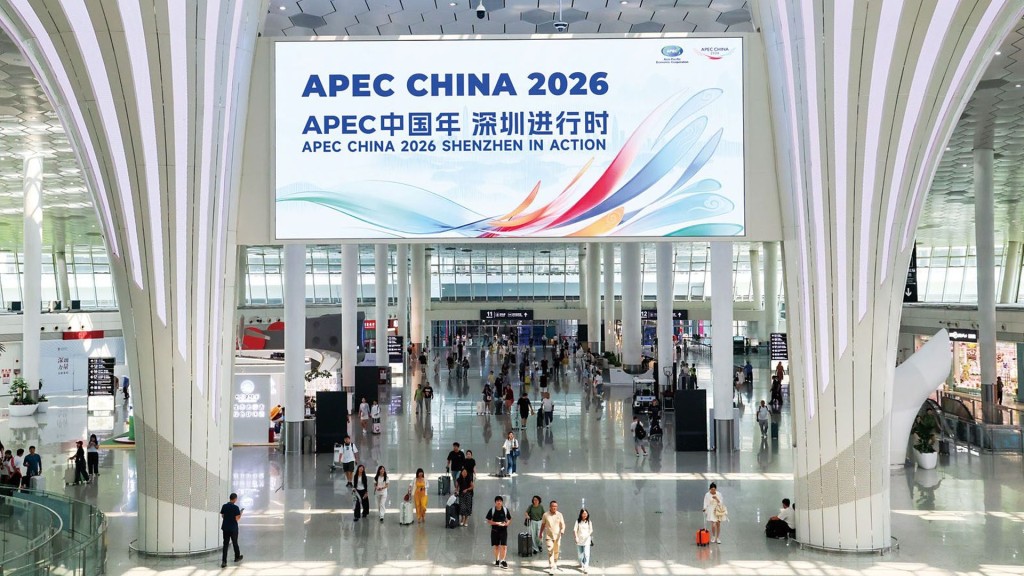
Today, these pillars draw a striking parallel to current macroeconomic strategies – specifically “Dual Circulation” and the “Unified National Market.” Just as Sun advocated for optimizing materials and the free flow of goods, Beijing’s efforts aim to break down internal protectionism, lower logistical friction, and optimize resource allocation nationwide. By ensuring goods, capital, and talent flow seamlessly, China fortifies its domestic supply chains against geopolitical shocks. It is a scaled-up realization of Sun’s century-old recipe for economic resilience.
Crucially, Sun’s revolutionary ideas were deeply rooted in his time studying in Hong Kong. Returning to the University of Hong Kong for a 1923 address, Sun declared: “Where did I get my revolutionary ideas? It is entirely in Hong Kong.” He noted that the city’s orderly administration, security, and modern planning – contrasting starkly with the unrest of his native Xiangshan – inspired his vision for a modernized China.
As the nation reflects on his 160th birthday, Hong Kong must not doubt its unique role in China’s ongoing modernization. Serving as the premier window to the West, the city remains the vital conduit for international capital, common law, and global talent. This bridging capability is the exact mechanism needed to maximize talent and ensure the free flow of goods globally. Both governments and the public must fiercely cherish and maintain this institutional advantage. Preserving Hong Kong’s distinct global role is not just an economic necessity; it is the ultimate tribute to the visionary who first dared to dream of a modern, connected, and prosperous China.