Read More
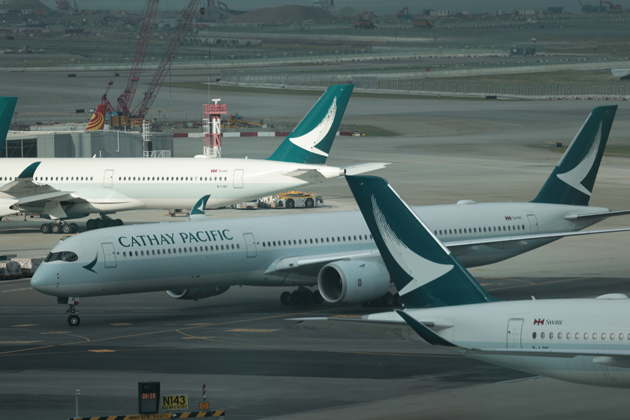
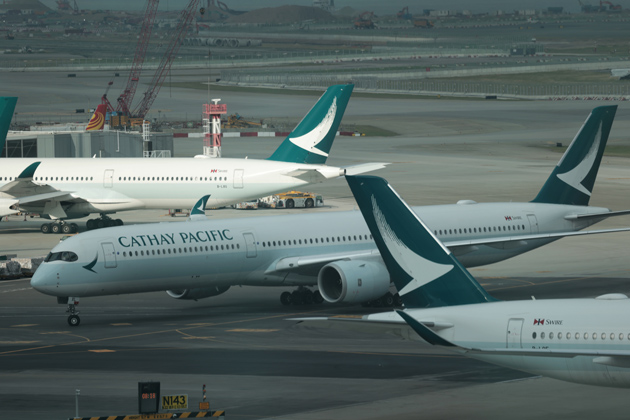
Cathay Pacific chairman Patrick Healy said the city's flagship airline finally left the pandemic behind it.
ADVERTISEMENT
SCROLL TO CONTINUE WITH CONTENT
But his words reveal only half of the truth as he omitted, while making reference to the Covid-19 curse, that the airline's recovery in flight capacity has been disappointingly slower than expected.
Shareholders were certainly delighted to see the level of profit the company has returned to from the brink of bankruptcy.
But, if not for a multi-billion-dollar package funded by taxpayers, the commercial aviation operator would have already vanished like many others during the period.
But do those at Cathay's top know customers do not necessarily share the joy of Healy and chief executive Ronald Lam, who were so excited about the profits that not only ended three years of losses but also broke all records since 2010?
Customers do not share the joy because they are being charged fares higher than before the pandemic.
The hangover is not really over yet.
The chairman's claim will be true only after the airline increases its capacity to pre-pandemic levels and reduce fares to levels previously seen. Only then can it proudly inform its shareholders and customers that the airline is finally back.
Only then will its customers take off with equal pride.
It may be fair for the management to blame constraints, including difficulty in recruiting pilots to fill up vacancies, parts shortages and supply chain delays for the longer time to be needed to rebuild flight capacity.
But these constraints are not limited to Cathay - they are global, affecting every player in the industry.
For instance, its closest competitor Singapore Airlines faces similar constraints but it is reported to have been able to restore its capacity more quickly.
An outstanding question is: can Cathay restore its capacity at least as quick - if not quicker than Singapore Airlines? If its peer could hire pilots more quickly, why couldn't Cathay?
Yesterday, Cathay said it is adding three more months to a timetable that is already too long to be acceptable.
Fares will unlikely lower unless the airline increases its capacity quickly. Prior to that, the supply-and-demand imbalance will persist to keep fares at higher than normal levels.
The airline reported a net profit of HK$9.6 billion for the year - what was the most profitable route?
If the 2018/19 figures provided by global travel data provider OAG continue to be a valid reference, its Hong Kong-London (Heathrow) route is believed to have contributed the most to its revenues for the year.
According to OAG, the Hong Kong-London (Heathrow) route alone generated more than US$604 million (about HK$4.7 billion) for Cathay to rank as the eighth most profitable service in the world in 2018/19.
As Hongkongers move to the UK, demand for the route will remain high - likely higher than anytime in the past. Will the extra revenue be enough to cover the cost for opening direct flight services to Saudi Arabia?
The pandemic may be gone, but not yet for Cathay.