






Read More

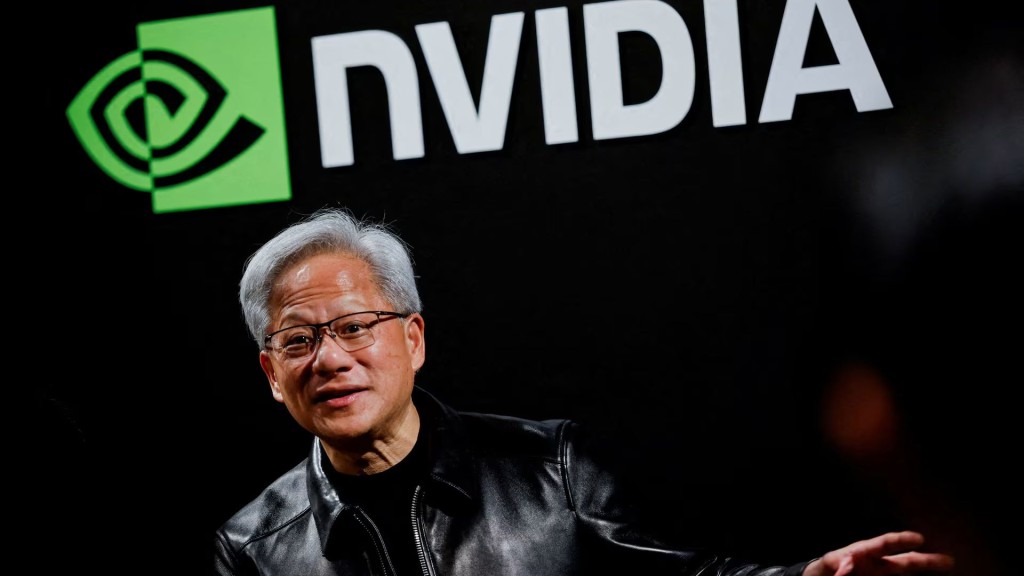

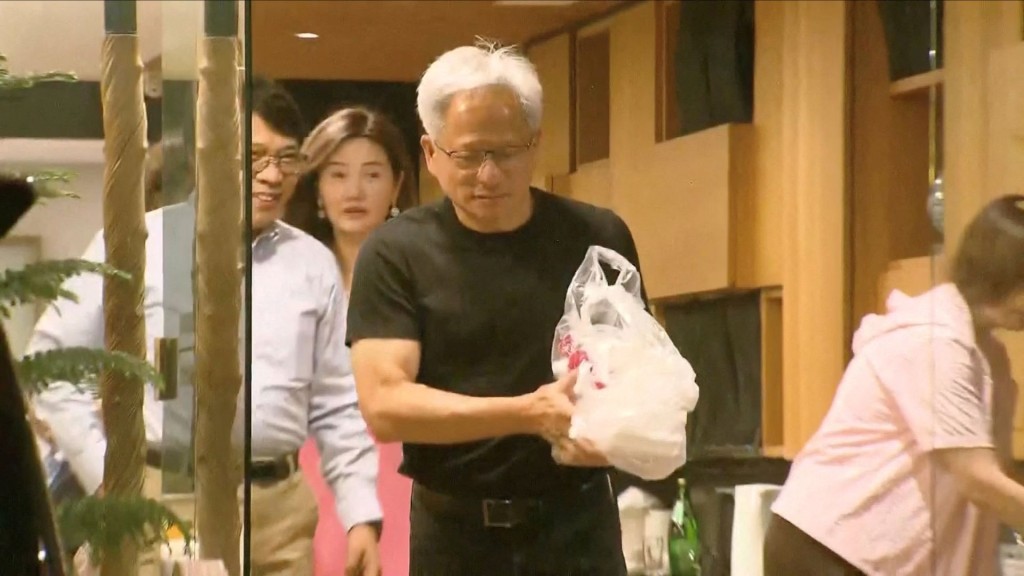
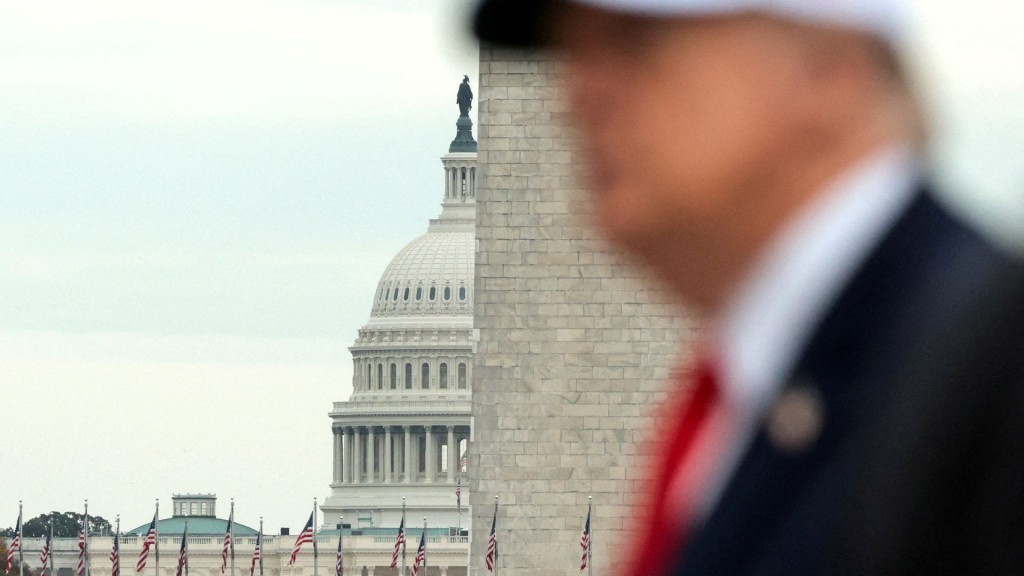
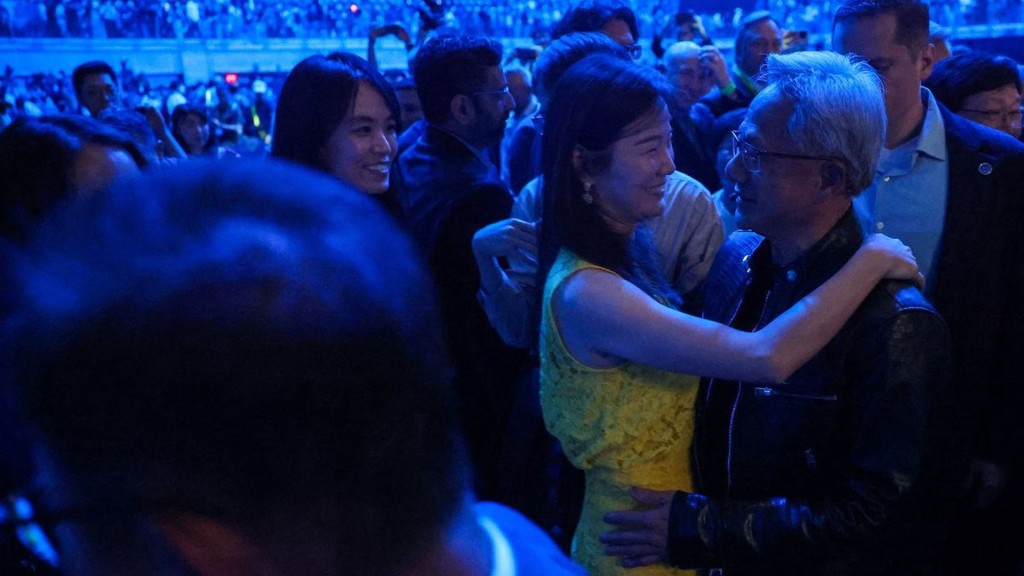
Reuters releases more intimate photos of Jensen Huang and Alice Huang
15-11-2026 01:46 HKT
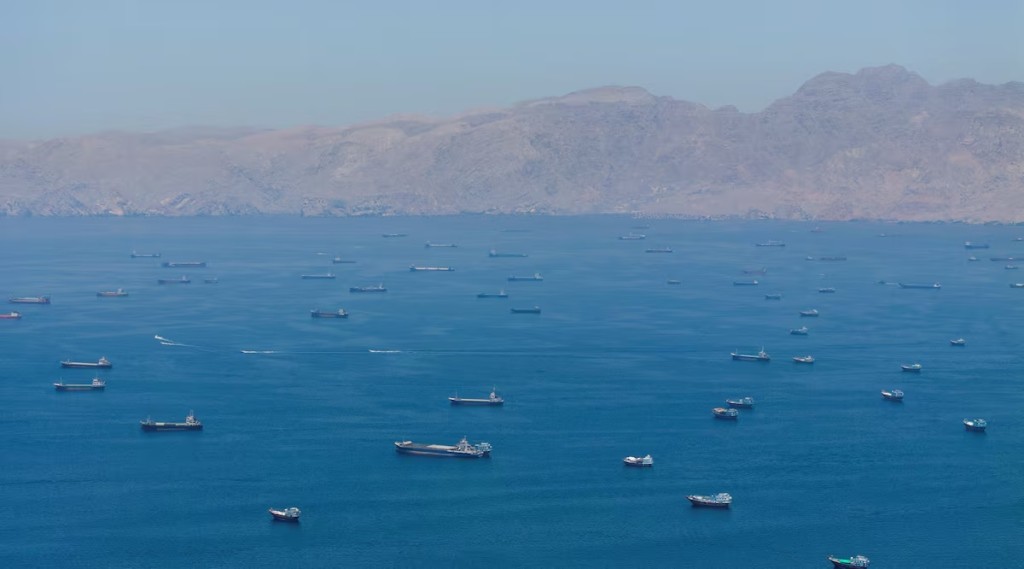
Iran says supertanker with 2 million barrels of oil sank in Gulf
15-11-2026 23:00 HKT


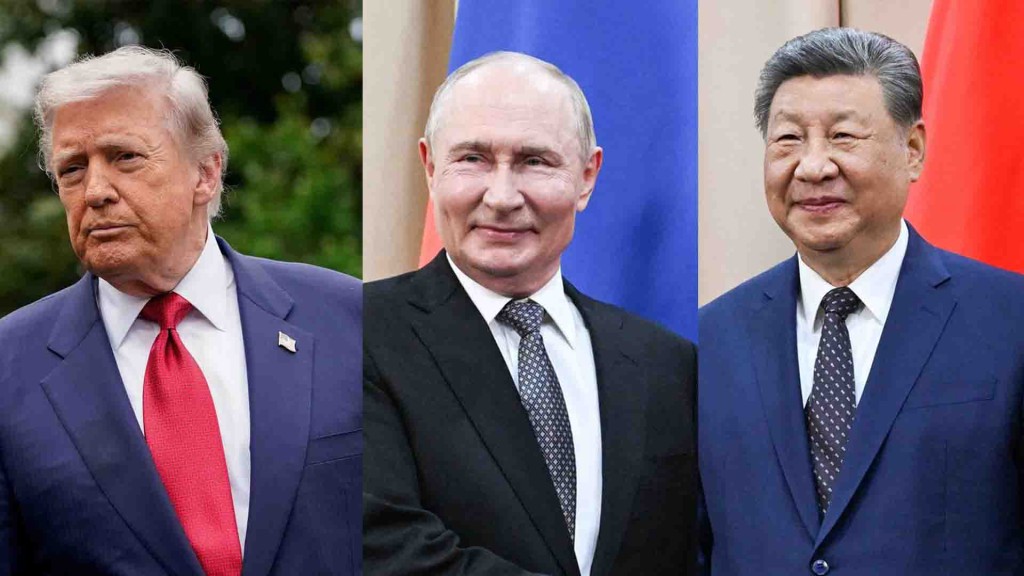
The confirmation of an impending trilateral summit between Chinese President Xi Jinping, Russian President Vladimir Putin, and US President Donald Trump on the sidelines of the APEC summit in Shenzhen has sent geopolitical ripples across the globe.
As verified by Beijing yesterday, the three leaders will sit down for a historic negotiation. Unsurprisingly, international outlets and various Western commentators have immediately drawn comparisons to the 1945 Yalta Conference – a significant World War II meeting between the three major Allied leaders – portraying the Shenzhen summit as a modern arena where great powers will carve the globe into new spheres of influence.
This Western narrative, however, ignores one foundational historical fact: China was a sacrificial pawn at Yalta. Despite being a pivotal Allied force in the Pacific theater, China was not invited to the table.
To incentivize Soviet Union leader Joseph Stalin to declare war on Japan, US President Franklin D Roosevelt and British Prime Minister Winston Churchill bypassed the Chinese government and granted the Soviet Union massive territorial concessions. These included maintaining the status of Outer Mongolia, internationalizing the Dalian port, restoring the Soviet naval base at Port Arthur, and handing over joint operational control of the vital Manchurian railways.
Having experienced the bitter betrayal of backroom great-power politics firsthand, Beijing resists any attempt to revive a Yalta-style framework that divides the world at the expense of smaller nations.
Instead, China could mold the Shenzhen meeting in the spirit of the 1943 Cairo Conference. The historic Cairo Declaration cemented China’s equal geopolitical footing with the United States and the United Kingdom, and crucially, produced the foundational legal basis for the retrocession of Taiwan to China.
Recalling Trump’s previous explicit warnings to the administration of Taiwan leader Lai Ching-te against “going independent,” one may remain hopeful that the three leaders could issue a joint communique reaffirming this stabilizing stance.
Nevertheless, the Shenzhen summit convenes under deeply turbulent circumstances. The seismic fallout from the espionage allegations surrounding Jensen Huang, former chief executive of chipmaker Nvidia, has forcefully reignited the momentum of anti-China hawks on Capitol Hill.
The technological blockade is no longer a negotiation chip that a politically weakened Trump administration can exploit, while the fragile “constructive strategic stability” reached between Washington and Beijing risks being severely undermined, with little guarantee of surviving beyond his presidency.
Despite these headwinds, the negotiation table in Shenzhen still holds profound utility. Trump has signaled his intent to discuss international nuclear arms control.
Historically, China has rebuffed trilateral nuclear talks because its arsenal is vastly dwarfed by the other two powers; according to a Stockholm International Peace Research Institute report, China holds roughly 620 nuclear warheads, compared to Russia’s 5,420 and the US stockpile of 5,042. Beijing’s newfound willingness to engage in these talks demonstrates a confident shift, showcasing its readiness to jointly shoulder the maintenance of global strategic stability.
Furthermore, the escalating existential threats posed by artificial intelligence demand immediate trilateral cooperation.
If left unregulated, the integration of Lethal Autonomous Weapons Systems into military infrastructure could lead to apocalyptic scenarios, such as AI-initiated nuclear launches or the algorithmic engineering of bioweapons. A unified protocol on AI governance between the world’s top three military and technological powers is no longer optional; it is an absolute necessity.
Ultimately, with a “lame duck” at the White House severely lacking in political capital, the practical policy deliverables of the Xi-Putin-Trump summit may have significantly depreciated. Yet, the sheer symbolic value of the world’s three most powerful leaders meeting face-to-face to establish red lines on nuclear deterrence and autonomous AI governance remains historically profound.