Read More



Morning Recap - October 5, 2026
5 hours ago


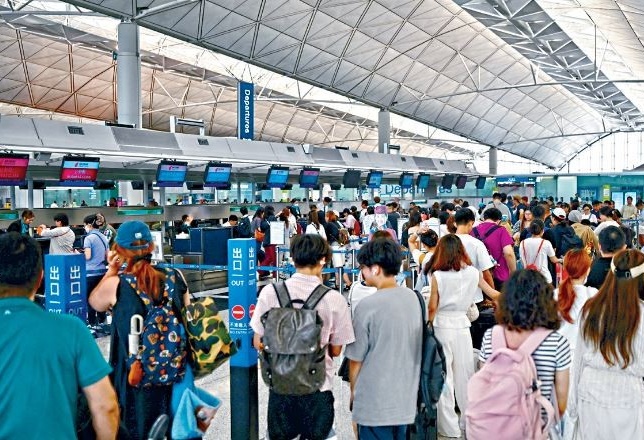
Teenager arrested at Hong Kong airport for luggage theft
02-10-2026 14:00 HKT
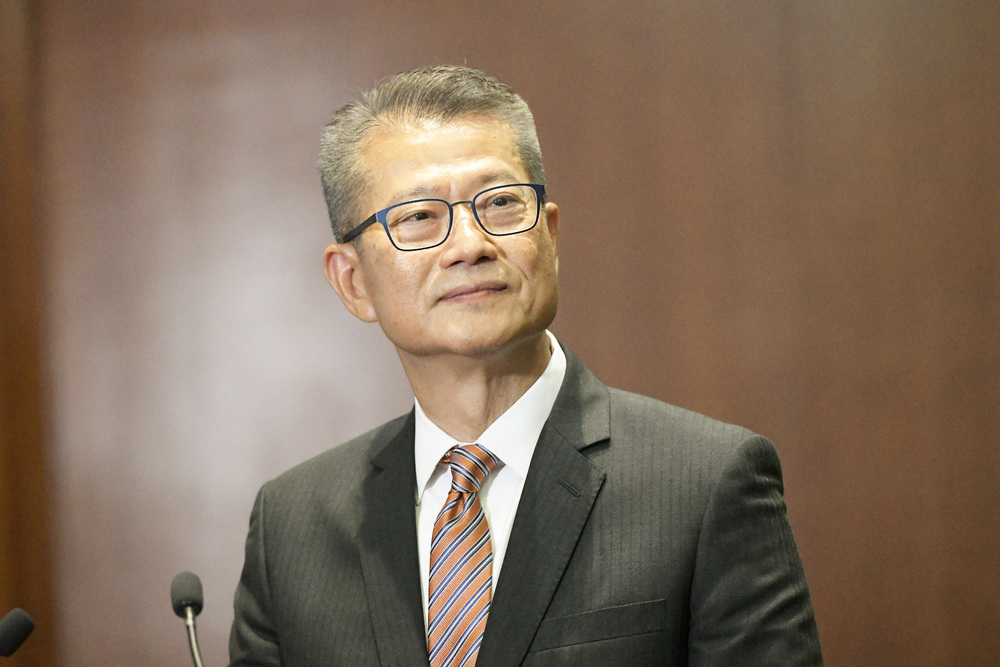
Hong Kong's gross domestic product has more than doubled from 1997 to exceed HK$2.8 trillion despite challenges the city has faced since the handover, said Financial Secretary Paul Chan Mo-po.
That would mean an average growth of 2.8 percent on average, compared to the average 1.9 percent growth in other advanced economies for the same period, Chan wrote in his blog yesterday.
He said the SAR's GDP per capita has also reached a "high level" of US$49,000 (HK$382,200).
The life expectancy for males and females in Hong Kong has also increased from 77.2 years and 83.2 years in 1997 to 81.3 years and 87.2 years respectively, reflecting a "continuous improvement in the standard of living", Chan said.
Meanwhile, the workforce is better educated than before.
He said the proportion of the working population with tertiary education has increased by 25 percentage points to 47 percent since 1997 and the city ranked fourth in the UN Human Development Index among 191 countries and regions last year, following Switzerland, Norway, and Iceland.
This suggested the SAR's advance in the level of comprehensive development and quality of life, Chan said.
He said the SAR has learned from the Asian financial crisis between 1997-1998 and the global financial tsunami in 2008 the importance to effectively manage financial risks for the sake of social stability and residents' well-being.
In a recent remark on RTHK, Chan said consumption and tourism would be the main drivers of the SAR's economic growth in the second half at a time of significant challenges for exports, expecting the number of visitors to continue to increase in the next six months - especially during the summer holidays - to benefit the retail and tourism sectors.
The financial secretary reiterated the need to support future economic development by importing labor to address a manpower shortage in the service industry.
The SAR's economy is projected to grow over four percent this year from a 3.5 percent contraction in 2022.