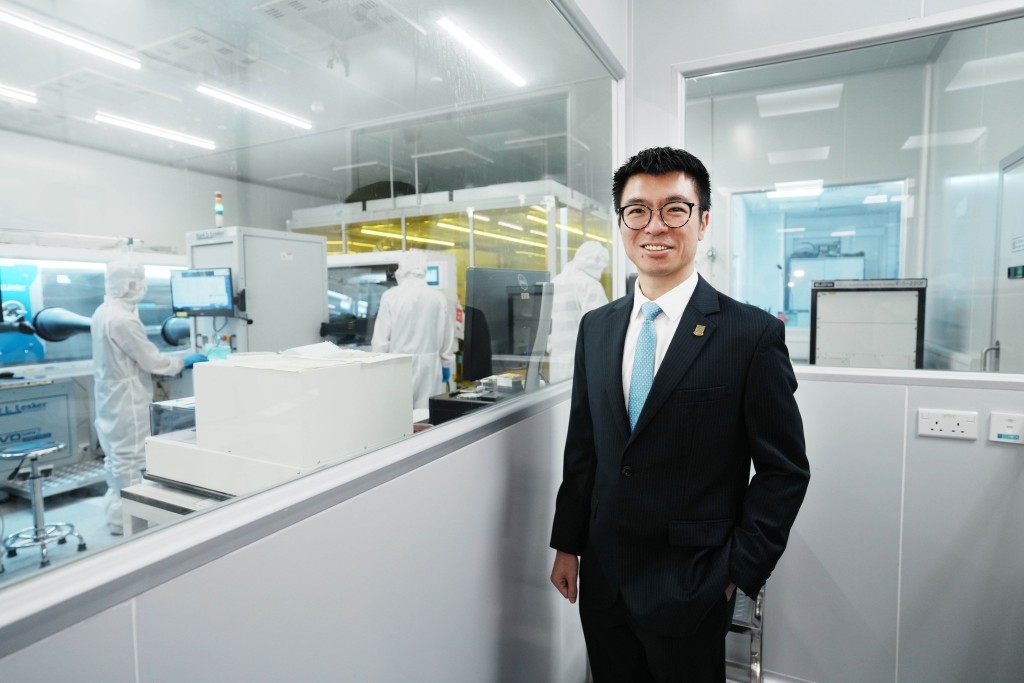
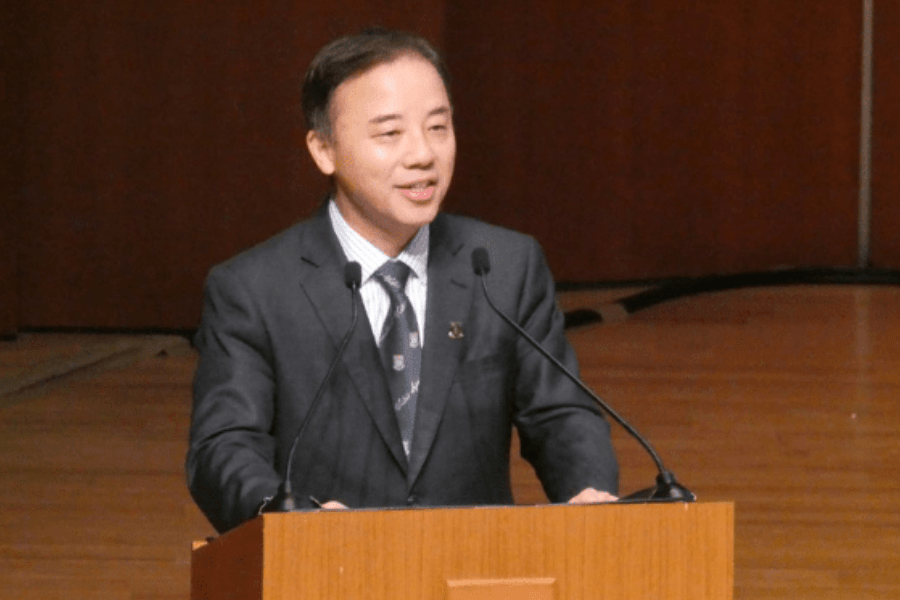
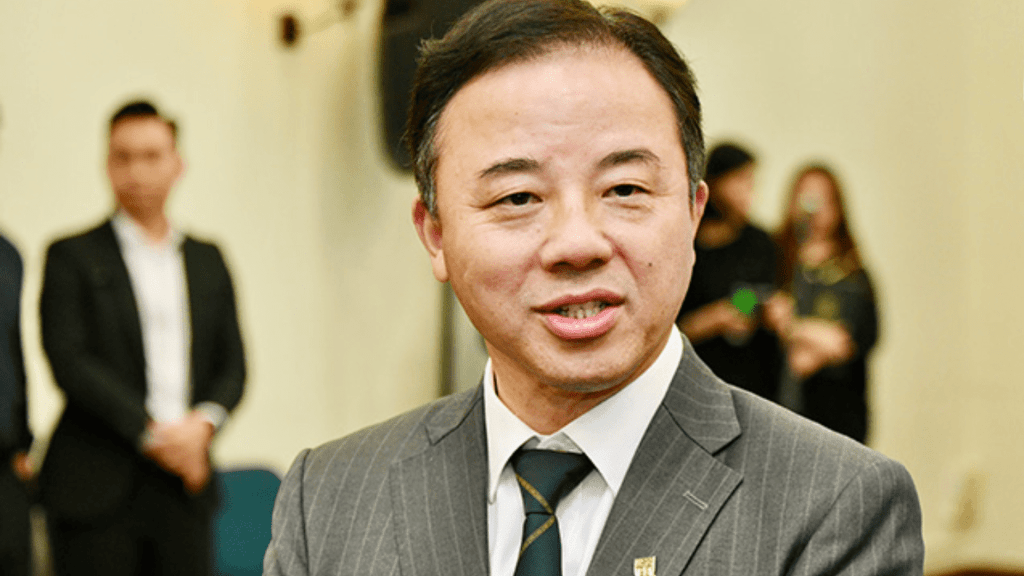
Hong Kong must strengthen industry ties to accelerate the commercialization of research outcomes and build deeper connections among talent, capital, and market partners, said Anderson Shum Ho-cheung, the newly appointed University of Hong Kong vice-president and pro-vice-chancellor (research).
Shum, who has held several key roles at HKU since 2018, including associate vice-president (research and innovation), previously served as vice-president (research) at City University of Hong Kong. He described returning to HKU as a “homecoming.”
Shum said HKU SPARC initiative is designed to connect scientists, capital, and market players.
HKU regards knowledge transfer as a core mission alongside teaching and research. The university has reorganized its strategic priorities under the “RISE” framework—Research, Innovation, Strategic Partnerships, and Entrepreneurship—aligned with the directives in the government’s policy address and plans for the Northern Metropolis University Town.
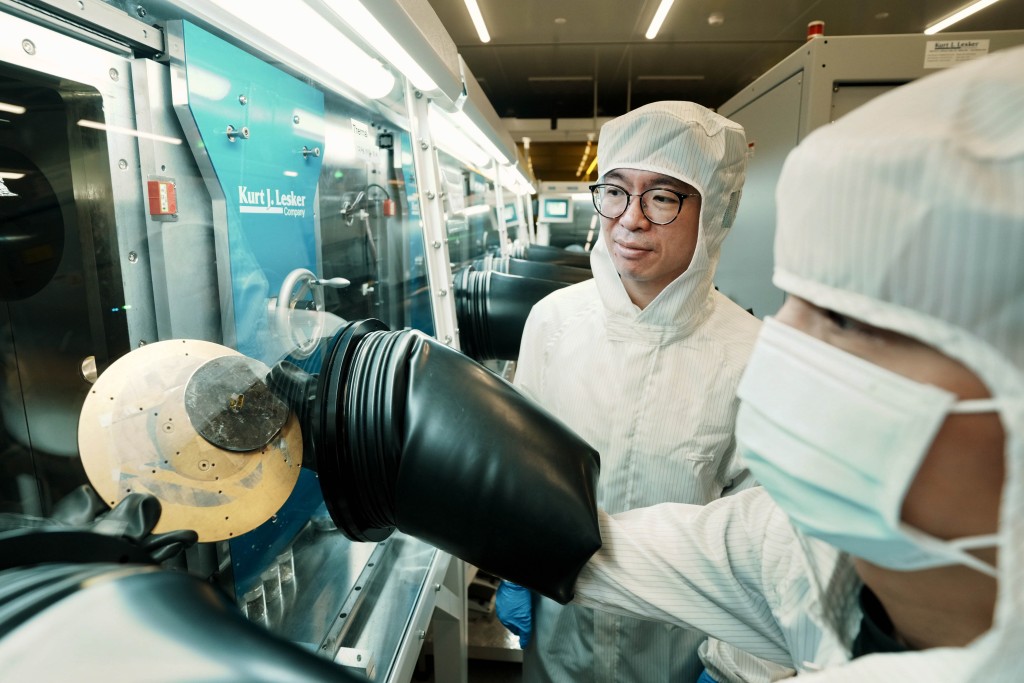
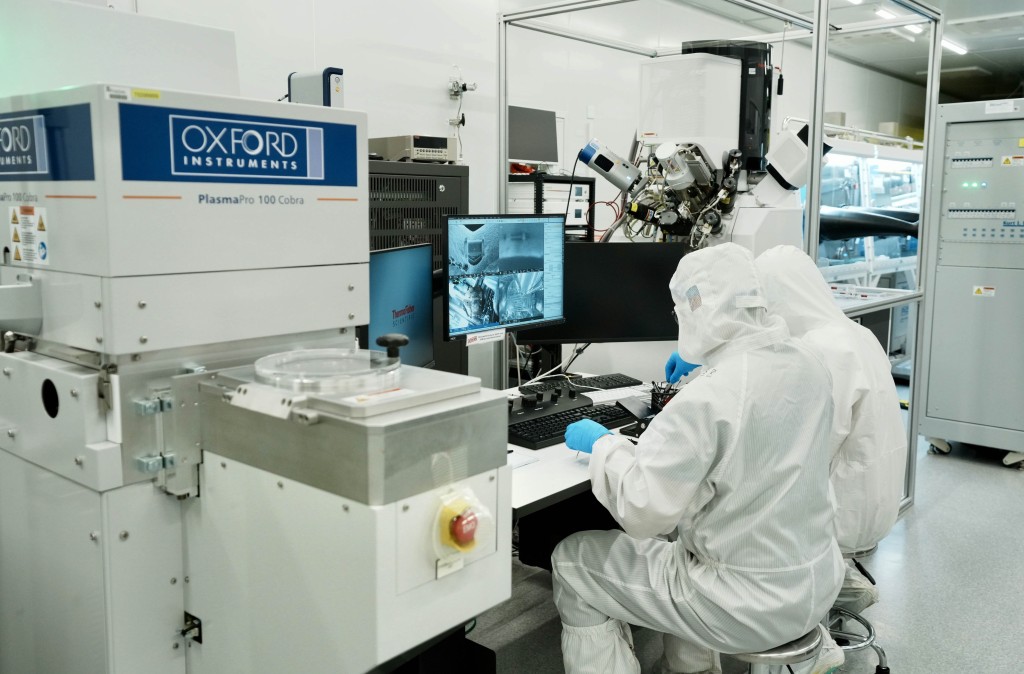
Shum said HKU will actively support the development of the university town to expand its teaching and research space. He noted that attracting businesses to the Northern Metropolis depends on their growth stage, emphasizing that companies seeking the next milestone will find the strongest synergy with the university. He added that adequate hardware, like laboratories, is essential to retaining global talent.
Shum helped organize HKU Innovation Week 2026, to be held from October 12 to 16 that bringing together over 1,000 representatives from government, industry, academia, research and investment community to take breakthroughs global. The event will feature more than 120 research projects and a range of activities, including the announcement of the completion of the first fundraising round for the HKU-DEFTA Partners joint fund, the launch of the HKU SPARC (Strategic Partnership Alliance for Research and Commercialisation) scheme, and a keynote address by renowned scientist Robert Langer of the Massachusetts Institute of Technology.
HKU regards knowledge transfer as a core mission alongside teaching and research.
Shum said the event’s primary purpose is public engagement, adding that researchers can also draw inspiration and gain fresh insights through direct interaction.
On commercialization challenges, Shum said turning research into market-ready applications requires early engagement with industry partners to navigate scaling and regulatory hurdles. He noted that the HKU SPARC initiative is designed to connect scientists, capital, and market players at an early stage, helping streamline international commercialization.
He also highlighted the importance of top talent for world-class research. He said HKU’s growing concentration of talent creates a “magnet effect,” making the university increasingly attractive to leading scholars worldwide.