Read More
Eighty percent of around 300 coronavirus patients at Queen Mary Hospital prescribed with MSD oral drug saw their conditions stabilized, Covid immunization expert Ivan Hung Fan-ngai revealed yesterday.
ADVERTISEMENT
SCROLL TO CONTINUE WITH CONTENT
Hung, who is a co-convener of the Expert Committee on Clinical Events Assessment Following Covid-19 Immunization, said the remaining 20 percent of patients showed signs of pneumonia but that the overall effect of using the MSD drug Molnupiravir was good.
The Hospital Authority has purchased two oral Covid drugs, with Molnupiravir stocks being used first, Chief Executive Carrie Lam Cheng Yuet-ngor said.
The first batch of Pfizer's oral drug, Paxlovid, arrived in Hong Kong yesterday, while other batches will arrive in the coming two to three months.
But Lam refused to disclose the amount of drugs that authorities have lined up for the anti-virus fight or their cost.
"We have procured sufficient quantities of the drugs for wide application amongst people in need," she said, while saying that she has been in direct touch with senior people of the two drug companies.
"The actual procurement was done by the Hospital Authority, but the SAR government has been facilitating and supporting the procurement," Lam said.
Hospital Authority chief executive Tony Ko Pat-sing noted that the MSD drug had been prescribed to some Covid-19 patients in hospital.
Pfizer's oral drug would also soon be administered to patients in hospitals, government's designated clinics as well as homes for the elderly, he added.
"We are also aware that some private medical institutions and hospitals are considering taking care of Covid-19 patients with mild symptoms at their outpatient clinics, so we are now negotiating with them on how they could use these oral drugs," he said.
Government adviser David Hui Shu-cheong said the Hospital Authority had by yesterday dispensed 1,600 oral drug treatments at homes for the elderly and outpatients, and designated clinics and outreach teams could also prescribe the drugs to people as soon as possible.
"As to when we can see a decrease in the death rate," he went on, "I believe that administering these oral drugs widely to appropriate and high-risk groups will definitely help.
"Apart from prescribing oral drugs we also have to boost the vaccination rate as soon as possible as many elderly have yet to complete their inoculations."
He said both oral drugs can inhibit virus reproduction and should be administered to Covid-19 patients with mild symptoms as early as possible to optimize their effectiveness. That would preferably be within the first five days of a person showing Covid symptoms.
Hui also said that according to studies by their makers that Pfizer's oral drug could reduce the hospitalization and death rates by close to 90 percent, while the MSD drug could cut the risk of hospitalization by 30 percent.
But both drugs have their limitations, Hui cautioned, and patients who have suffered liver or kidney failures or poor kidney function should not use the oral drug from Pfizer.
Common side effects of Pfizer's oral drug are diarrhea, slightly elevated blood pressure and muscle pain.
He said the Pfizer drug is safe for youngsters aged 12 years old or more as well as those who are not fully vaccinated - two doses for BioNtech or three of Sinovac - and also chronically-ill people aged 70 years or above.
The MSD oral drug is not suitable for pregnant women and breastfeeding mothers, Hui said, as the compound used in the drug will affect the fetus as well as the growth of bones and cartilage.
"Therefore, the [MSD drug] is only applicable for people aged 18 or above," he said. "It is not suitable for those aged 18 or less," adding that its common side effects are diarrhea, a mild headache, rashes and nausea.
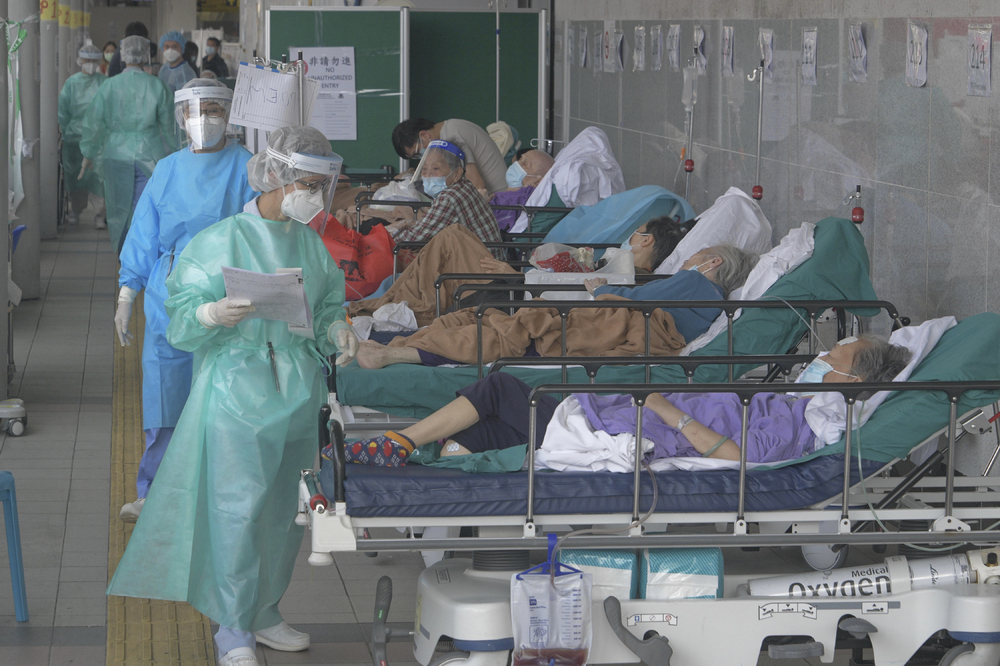
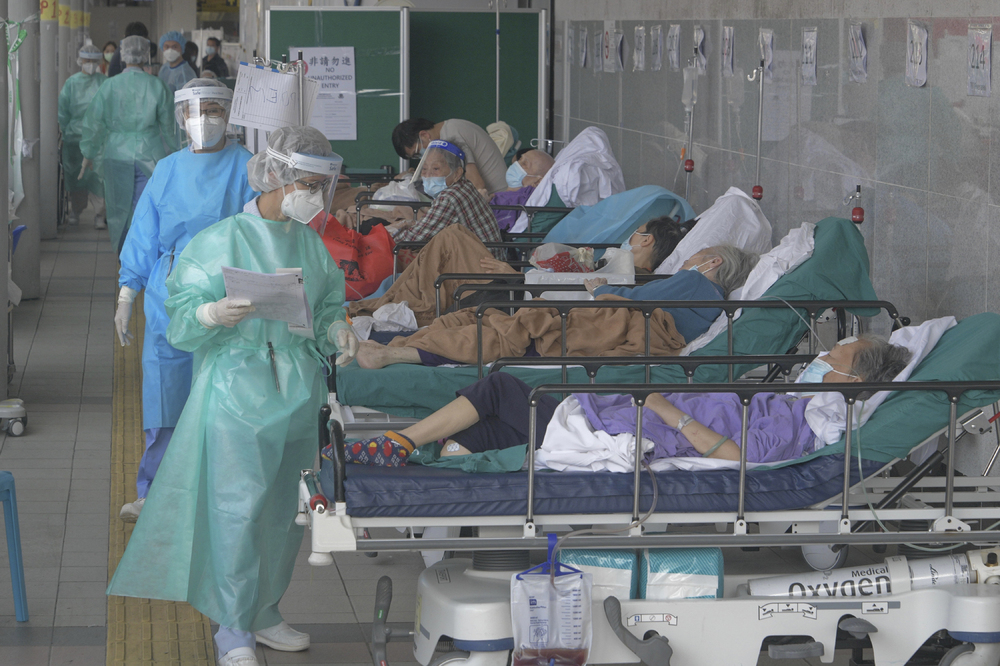
The Hospital Authority said MSD's Molnupiravir oral drug is already being used in Hong Kong, while the first batch of Pfizer's Paxlovid arrived yesterday. Pictured, patients in Caritas Medical Centre. Sing Tao.
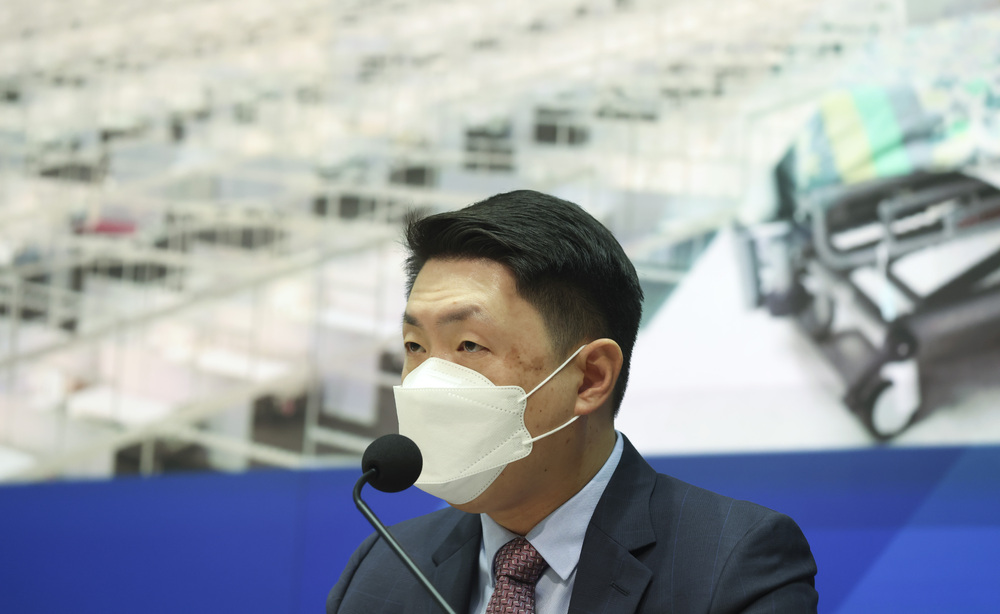
Ivan Hung