Read More





Night Recap - October 9, 2026
19 hours ago

Thailand plans entry and exit fees totalling $338 for air travellers
09-10-2026 03:37 HKT
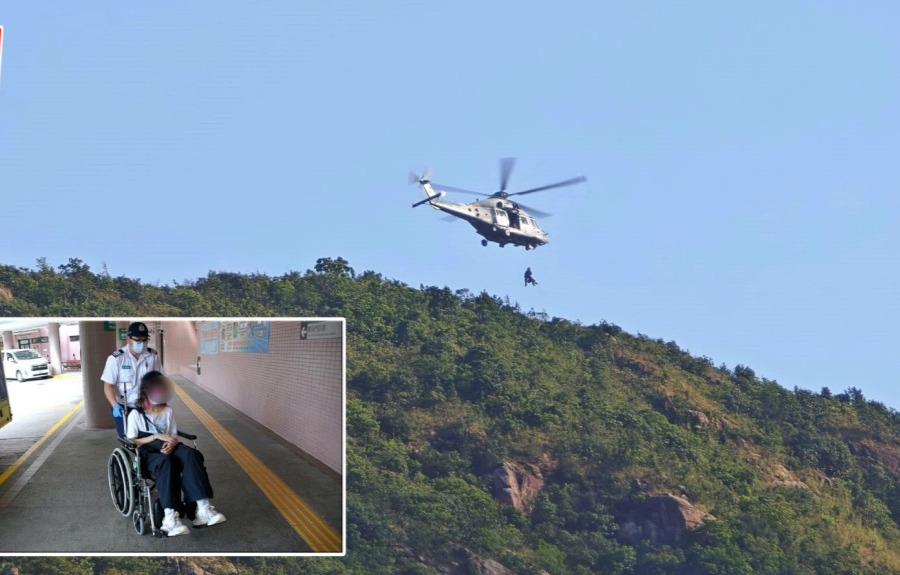
Woman found dead in tent at Sai Kung campsite
09-10-2026 03:51 HKT


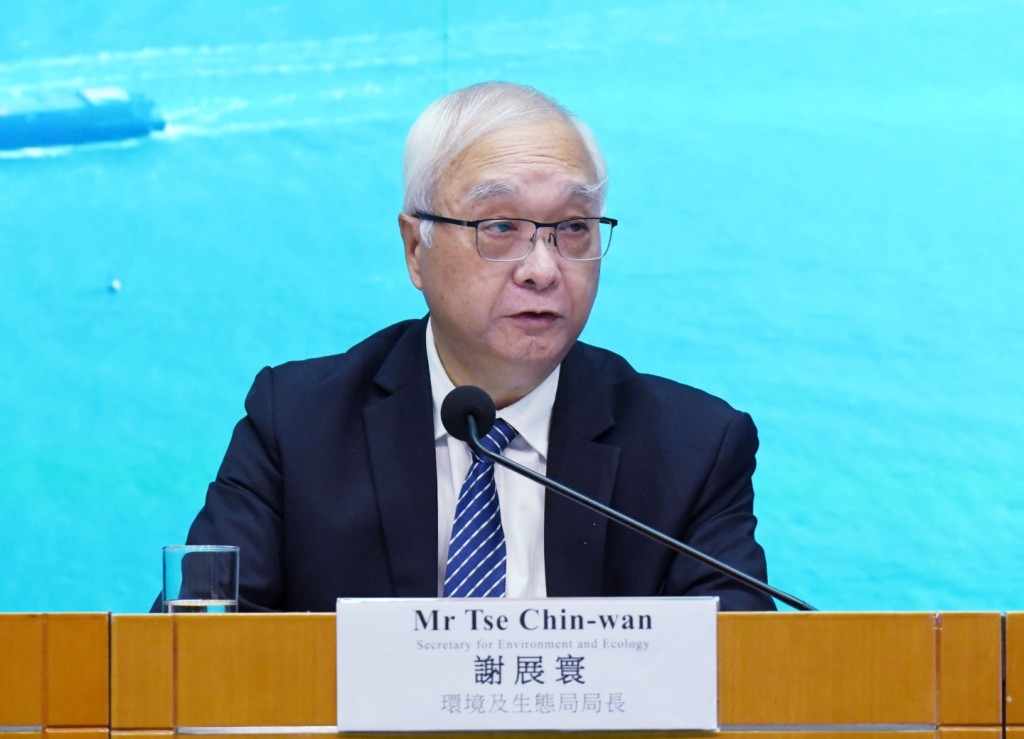
Hong Kong will conduct a thorough review of its electricity market ahead of the expiration of regulatory agreements with the city’s two power suppliers in 2033, aiming to guarantee greater supply stability and competitive pricing for emerging digital infrastructure.
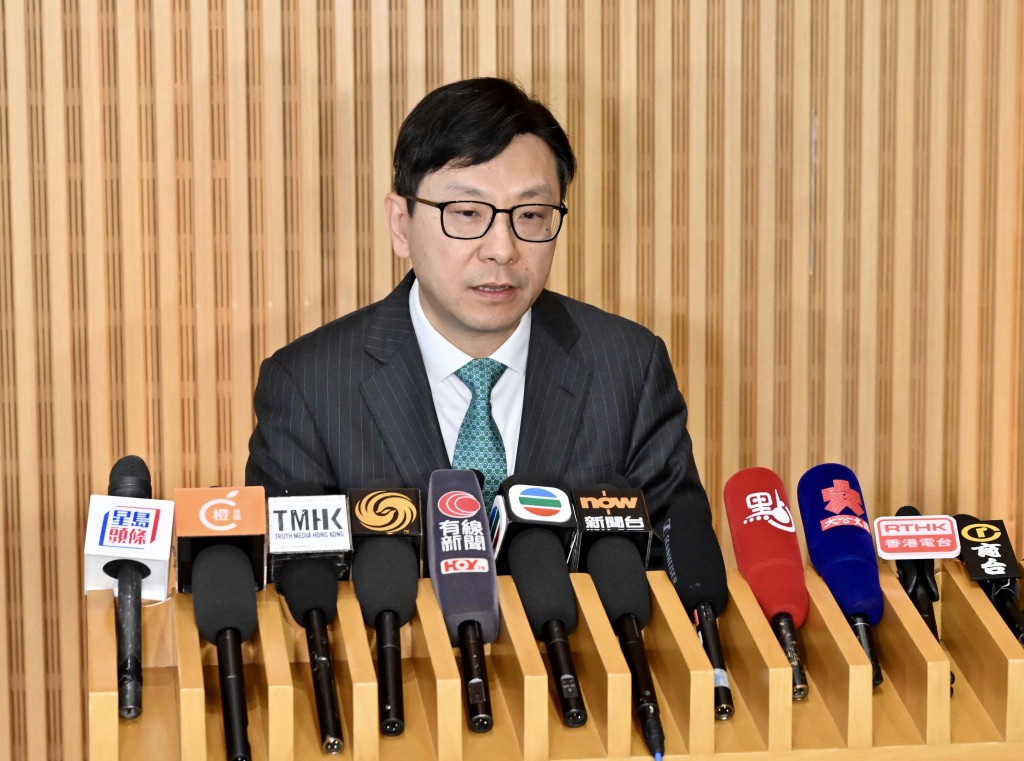
Speaking on a radio program, Secretary for Environment and Ecology Tse Chin-wan outlined the government's plans to re-examine the current Scheme of Control Agreements with CLP Power and HK Electric.
Tse emphasized that the post-2033 electricity landscape must evolve to meet surging demand from high-energy industries such as data centers and advanced computing facilities, stressing that authorities will carry out a cautious and comprehensive assessment.
Tse projected that zero-carbon sources, which currently account for a quarter of the city’s energy mix, will rise to 30 percent by 2030, expressing strong confidence that the proportion will reach between 60 and 70 percent by 2035.
While noting that the territory enjoys secure fuel supplies with the backing of mainland China, he acknowledged that fuel price swings during global energy shocks remain a major risk to economic stability.
To hedge against external volatility, the government plans to boost the share of zero-carbon sources such as nuclear and offshore wind, which are insulated from global fossil fuel crises.
Tse pointed out that renewable energy technology costs have dropped substantially over the past decade, which will help lower local tariffs in the long run.
As part of the infrastructure expansion, the government is preparing to reclaim land in Area 132 of Tseung Kwan O to construct a major power receiving facility connected to a new cross-border transmission cable.
Tse confirmed that funding requests have been submitted to the Legislative Council in preparation for construction.
In addition, an inter-departmental working task force has begun preliminary talks with regional suppliers and state-backed enterprises to secure affordable, low-carbon electricity contracts.
Turning to local environmental initiatives, Tse addressed the government’s ongoing waste-reduction efforts, explaining that authorities had previously considered a mandatory municipal waste charging scheme after years of rising refuse volumes.
Following notable public pushback, officials pivoted to expanding the community-based Green@Community recycling network instead.
Tse remarked that extensive public debate over waste charging had nonetheless raised environmental awareness across the city.
Authorities are now focusing on convenience by installing round-the-clock smart collection bins and automated recycling machines across residential districts. The government’s official Green@Community mobile application has already amassed more than 1.2 million registered users.
Tse also highlighted binding environmental targets outlined in the city’s inaugural five-year blueprint, noting that Hong Kong ranks among the top performers nationwide for urban air quality.
With average fine particulate matter (PM2.5) concentrations hovering around 15 micrograms per cubic meter, the city’s air quality sits within the upper-middle bracket compared to European urban centers.
He affirmed that these statutory benchmarks in green transformation and clean energy will lay a firm foundation for sustainable urban development.
On animal welfare, Tse added that the bureau is stepping up measures to regulate stray and potentially dangerous dogs.
While annual stray dog captures have dropped from tens of thousands in previous decades to several hundred today, he stressed that management efforts must be further strengthened.