Read More
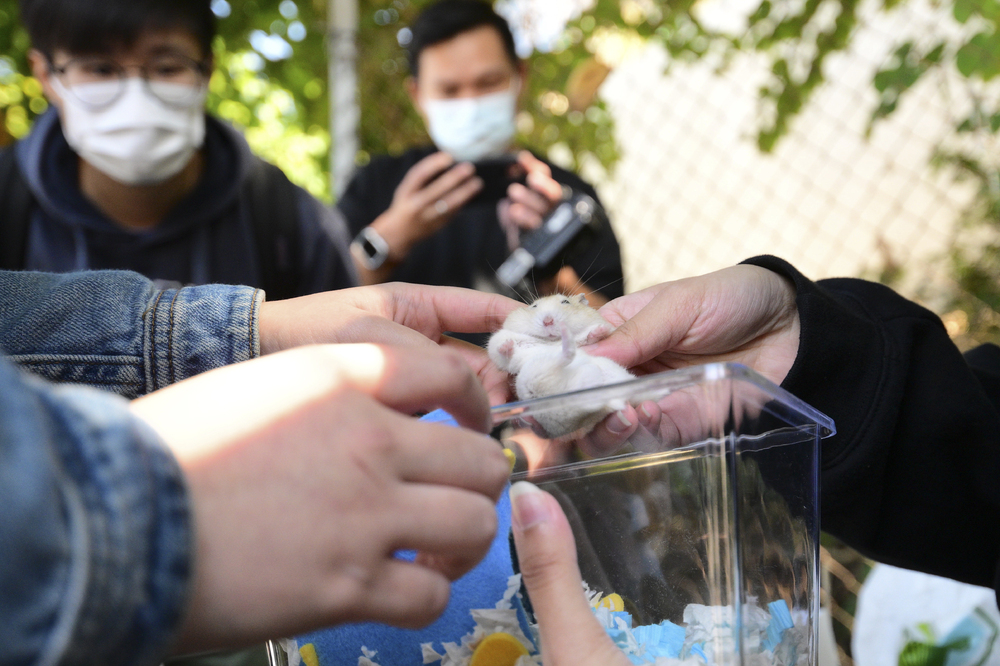
Animal lovers went to the Agriculture, Fisheries and Conservation Department's offices in Sha Tin yesterday to stop people from handing in their hamsters.
ADVERTISEMENT
SCROLL TO CONTINUE WITH CONTENT
Around 10 of them offered to adopt the pets instead - a day after 60 hamsters were sent to the AFCD.
It followed an appeal to those who bought the tiny animals on December 22 onward to turn them over so they could be tested and put down due to the Delta outbreak at the Little Boss pet shop in Causeway Bay that involved at least three patients.
A man, Jacky, was one of those who gave up his hamster to an animal volunteer. He said he bought the hamster in a pet shop in Mong Kok.
"I underwent a Covid test [on Wednesday] and the result was negative. But I still wanted to be a responsible [person] by handing in the hamster," he said.
"I can understand the volunteers' motivation. I actually wanted to hand in my hamster to the government but the volunteers took it away."
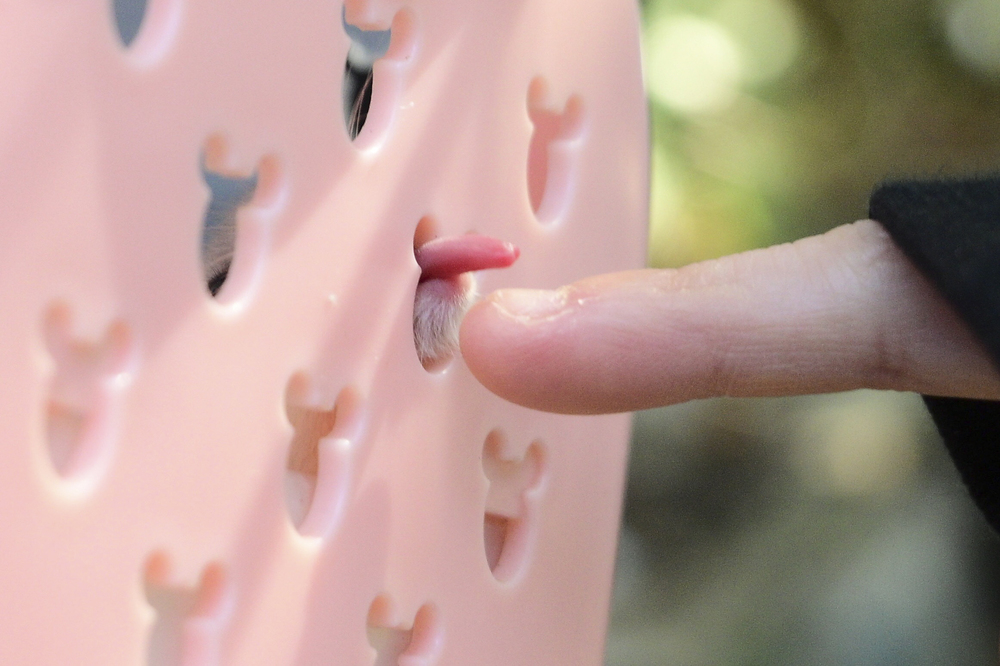
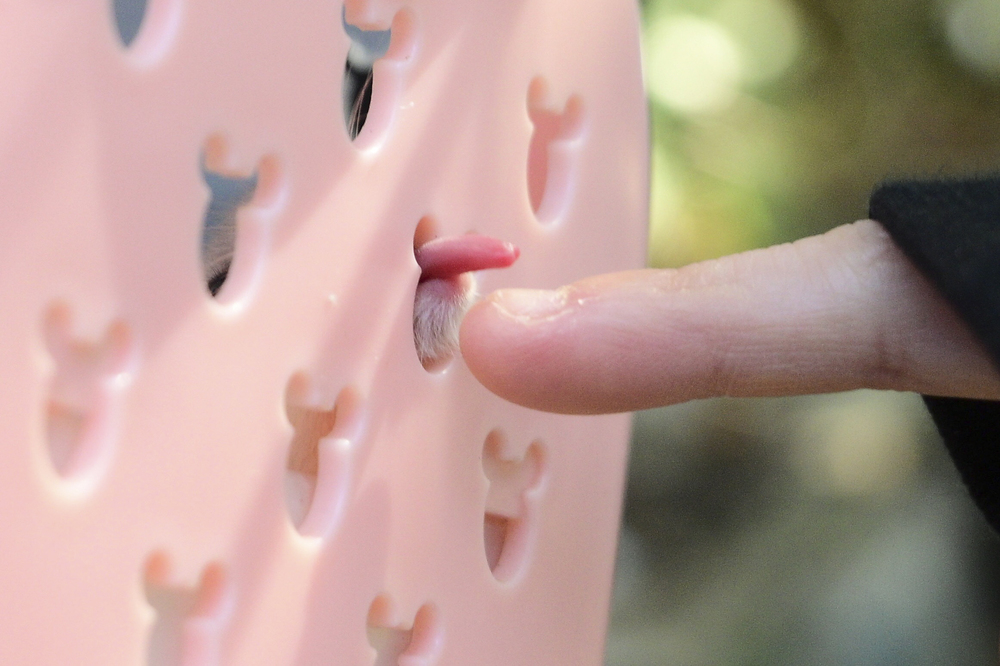
At least 15 hamsters were taken away by the volunteers in the morning. They will be sent to veterinarians for examination and then offered for adoption.
One of the volunteers said some people were in tears when they thanked them for helping their pets get adopted. But some refused to give the hamsters to them and warned they would call police.
Meanwhile, experts Yuen Kwok-yung and David Hui Shu-cheong received threatening e-mails after supporting the cull.
The intimidation was "strongly condemned" by the government, which said it will show no tolerance if anyone attempts to influence experts by illegal means.
The AFCD said a total of 1,213 small animals were put down on Wednesday.
Those culled included 1,116 animals in Little Boss's Tai Po storehouse and 97 in its Causeway Bay shop. The department said it will also put down hamsters at 35 pet shops across the city within the week.
Leo Poon Lit-man, head of the University of Hong Kong's division of public health laboratory sciences, said he believes the first patient in the pet shop cluster - a 23-year-old saleswoman - contracted the virus from hamsters. That is because the genetic sequence of the virus carried by the saleswoman and an infected hamster at the shop was similar.
"The similar sequencing is strong evidence that their cases are related. There was no Delta variant in the community, while the imported hamsters carried the variant, so the transmission is obvious," Poon said. He said the situation is similar to the H5N1 avian flu outbreak in 1997 when the virus easily spread in an environment with a dense population of poultry.
Yuen said culling hamsters was the only choice because silent transmission chains already appeared among the animals in the pet shop. He expressed sympathy to those who lost pets but said if everyone - especially the elderly - had been vaccinated, the culling could have been avoided.
Yuen also said the virus at the pet shop was close to the one spreading in the Czech Republic last month, but with a new "D427G" mutation, indicating it may be a new variant. "We don't know its transmissibility and severity and it may lead to a disaster if we fail to stop it from spreading as soon as possible," Yuen said.
wallis.wang@singtaonewscorp.com
It was easier for some owners to say goodbye to their pets knowing they could be adopted, volunteers said.SING TAO