Read More


HKJC backs 11-strong equestrian squad for 20th Asian Games
11-09-2026 20:44 HKT


Night Recap - September 11, 2026
11-09-2026 20:23 HKT


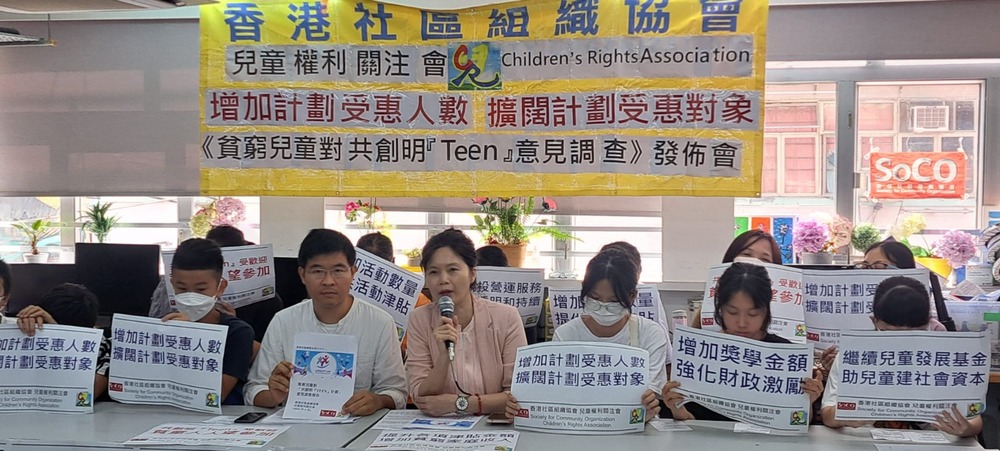
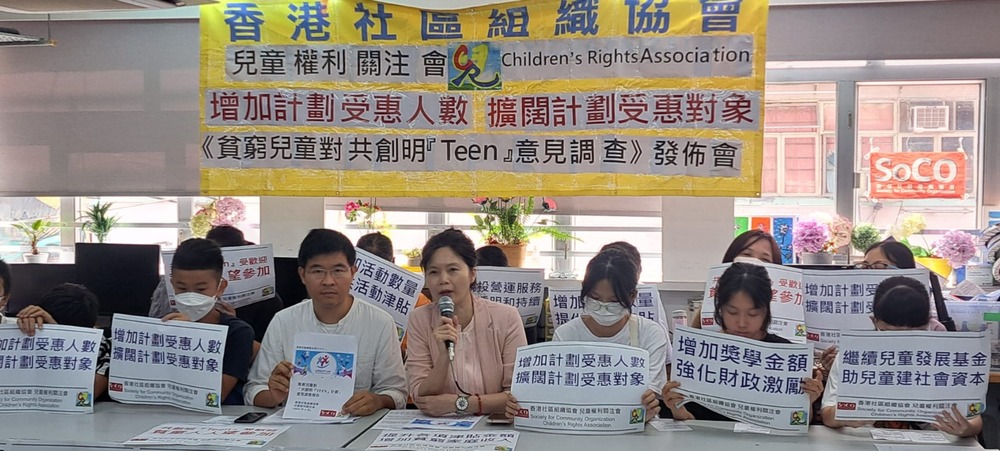
Underprivileged children are all eager to join the government’s Strive and Rise Program, but coverage is yet to be sufficient with mentors and mentees rarely getting in touch, the Society for Community Organization found in a survey.
The program is a tripartite collaboration between the government, the business sector and the community to help underprivileged children strive for upward mobility.
The society surveyed more than 300 grassroots children in the past two months and found nearly 80 percent of them wish they could join.
“More than 80 percent of respondents hope to widen their horizons through the program, which showed they do not have enough opportunities to broaden their knowledge,” it said.
“The children also have great motivation to learn, which is a key factor for poverty alleviation and success, and the authorities must seize the opportunity.”
Over 70 percent are eager to meet people from different socioeconomic levels through the program, which suggested the government should find mentors from various classes.
Although less than 10 percent joined the program, most program participants hold positive views.
But there is still room for improvement. For example, authorities could learn about children’s expectations for their mentors before assigning them one so that they can build a relationship more easily.
Children also want to enhance English abilities and participate in activities at the Science Park, Cyberport, Observatory and disciplined forces.
More than 60 percent also think time with their mentors was too short as they only got to see them once a month on average.
“The frequency of the meeting is as important as its quality to guide children’s growth and development.
Authorities should consider increasing meeting frequencies and times and promoting online interaction between mentors and children via WhatsApp or WeChat,” it said, adding 40 percent of respondents also thought the program’s HK$10,000 financial support is not enough.
Currently, the program only receives 2,800 secondary one to three students every year.
The society urged the quota be raised to 20,000 and cover both primary and secondary students, the frequency of program activities and mentor-student meetings be increased to every two weeks, as well as increasing the financial subsidy to HK$20,000.