Read More






Night Recap - October 8, 2026
5 hours ago





Typhoon season winds down as HK faces low October risk
07-10-2026 17:02 HKT
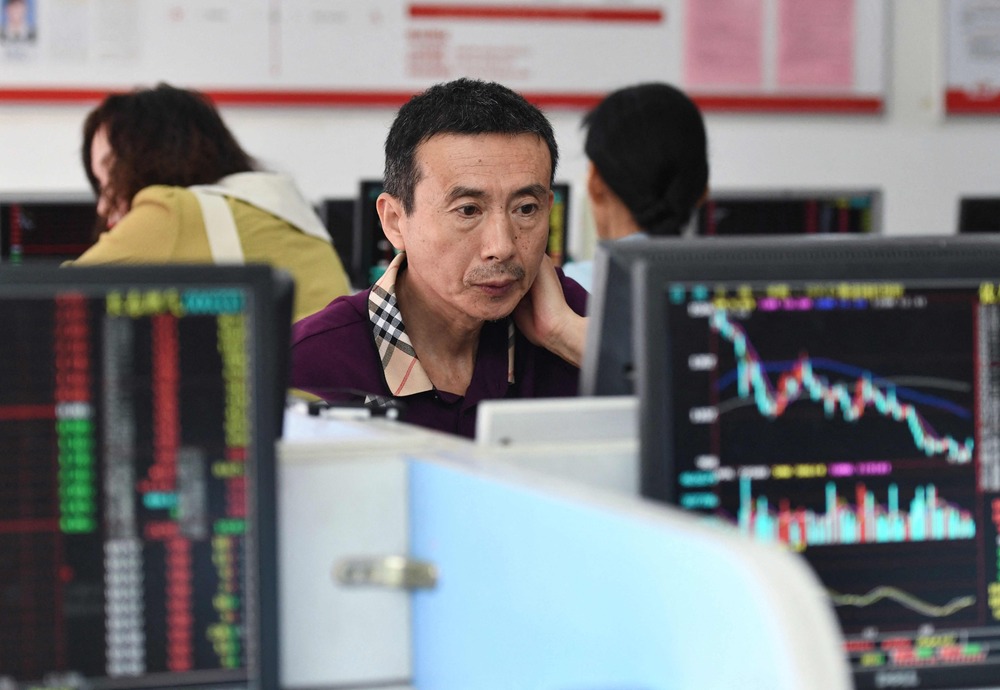
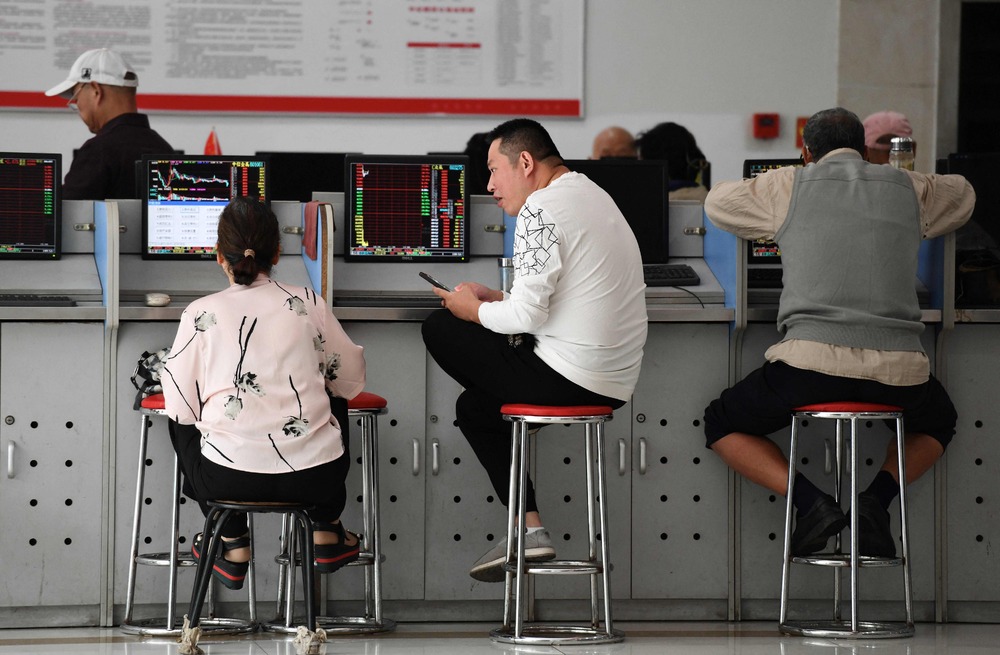
Asian shares surged yesterday following China's reduction of stamp duty on securities transactions in a move meant to bolster its struggling markets, but gains moderated due to caution in light of the weak economy.
The blue-chip CSI 300 saw its growth narrow from 5.5 percent to 1.2 percent, and turnovers of the Shanghai and Shenzhen stock markets surpassed 1 trillion yuan (HK$1.08 trillion).
Stocks in Japan closed with a gain of 1.73 percent, while in Korea they ended with a 0.96 percent increase.
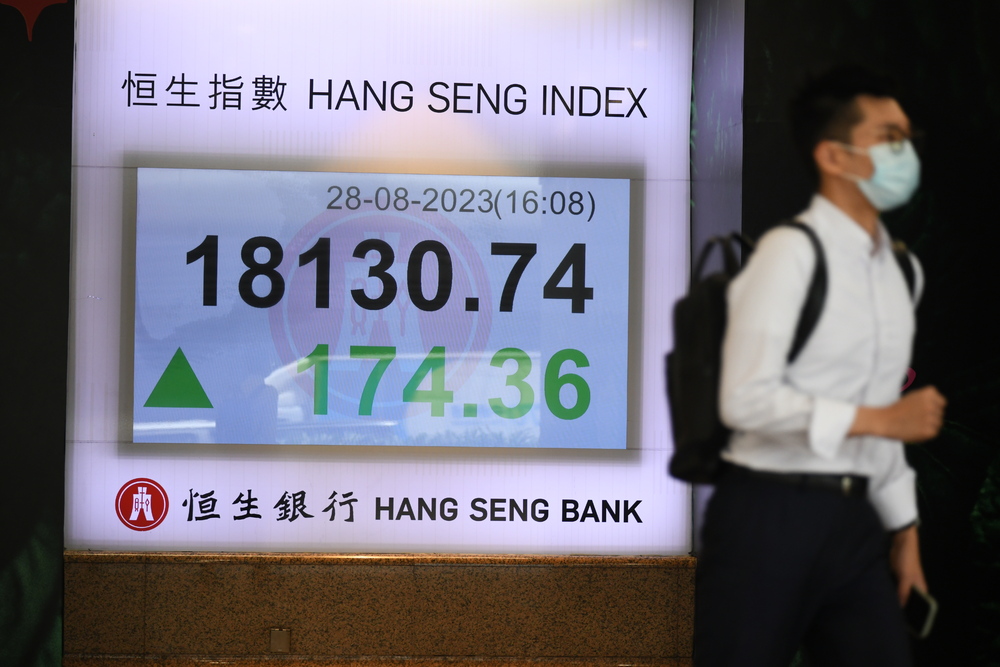
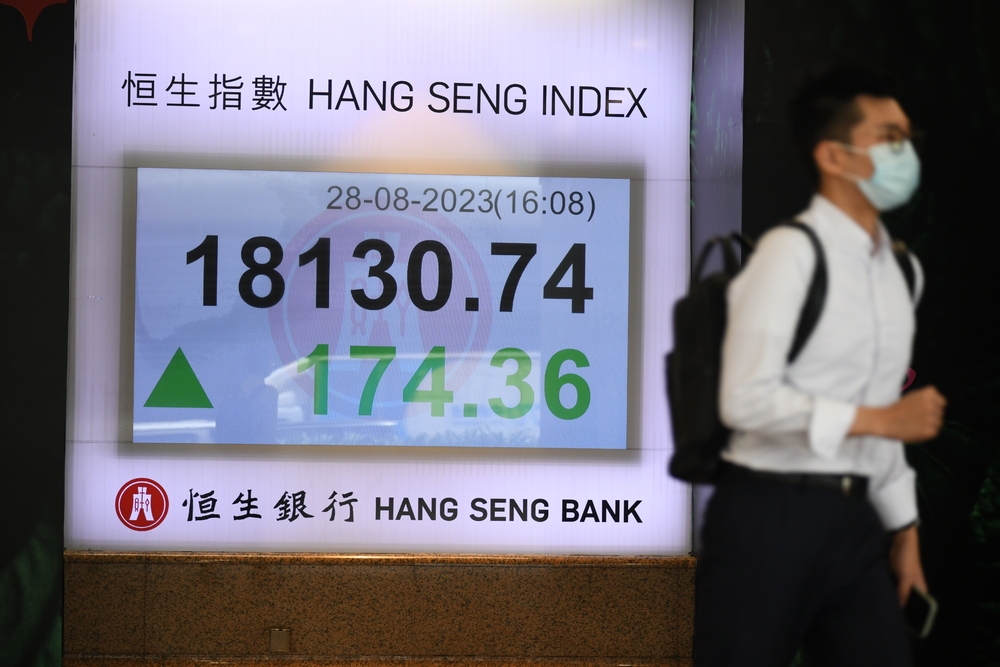
The Hang Seng Index also experienced a fall off on the day, narrowing from 3.1 percent to 0.97 percent with a turnover of only HK$101 billion.
Hong Kong Exchanges and Clearing (0388) opened seven percent higher, propelled by Chief Executive John Lee Ka-chiu's commitment to enhancing liquidity in the stock market.
HKEX concluded the trading session at HK$297.2, marking an increase of 3.3 percent compared to the previous trading day. This performance made it the best-performing blue-chip stock.
Robert Lee Wai-wang, chairman of the Hong Kong Securities Association and the Legislative Council member for financial services, proposed the administration consider eliminating stamp duty within a period of six to 12 months. Then it could implement stable tax rates for the medium to long term.
He said transaction costs between Hong Kong and the mainland have widened further, and this impacted the capital inflow into Hong Kong stocks.
Additionally, Chinese brokerage stocks saw a widespread opening surge as CITIC Securities (6030) rose by 8.7 percent, and CICC (3908) by 9 percent. However, they later retreated and incurred losses of 1.24 percent and 1.42 percent respectively. The Hang Seng Tech Index surged by 5.2 percent in the morning, but its closing gain narrowed to 1.69 percent.
Tencent (0700) rose by 1.6 percent, reaching HK$325.2, with the highest trading volume at HK$6.36 billion.
Some analysts see the reduction in stamp duty benefits of over a hundred billion yuan annually. But for the stock market to sustain its upward trajectory follow-up policies are needed.
Nomura chief economist Lu Ting said the reduction in stamp duty could boost investor confidence and lower trading costs to some extent, though for the stock market to maintain its positive trend it would be necessary to introduce more policies and reform measures that benefit the real economy.
Yingda Securities' chief economist, Li Daxiao, foresees more capital market stimulation policies ahead, likely leading to a market valuation turnaround in the long term.
On the other hand, Florian Ielpo, macro head of Lombard Odier Investment Managers, said: "If everything was rosy there would be no need for a stimulus."
Recent Chinese measures strategically boost market sentiment as needed, he added, differing from previous large packages.
The attention shifts to Thursday's release of the official Purchasing Managers' Index for August, which is anticipated to reveal contraction in activity.
Meanwhile, the onshore yuan fell to a new one-week low of 7.1895 to the US dollar.