Hong Kong’s mega-event strategy helped drive visitor arrivals to 45.8 million in the first 10 months of the year, up 12 percent year on year, with total inbound tourism expenditure projected to reach HK$238.1 billion for the full year, Secretary for Culture, Sports and Tourism Rosanna Law Shuk-pui said.
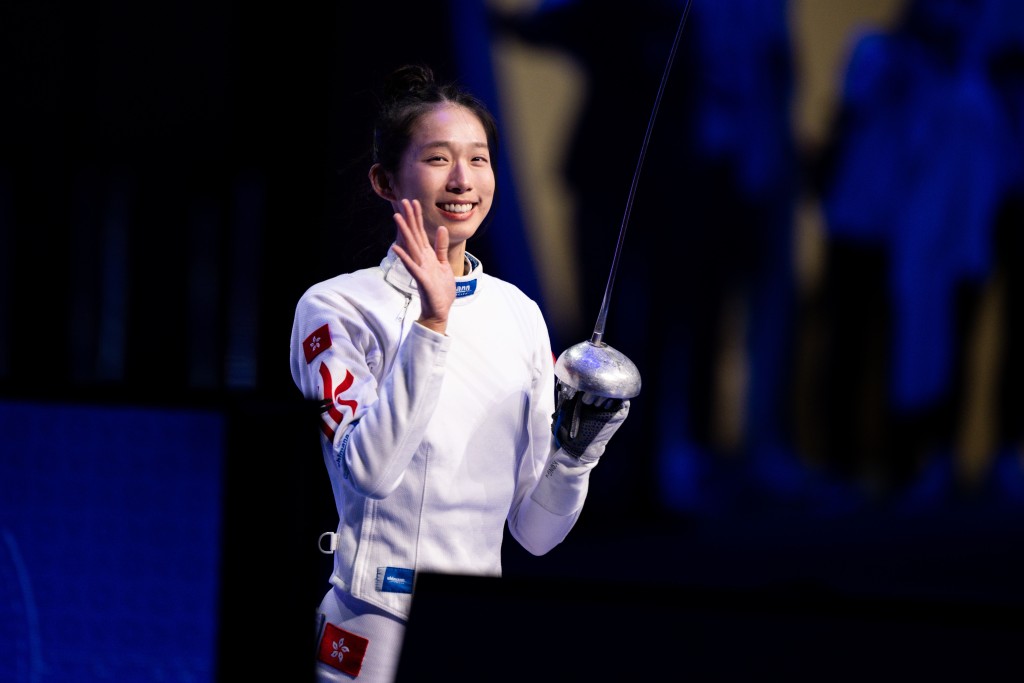
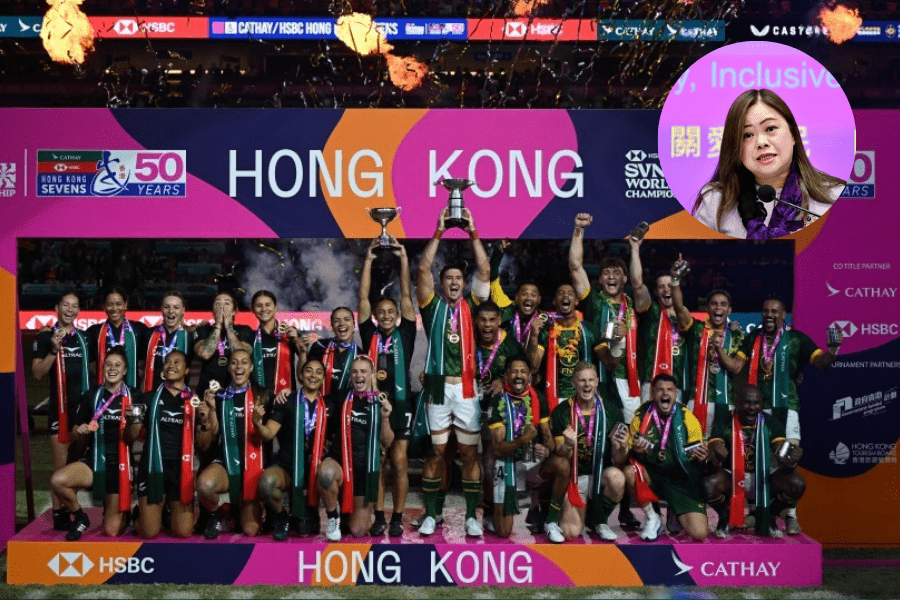
The figures came as athlete-turned-lawmaker Vivian Kong Man-wai raised her first verbal question in the Legislative Council on Wednesday, asking about the economic benefits of Hong Kong’s mega events.
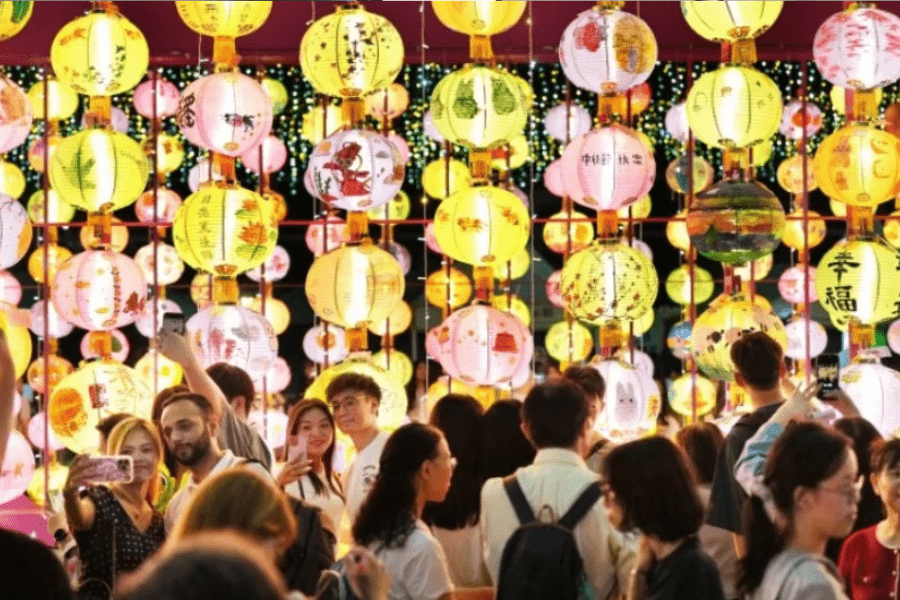
Kong sought details on the proportion of tourists among attendees, event expenditure and the impact on hotel occupancy, restaurant business and local consumption at major events such as the Mid-Autumn Lantern Carnival, Tai Hang Fire Dragon Dance and Hong Kong Wine & Dine Festival.
In response, Law said mega events not only attracted crowds but also stimulated spending, noting that inbound tourism expenditure rose 11 percent year on year to HK$111 billion in the first half of the year.
The Tai Hang Fire Dragon Dance, which received HK$2.7 million in funding from the Hong Kong Tourism Board, drew more than 100,000 visits, including about 40,000 from tourists, split evenly between overseas and mainland visitors. Some restaurants in the neighborhood reported their highest turnover of the year.
The 21-day International Lantern Spectacular recorded about 730,000 visits, including more than 80,000 from tourists, of whom around 60 percent were from the mainland and the remainder from overseas. The event cost about HK$25 million.
The Hong Kong Wine & Dine Festival also performed strongly, attracting more than 171,000 visits, including over 27,000 from tourists, while event turnover rose by around 8 percent year on year.
While the festival’s final accounts have yet to be finalized, expenditure is expected to be comparable to last year’s, at about HK$60 million.
Highlighting the continuous lineup of mega events across the city, Law said overnight visitor arrivals rose 6 percent year on year to 3.72 million in September and October, with visitors staying an average of 3.1 nights.
Per capita spending among overnight visitors reached around HK$5,400 in the third quarter of 2026, up more than 1 percent year on year. Fourth-quarter figures are expected to be released by the end of February next year.
Meanwhile, Law said the Tourism Board was stepping up promotional efforts in Southeast Asia, the Middle East, Russia and India while developing markets in the Netherlands, Italy and Spain.
The board has also grouped the year’s mega events under three seasonal themes — the International Arts Season, Chinese Arts Season and Festive Mega Events Season — to offer visitors a wider range of tourism experiences.
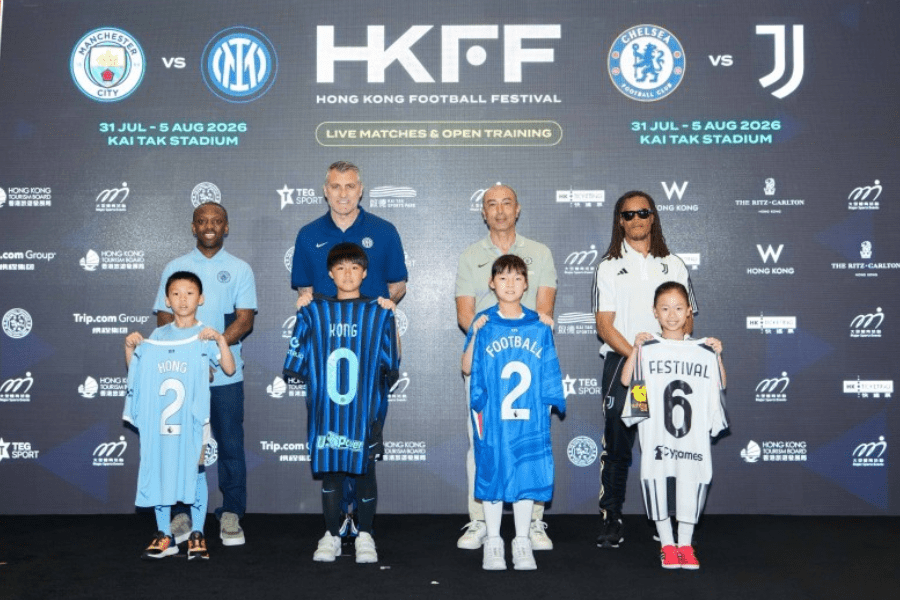
Kai Tak Sports Park has also collaborated with merchants in the precinct to introduce ticket-stub offers and extend business hours during major events.
Law said average turnover at Kai Tak Mall was estimated to have risen by about 40 percent year on year in October, reflecting how increased foot traffic from mega events translated into business gains.
To assess the effectiveness of these initiatives, the Tourism Board conducts a year-round Departing Visitor Survey to gauge visitor satisfaction, intention to revisit, length of stay and spending patterns, alongside on-site surveys at events it organizes.
Addressing concerns over difficulties in securing tickets to popular events, Law acknowledged the challenges faced by smaller travel agencies, noting that the Travel Industry Council could help them negotiate package deals with event organizers.
Asked whether traditional celebrations such as Jiao festivals could be further promoted, Law said the Tourism Board would focus on established cultural events such as the Tai Hang Fire Dragon Dance and Cheung Chau Bun Festival.
Unlike annual celebrations, which are easier to market, some traditional Jiao festivals take place only once every five or 10 years, requiring a more carefully tailored promotional approach, she said.
On potential collaborations with international artists to promote local culture, Law highlighted Canadian singer The Weeknd’s song “Hong Kong,” which samples Faye Wong’s classic “Monsoon,” and K-pop group BIGBANG’s impromptu incorporation of references to Hong Kong food into concert lyrics. Both generated considerable attention online.
She added that she had suggested event organizers present visiting artists with souvenirs showcasing Hong Kong’s intangible cultural heritage and distinctive local character to help promote the city’s cultural identity.