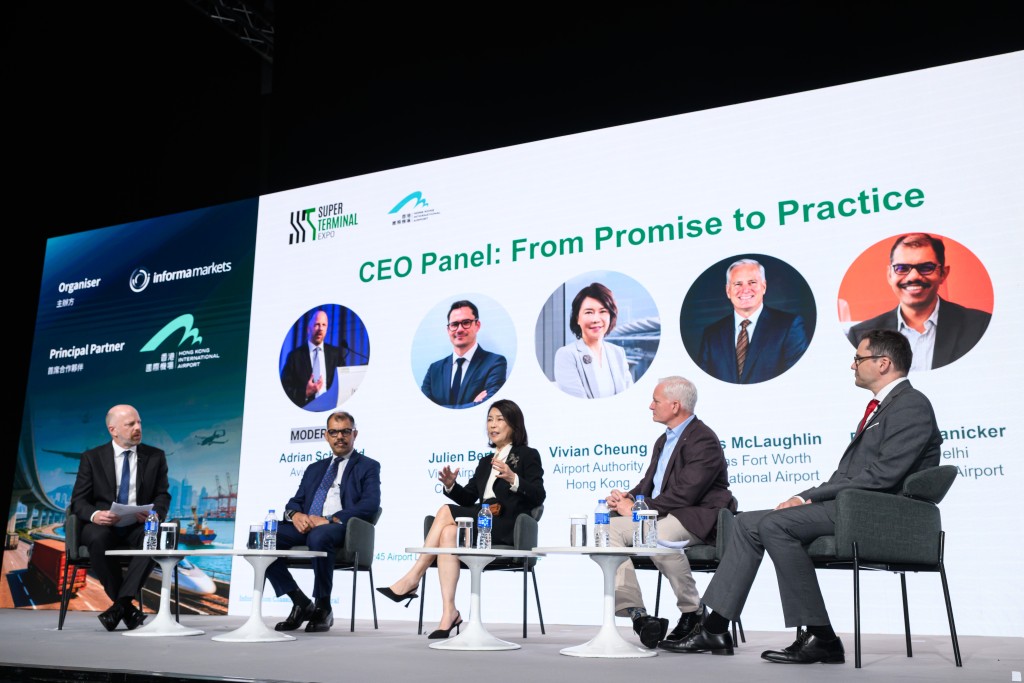
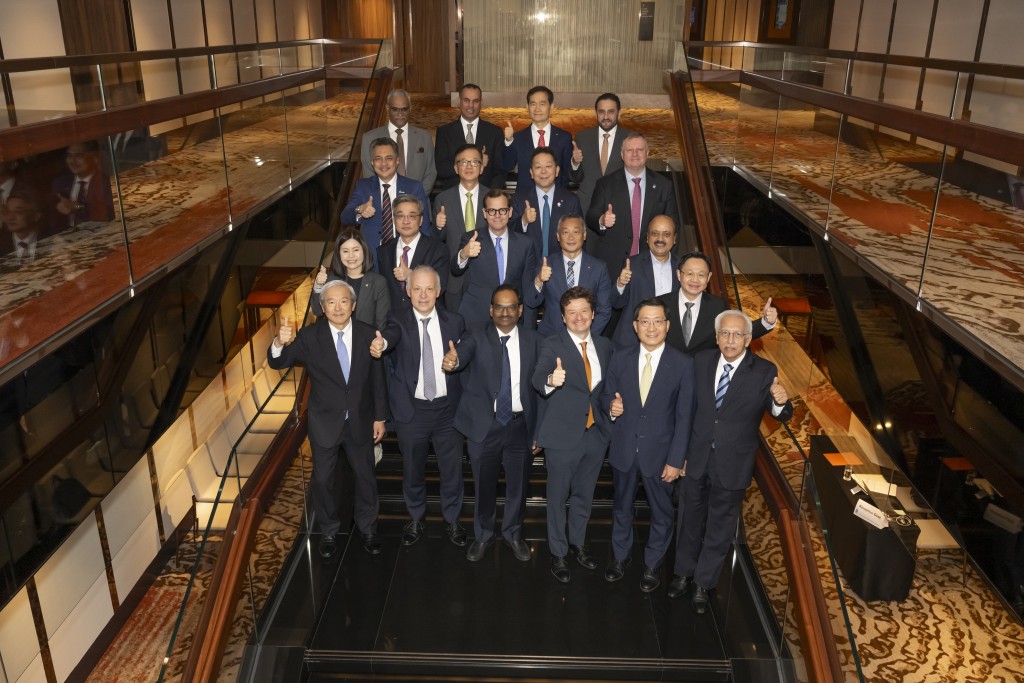
The Airport Authority Hong Kong (AAHK) prioritizes tangible impact and practical needs when introducing artificial intelligence (AI) technologies into its operations, chief executive officer Vivian Cheung Kar-fay said at the third Super Terminal Expo on Tuesday.
Cheung explained that the authority carefully assesses the financial feasibility of the tools and determines whether the technology can strengthen existing systems, optimize resource allocation, or alleviate ongoing manpower shortages.
She said that the initial expenditure on AI is often substantial, making budget management and cost-effectiveness critical considerations when introducing the technology.
She emphasized that successful AI deployment hinges on whether employees can effectively utilize these tools. Consequently, the authority has rolled out comprehensive training programs to help existing employees become proficient in AI.
HKIA is currently piloting smaller-scale projects, Cheung said, adding that the authority's strategy is to build a highly skilled, AI-literate internal team through hands-on, in-house training.
Speaking at the same event, Chris McLaughlin, chief operating officer of Dallas/Fort Worth International Airport (DFW), shared his observations on the importance of early employee involvement in AI development.
McLaughlin noted that during DFW's recent development of a new AI project, the airport organized dedicated workshops involving over 50 frontline workers, managers, and consultants.
This approach empowered end-users to help determine the tool's required functionalities, ensuring higher adoption rates and a genuine boost to overall productivity, he added.