Read More


Morning Recap - November 3, 2026
5 hours ago
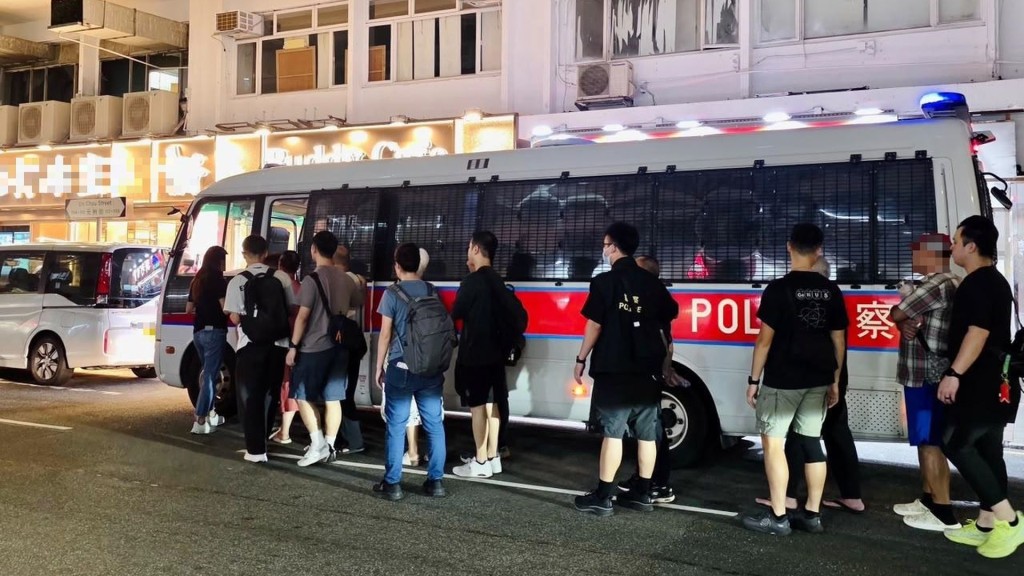
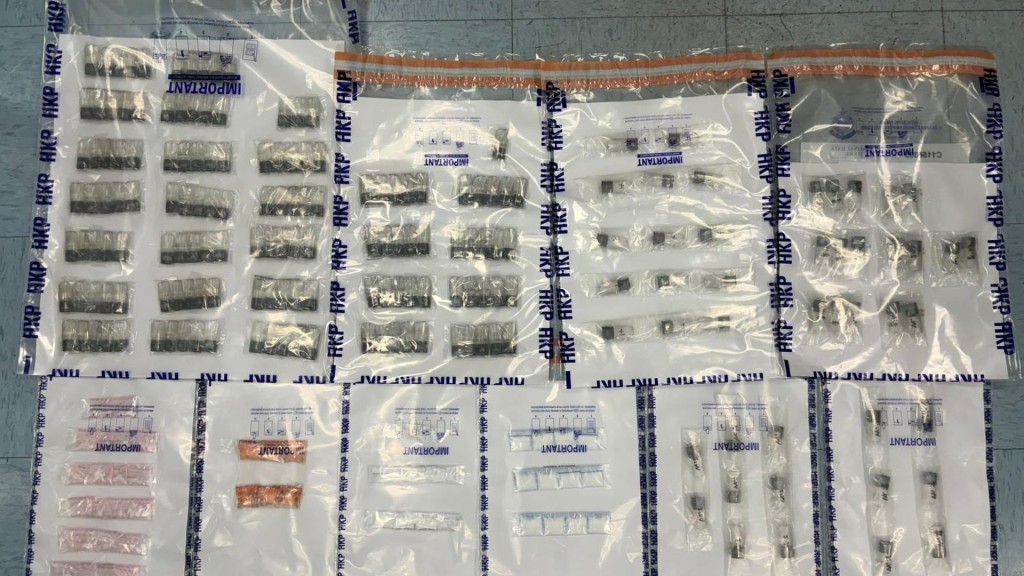
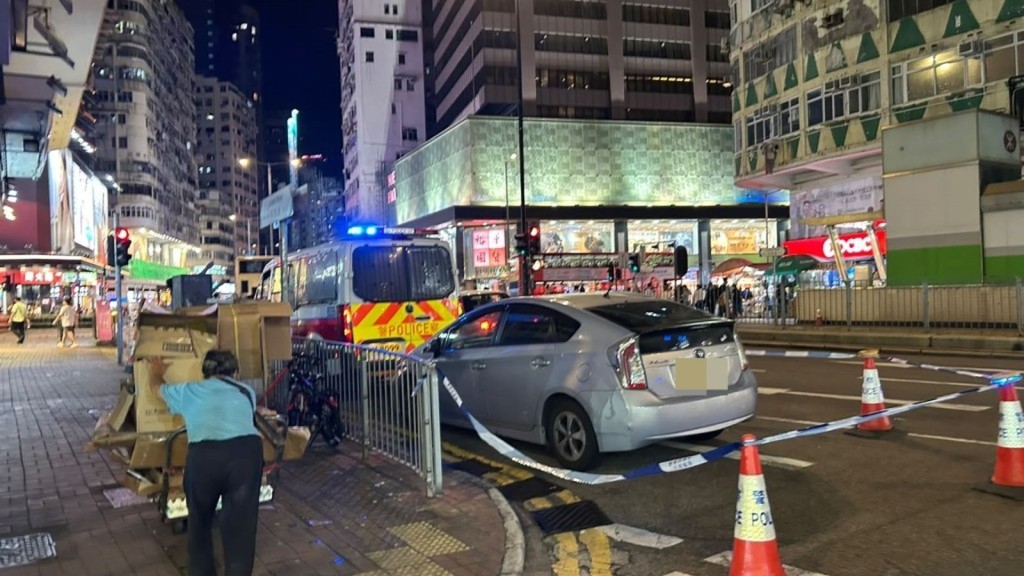

ICAC charges two former Johnson Cleaning executives over $75 million bribes
02-11-2026 10:48 HKT
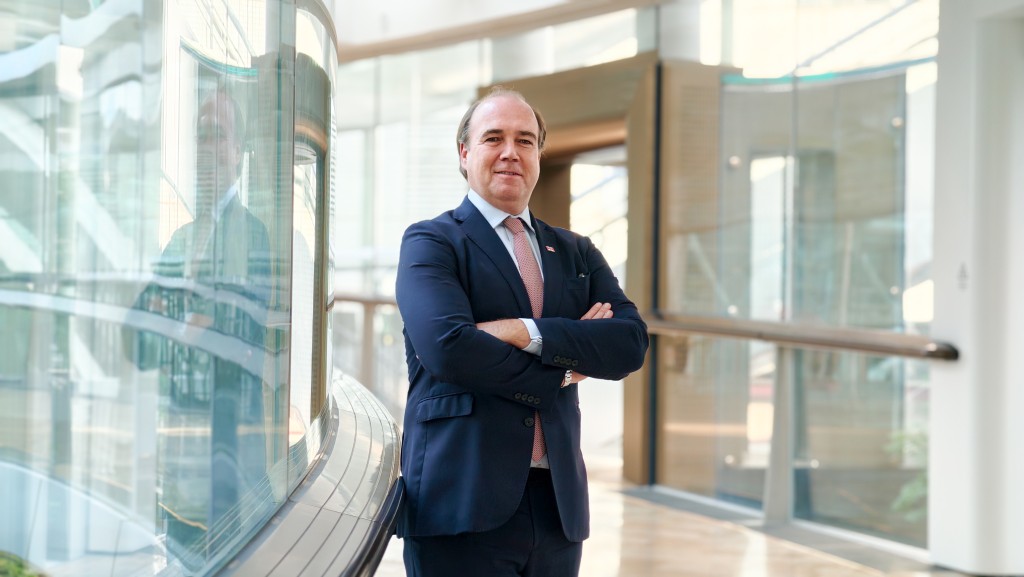
Swire to pursue $15b vision for Taikoo Place
02-11-2026 06:00 HKT


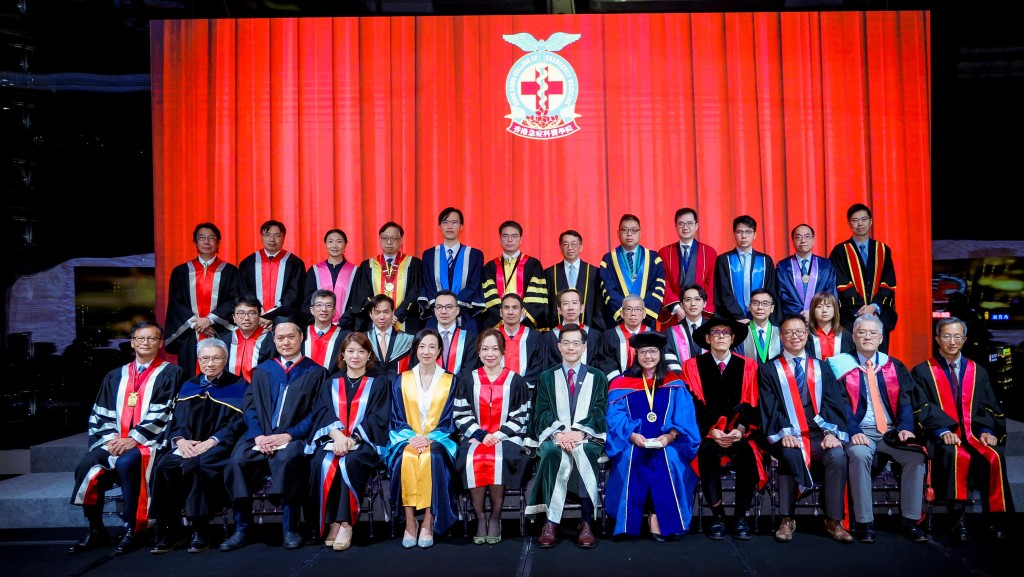
From teaching schoolchildren how to perform CPR to exploring how drones and artificial intelligence could transform emergency response, Hong Kong’s emergency medicine community is looking beyond the hospital walls to find new ways to save lives.
A person suddenly collapses in a crowded shopping mall. Around them, people stop and stare. Someone calls for an ambulance, but what happens in the minutes before it arrives could make all the difference.
In the race to save a life, emergency care does not begin when a patient reaches the hospital. It can start with a bystander recognising a cardiac arrest, calling for help and beginning cardiopulmonary resuscitation (CPR). If an automated external defibrillator (AED) is available, using it promptly can provide another crucial link in the chain of survival.
This is the challenge facing emergency medicine today: how to make life-saving intervention faster, more accessible and more effective, both inside and outside hospitals.
The question took centre stage at the Scientific Symposium on Emergency Medicine (SSEM) 2026, organised by the Hong Kong College of Emergency Medicine (HKCEM) under the theme “30 Years of Excellence: Honouring the Past, Engineering the Future”. Bringing together experts from Hong Kong and overseas, the symposium explored how public education, medical collaboration and emerging technologies could help shape the next chapter of emergency care.
For Dr Axel Siu, newly elected Chairman of the Resuscitation Council of Asia (RCA), one of the most important steps is changing how people think about resuscitation.
When cardiac arrest happens outside a hospital, emergency professionals may not be the first on the scene. Members of the public can therefore play a critical role in the early response, making CPR awareness and training essential to improving survival.
Dr Siu believes that this education should begin long before people enter the workplace. Rather than expecting young children to master every technical aspect of resuscitation, the priority is to help them recognise an emergency, understand the importance of acting quickly and feel confident enough to seek help.
“The younger generation is our future. It is important to change their mindset from an early age,” he said.
He pointed to Japan, where CPR training has been introduced in primary schools, as an example of how life-saving knowledge can become part of everyday education.
Hong Kong is also making progress. Dr Siu cited initiatives involving Hong Kong Polytechnic University and The Chinese University of Hong Kong, which have engaged students in CPR training through collaborations with healthcare organisations. He hopes more secondary schools will follow suit, with trained teachers helping to pass these skills on to the next generation.
The goal is simple: when an emergency happens, people should know that they do not have to stand by and wait for professionals to arrive. Recognising cardiac arrest, calling for assistance and starting CPR can all help give a patient a better chance.
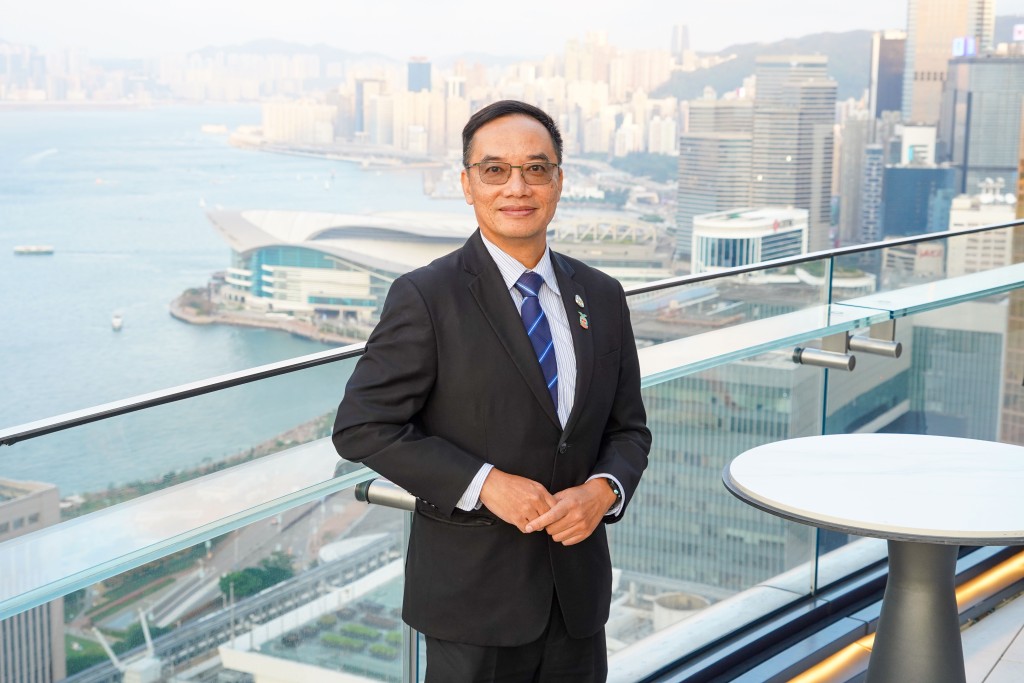
Knowing what to do is only part of the equation. Having the right equipment within reach is equally important.
Dr Siu believes AEDs should be more widely available in public spaces, particularly in densely populated and high-risk locations. But rather than simply increasing their numbers, he argues that deployment should be guided by reliable data.
An out-of-hospital cardiac arrest registry, for example, could help identify where incidents occur most frequently and where additional AEDs would have the greatest impact.
Visibility matters, too. AED signs need to be easy to spot and recognise, much like fire exit signs and fire extinguishers, so that people can locate the equipment quickly under pressure.
Technology could take accessibility a step further. Dr Siu described the potential of connected AEDs that use Wi-Fi and mobile applications to alert people nearby when an emergency occurs. An alert could prompt someone to retrieve a nearby device, while GPS functions could help rescuers find the patient.
Such ideas point to a future in which life-saving equipment is not simply available in public spaces, but can also be mobilised more quickly when it is needed.
The challenge of improving survival is not confined to one city or healthcare system. It requires knowledge-sharing across borders, particularly in a region as diverse as Asia.
As the newly elected Chairman of RCA, Dr Siu hopes to strengthen the region’s representation in international resuscitation recommendations developed through the International Liaison Committee on Resuscitation (ILCOR).
ILCOR brings together experts to develop evidence-based recommendations, including guidance on basic and advanced life support. Dr Siu believes Asian specialists should play a greater role in shaping these recommendations, bringing the region’s experience and perspectives into the process.
The need is clear: healthcare systems across Asia vary significantly in resources, infrastructure and local circumstances. A resuscitation approach that works in one country may not be suitable for another.
Dr Pauline Convocar, President of the International Federation for Emergency Medicine (IFEM), praised HKCEM as a trailblazer in Asia and internationally, recognising its contributions to research, education and professional training.
She said IFEM’s vision was to ensure everyone, regardless of where they lived, could access high-quality emergency care. However, geographical barriers and inequalities in healthcare provision remained significant challenges, even in high-income countries.
Through its network of national emergency medicine societies, IFEM promotes international collaboration to help countries strengthen their emergency care systems in ways that address local needs.
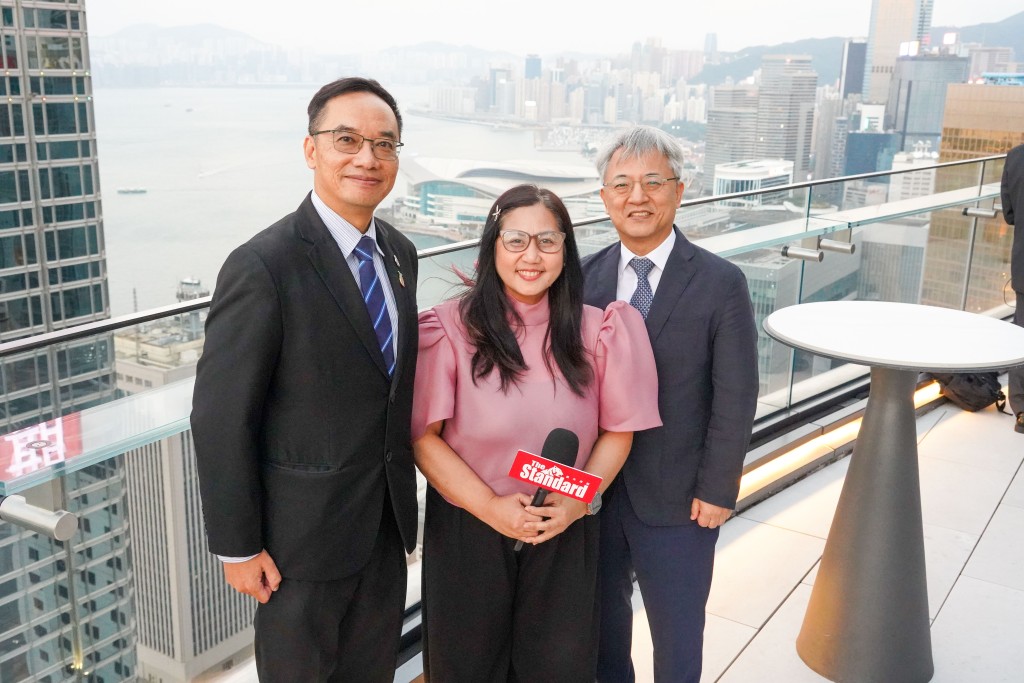
Some of the most promising developments may come from technologies that can shorten the distance between a patient and the care they need.
Dr Convocar sees growing potential for artificial intelligence (AI) to support clinical decision-making and help patients reach the most appropriate healthcare facilities. Rather than simply directing someone to the nearest hospital, intelligent navigation systems could help match patients with the right facility and care provider.
Drones could also play a role, particularly in places that are difficult for ambulances to reach. Dr Convocar highlighted their potential to deliver AEDs directly to patients experiencing cardiac arrest, as well as transport blood in other emergency situations.
But while technology may help speed up emergency response, it cannot replace the people behind it.
“There is a digital revolution, but there is still humanity in it,” she said, stressing that innovation must complement the work of healthcare professionals rather than replace the human element of care.
Looking towards the next decade, she also identified the need to nurture future leaders, build a sustainable workforce and address inequalities in access to emergency services. Changing demographics, conflict and climate change will bring further demands. Emergency departments, she noted, are often among the first places to detect shifts in disease patterns and emerging health threats, including dengue and heatstroke.
For HKCEM, the symposium’s theme of “Engineering the Future” is not simply a look towards new technology. It is also a reflection of the people, partnerships and professional standards needed to keep emergency care moving forward.
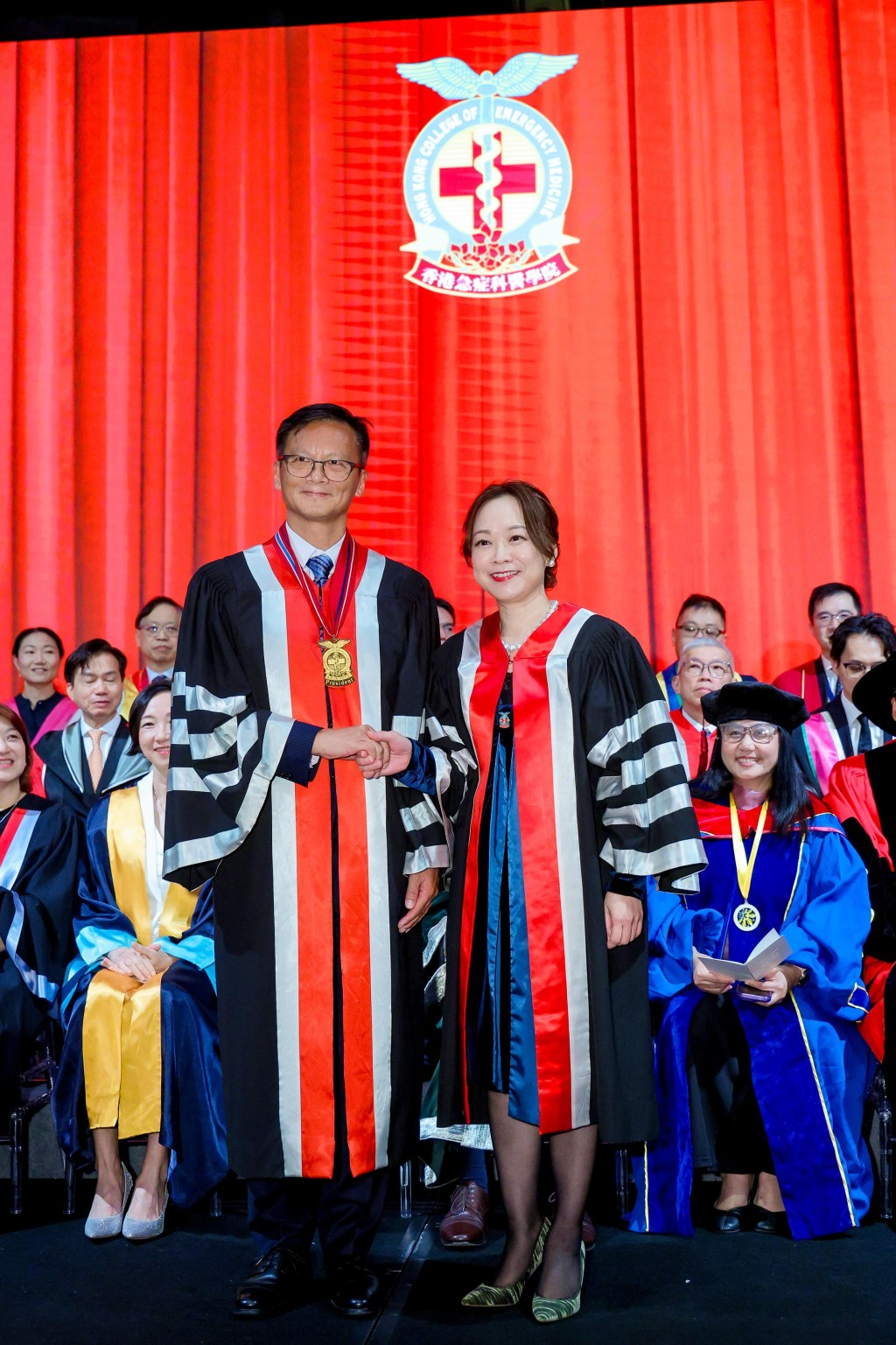
The College marked another milestone on 31 October 2026, when Dr Clara Wu passed the HKCEM presidency to Dr Matthew Tsui during its Conferment Ceremony. Days earlier, on 25 October, members of the medical community and the public came together for a Guinness World Records™ achievement for the Largest Human Image of an AED Symbol— a public-facing celebration that brought resuscitation awareness into the wider community.
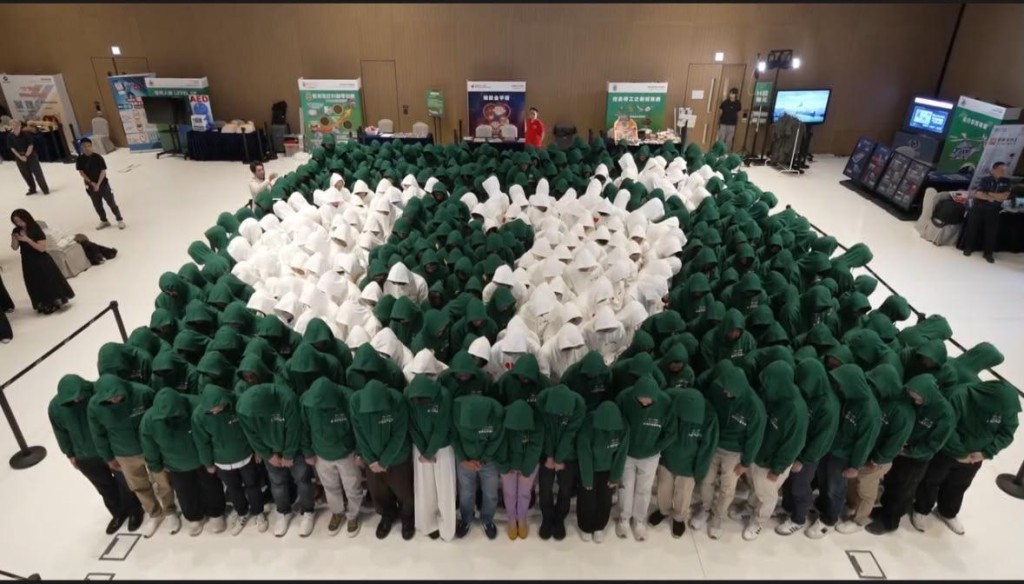
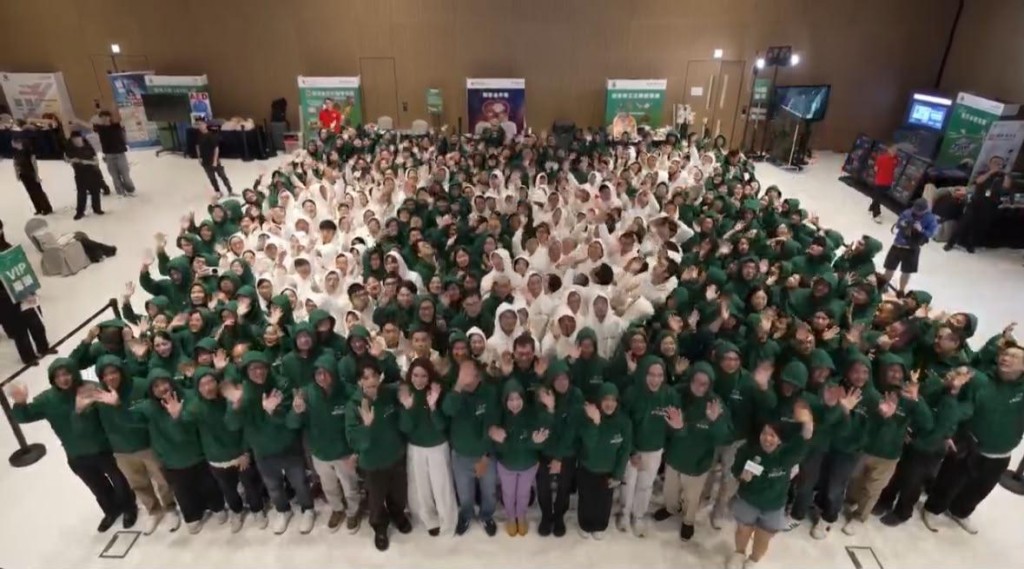
As the College enters its next chapter, its priorities remain rooted in high standards of specialist training and clinical practice, alongside greater international exchange and continued improvements in emergency care for Hong Kong.
From a schoolchild learning CPR to an international expert helping shape resuscitation recommendations, every contribution forms part of a much bigger effort. Saving lives takes more than a single breakthrough: it depends on informed communities, prepared hospitals, skilled professionals and partnerships that cross borders.
When every second counts, building a stronger chain of survival is everyone’s responsibility.