
Read More
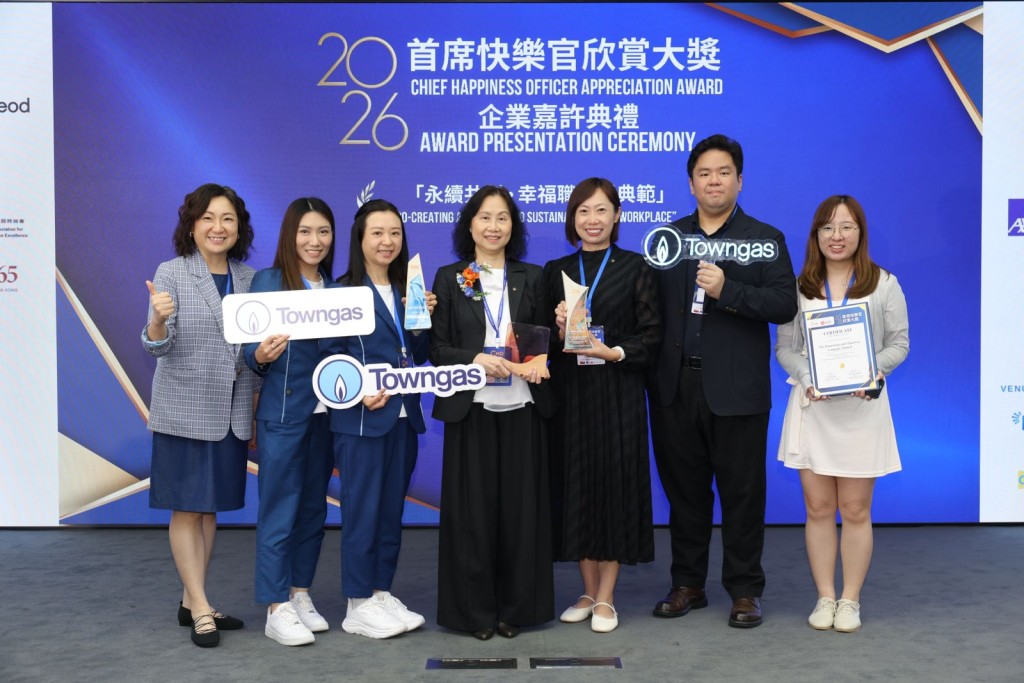
Workplace happiness depends on more than pay and benefits, with company culture, supportive colleagues and a sense of purpose playing an important role, award recipients said at the sixth Chief Happiness Officer Appreciation Award 2026.
ADVERTISEMENT
SCROLL TO CONTINUE WITH CONTENT
Towngas customer service center manager Yvonne Lai, who received a “Be My Own CHO” individual award, said a supportive team and an understanding corporate culture had given her a strong sense of belonging and fulfillment during her 25-year career.
Lai joined the company as a frontline employee before moving into management. She said customer service could be stressful, but talking through difficulties with colleagues and receiving support from the company helped staff cope with negative emotions and pressure.
One experience that stayed with her came years ago, when she and several colleagues voluntarily helped an elderly wheelchair user leave a building.
Several days later, the man’s family returned with pastries to thank them, a gesture Lai said gave her a deep sense of happiness and satisfaction from her work.
Smaller businesses can also create happier workplaces, according to William Lam, founder and chief executive of Mandala Medical Education, which was named among the Top 5 Happy SMEs to Work For.
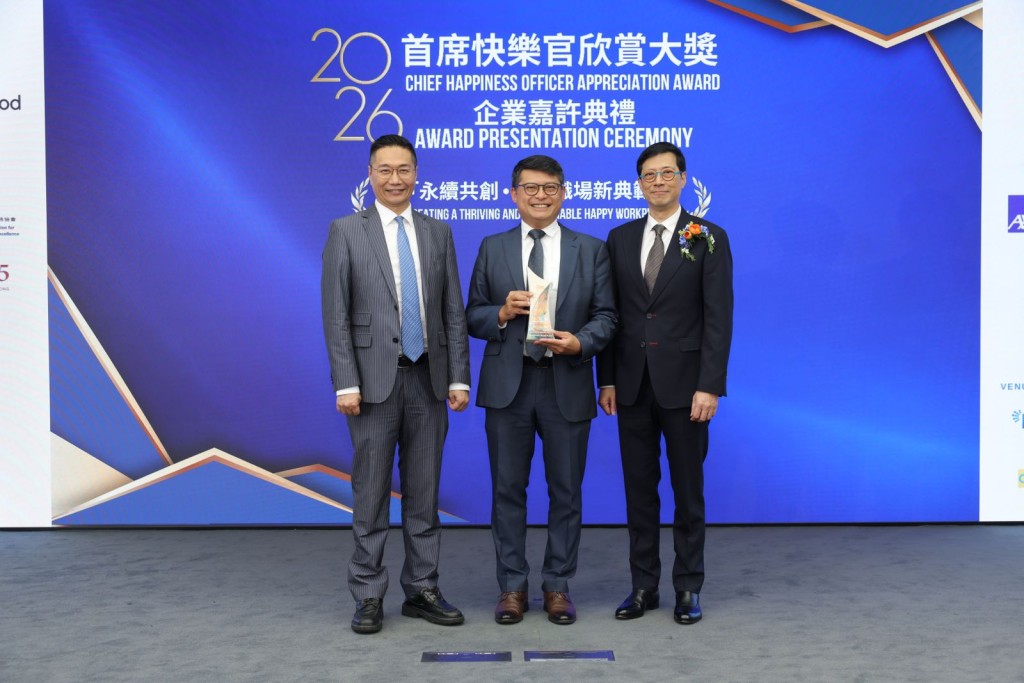
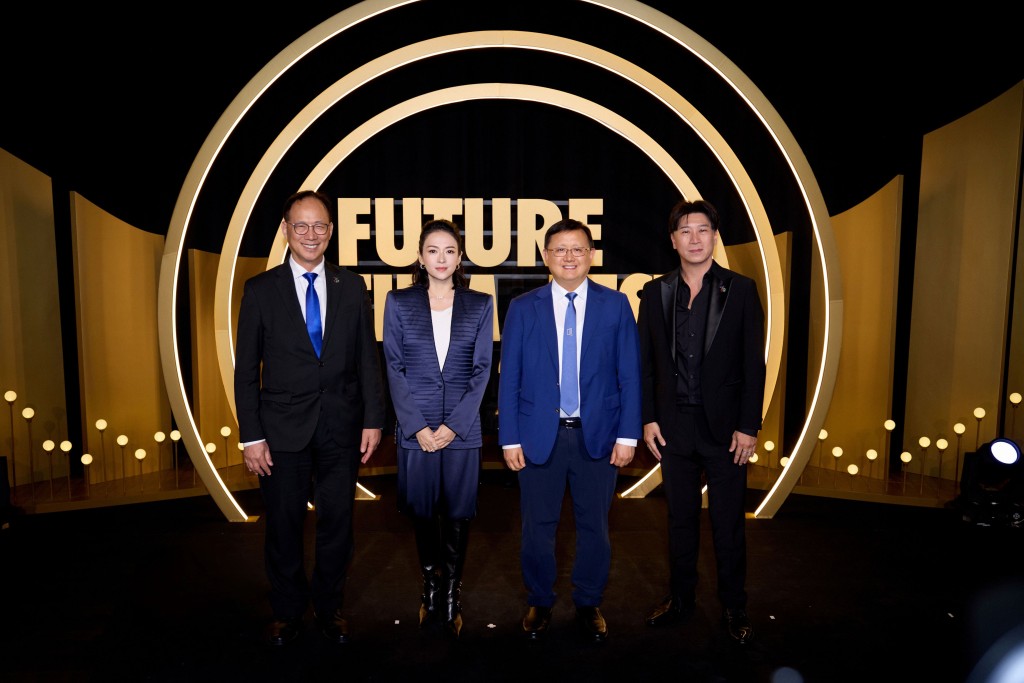
William Lam (center), founder and chief executive of Mandala Medical Education, said smaller businesses can also create happier workplaces.
Lam said reasonable pay was important in keeping employees engaged, but meaningful work and the opportunity to contribute to society also mattered.
The company has introduced a policy allowing staff to accompany elderly family members or young children to medical appointments without having leave deducted. It also subsidizes employees who pursue further study or professional qualifications.
Lam acknowledged that small and medium-sized enterprises could struggle to match the benefits offered by large corporations, but said employee welfare should improve as a business grows.
He has pledged to gradually enhance medical benefits and extend coverage to employees’ family members as the company meets its business targets, allowing staff to share in its growth.
Speaking at the ceremony, Under Secretary for Labour and Welfare Ho Kai-ming said the rise of artificial intelligence meant employees needed to reassess the value they could bring to the workplace and work with employers to build happier working environments.
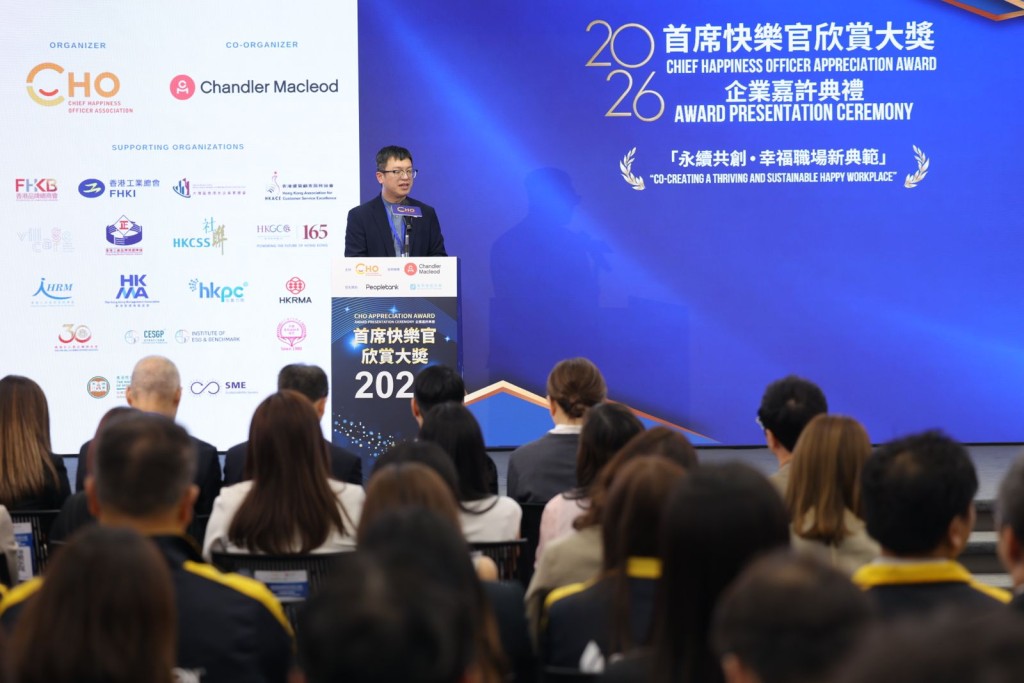
Under Secretary for Labour and Welfare Ho Kai-ming speaking at the event.
June Leung, chairwoman of the association’s honorary advisory board, said companies should pay greater attention to employees’ needs amid economic challenges.
“A culture of happiness is not a cost, but a source of competitiveness,” she said, adding that companies should grow alongside their employees through respect and trust.
Shiu Ka-fai, a member of the National Committee of the Chinese People’s Political Consultative Conference and the Legislative Council, said employee happiness could benefit productivity, workplace harmony and business performance.
“Making colleagues happy can only help a company’s productivity, harmony and business,” Shiu said.
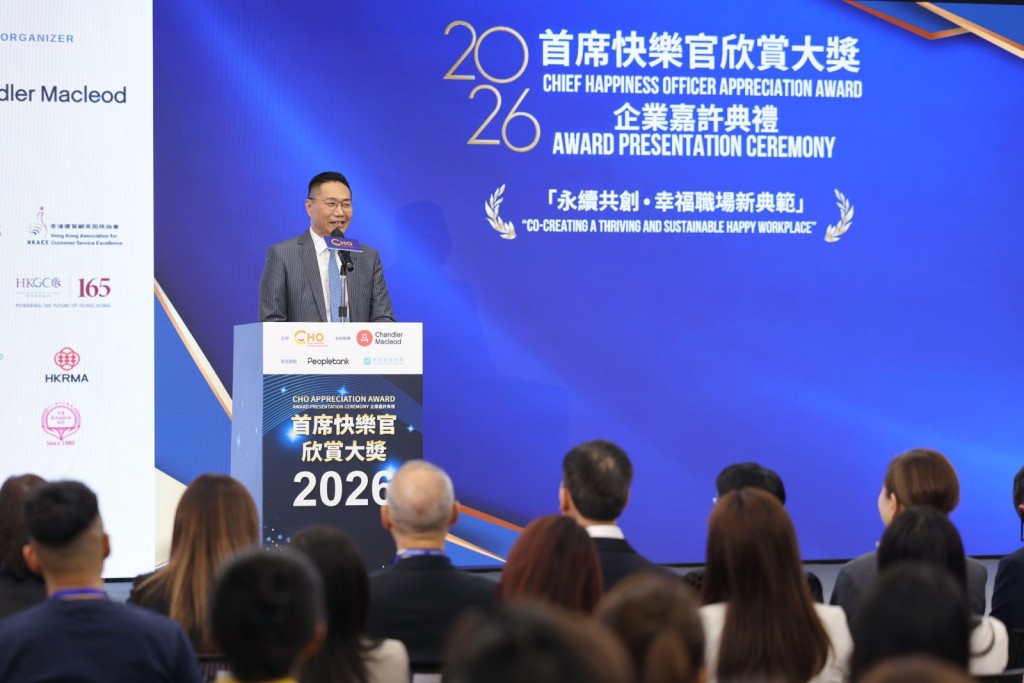
Lawmaker Shiu Ka-fai speaking at the event.
He said employees were an important asset and that helping them develop a sense of belonging, enjoy their work and see prospects for advancement was an important part of running a business.
Shiu added that improving employee happiness did not necessarily require substantial resources and praised the Chief Happiness Officer Association for continuing to promote the concept, saying he hoped it could spread from workplaces to the wider community.
The sixth Chief Happiness Officer Appreciation Award 2026 was organized by the Chief Happiness Officer Association to recognize companies for their efforts in employee well-being and workplace culture.