
Read More
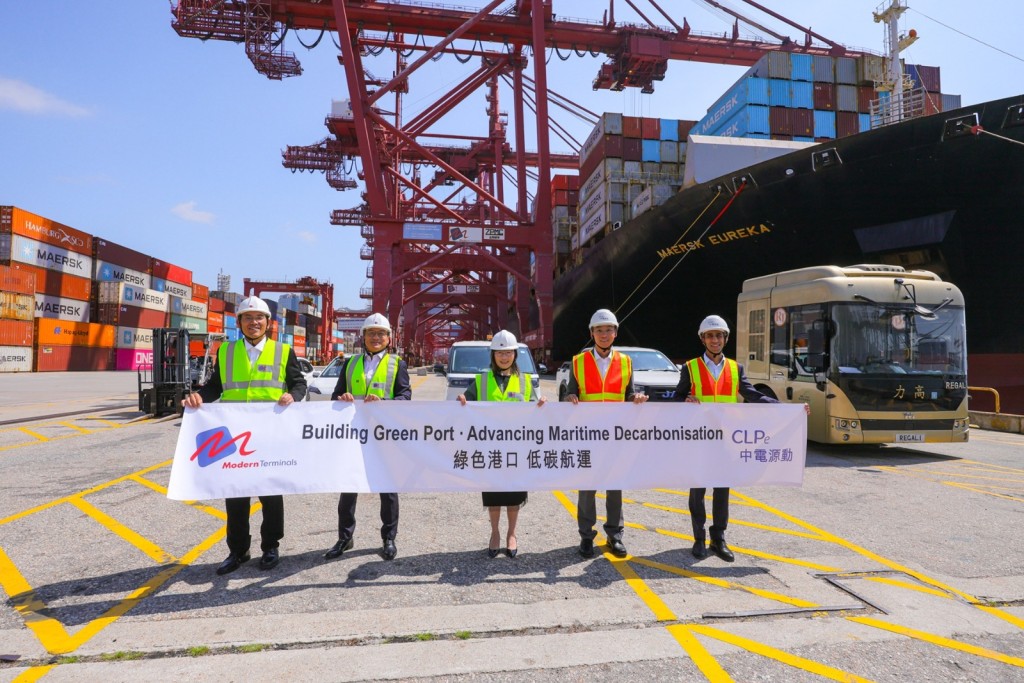
CLPe and Modern Terminals have signed a memorandum of understanding to develop a roadmap for electrifying Hong Kong container port operations and explore low-carbon technologies for the maritime sector.
ADVERTISEMENT
SCROLL TO CONTINUE WITH CONTENT
Under the agreement, the two companies will study the use of onshore power systems for container vessels, battery-swapping solutions for container tractors, charging infrastructure for electric vehicles and mobile equipment, as well as power systems for electric barges.
The partnership is aimed at supporting Modern Terminals’ longer-term decarbonization plans and the wider transition toward lower-emission port operations in Hong Kong.
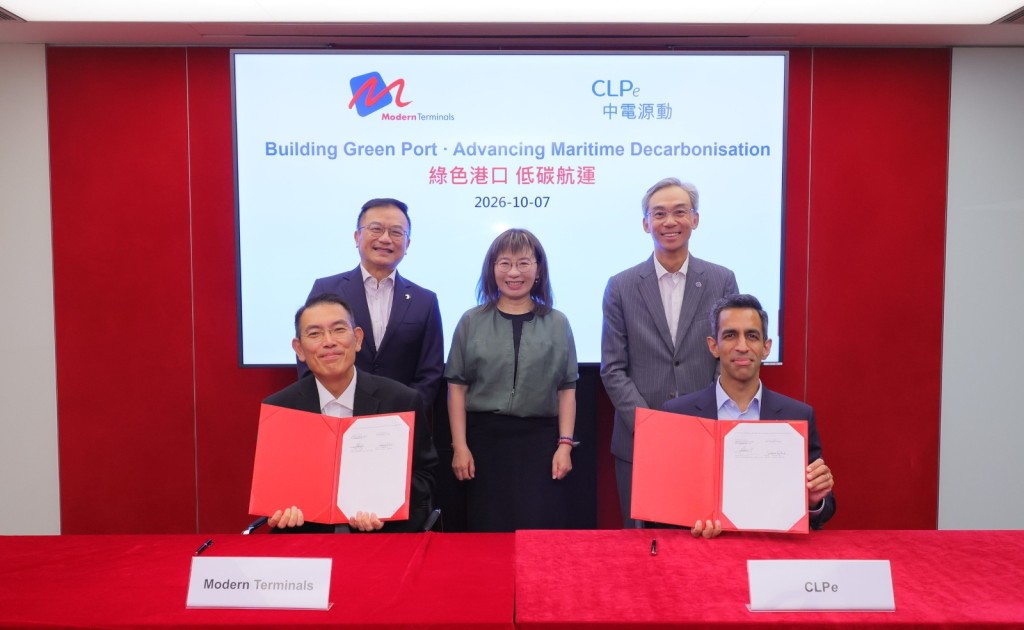
(Back row, from left) Witnessed by Modern Terminals Limited Group Managing Director Horace Lo, Deputy Secretary for Transport and Logistics cum Commissioner for Maritime and Port Development Amy Chan, and CLPe Managing Director Ringo Ng, (front row, from left) Modern Terminals Limited Managing Director Charles Yung and CLPe eMobility Director Saraansh Dave sign the MOU to jointly develop a port electrification roadmap and explore innovative low-carbon solutions for Hong Kong's container port operations.
Deputy Secretary for Transport and Logistics and Commissioner for Maritime and Port Development Amy Chan said the collaboration marked “a significant milestone in the green transformation of the container terminal operations” and aligned with the government’s policy goals.
CLPe managing director Ringo Ng said reducing emissions from the maritime sector was important to Hong Kong’s competitiveness as an international maritime center, adding that the company was exploring electrification alongside green marine fuel bunkering and other energy solutions.
Modern Terminals group managing director Horace Lo said electrification had emerged as a key long-term pathway as battery technology advanced, alongside the use of alternative green fuels. The company has set a 2030 target to eliminate direct greenhouse gas emissions from its operations.
The two companies will next carry out feasibility studies and technical assessments before developing a phased implementation roadmap.