Read More




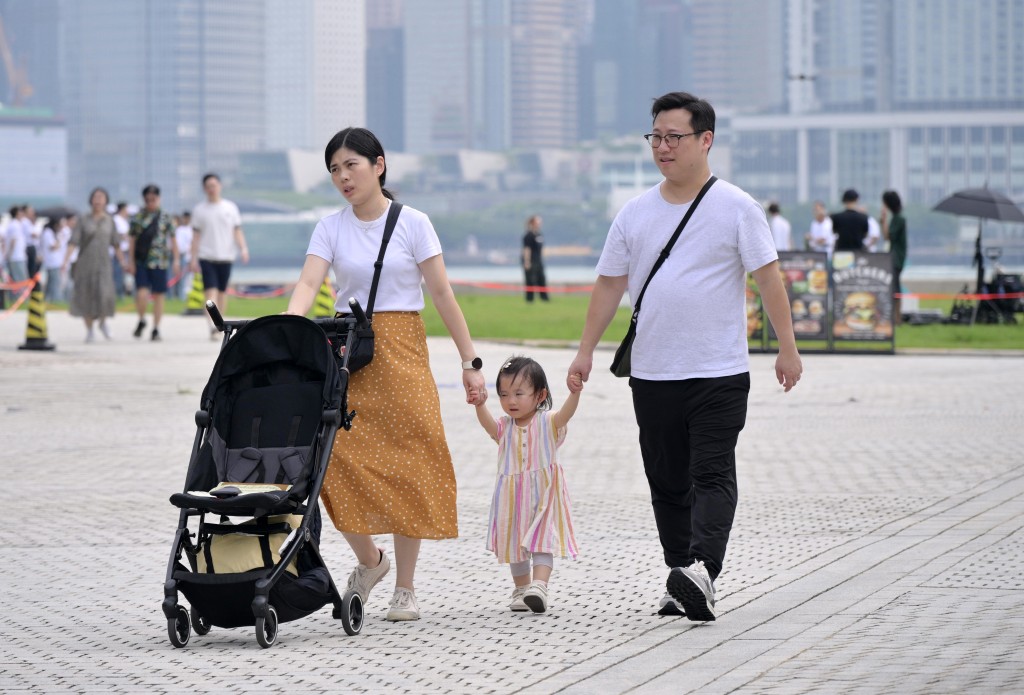
Lawmakers have proposed a range of incentives, including a childbearing lottery and expanded parental leave, to address Hong Kong’s declining fertility rate, as officials stressed that the government would take a gentle approach rather than rely on high-pressure tactics to encourage young people to have children.
The discussions followed the introduction of 11 pronatal measures outlined in the Policy Address, which included extending the HK$20,000 newborn cash incentive for three more years, giving higher public housing allocation priority to eligible families, increasing quotas for assisted reproduction, raising child-related tax allowances and subsidies, and expanding childcare services.
Speaking at a Legislative Council Panel on Manpower meeting on Wednesday, Election Committee constituency lawmaker Chan Cho-kwong said the government’s support was practical but argued that it did not tackle underlying cultural factors.
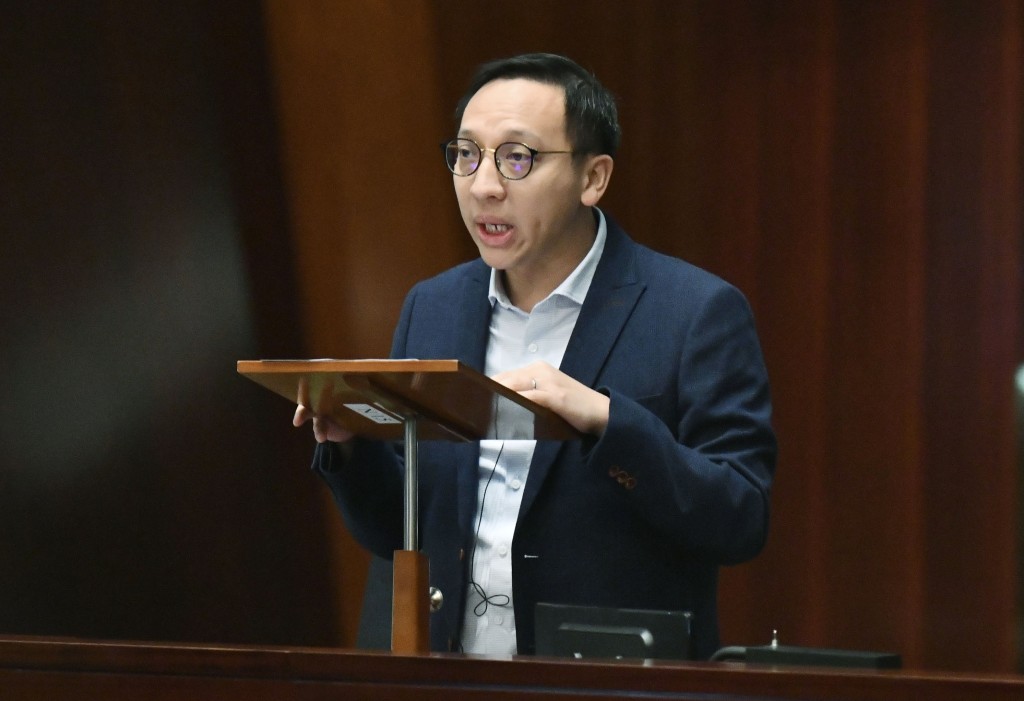
Citing the traditional Confucian tenet that having no descendants is considered the greatest of the three unfilial acts, Chan urged the government to launch cultural and soft promotional campaigns to help young people appreciate family values and understand the broader social implications of falling birth rates.
He also suggested organizing an annual childbearing lottery in partnership with the Hong Kong Jockey Club or corporate sponsors, offering cash prizes of up to HK$4 million per newborn to strengthen the financial incentive.
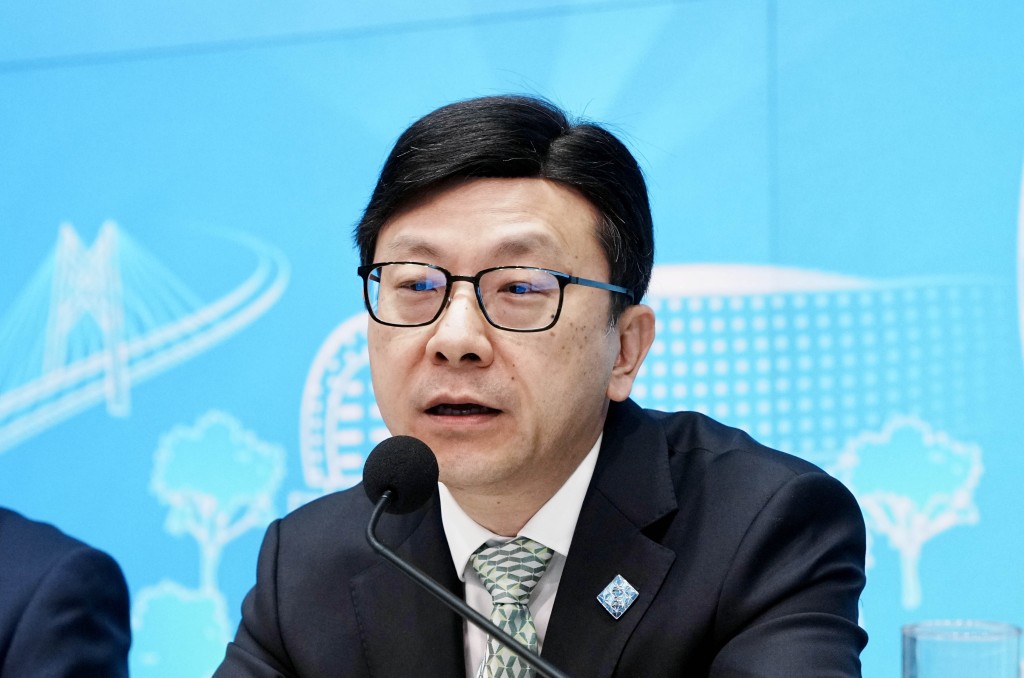
In response, Deputy Chief Secretary for Administration Warner Cheuk Wing-hing said that while incentives worth several hundred thousand dollars might motivate some couples, public resources and contributions from the Jockey Club remained limited.
On Chan’s education proposal, Cheuk warned that a “hard sell” could backfire in an era of smaller, more self-oriented households, saying soft engagement was more likely to resonate with younger generations.
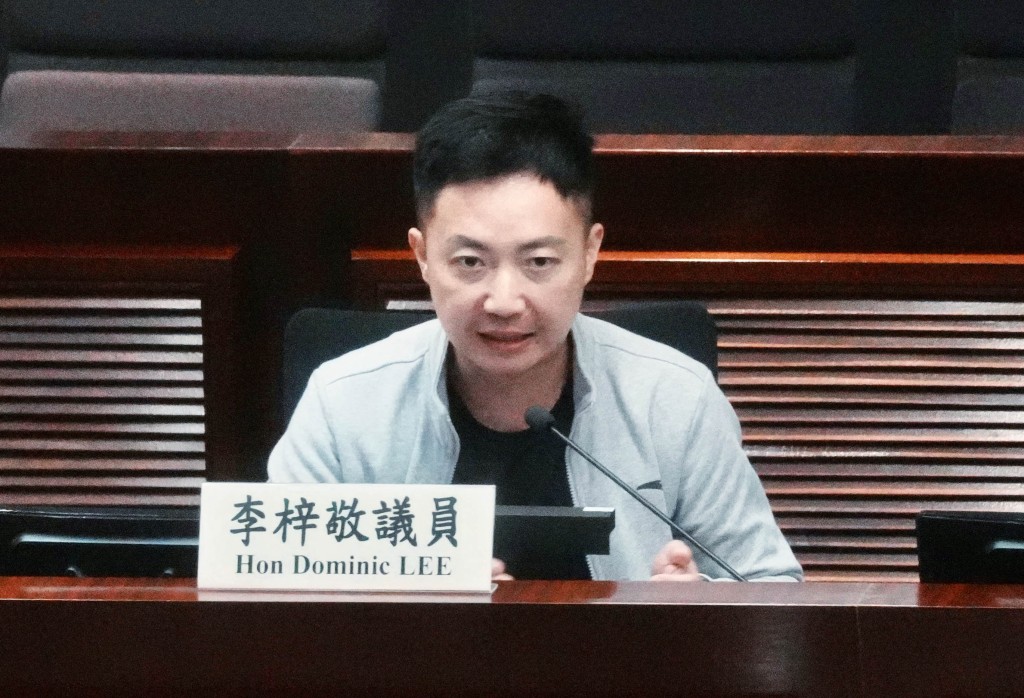
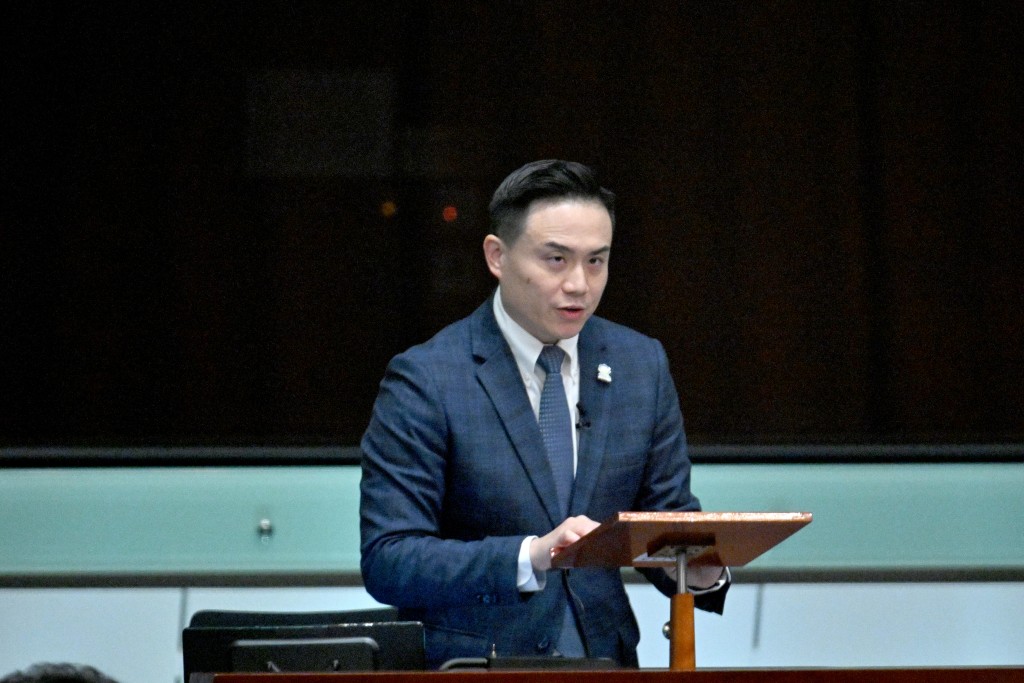
New Territories North lawmaker Dominic Lee Tsz-king noted that while the HK$20,000 bonus had already been approved for about 77,000 applicants, birth rates remained a lingering concern, questioning how officials intended to evaluate the policy's long-term effectiveness.
Cheuk said the measures formed a multi-pronged strategy rather than a single cash payout. He added that births rose temporarily in 2023 and during the Year of the Dragon in 2024 but fell again more recently, noting that advanced economies offering higher financial incentives have faced similar constraints.
On workplace support, lawmaker Lam Wai-kong proposed extending statutory maternity and paternity leave and raising compensation from four-fifths to full pay.
Secretary for Labour and Welfare Chris Sun Yuk-han responded that statutory leave policies must maintain a delicate balance between worker protection, prevailing economic conditions, and employer affordability.
He noted that maternity leave was recently increased by four weeks, with the government funding the additional cost, and assured lawmakers that the administration would continue reviewing leave arrangements pragmatically.
Lawmaker Mark Chong Ho-fung also urged the reinstatement of the universal HK$2,500 student grant that was discontinued in the previous budget, arguing that its return would reassure parents of continuous government backing.
Cheuk expressed reservations about reviving the universal subsidy, stating that under existing fiscal constraints, the government must prioritize targeted poverty alleviation over non-means-tested allowances.