
Read More
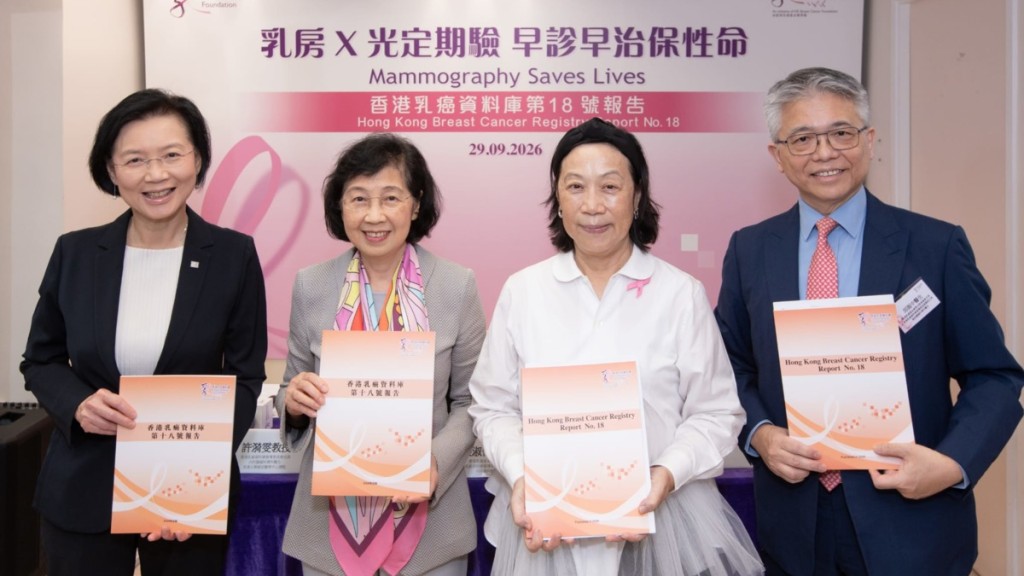
Regular mammogram screening can raise a breast cancer patient's 10-year survival rate by about 14 percent and substantially lower the likelihood of requiring chemotherapy, according to a study released by the Hong Kong Breast Cancer Foundation.
ADVERTISEMENT
SCROLL TO CONTINUE WITH CONTENT
Drawing on 6,942 patient records from the foundation’s database between 2011 and 2015, the study compared more than 700 cases detected through asymptomatic screening against over 6,200 cases diagnosed after patients noticed physical symptoms, such as a breast lump.
The study found an 88 percent 10-year survival rate for screening-detected cases, against 74 percent for symptom-detected cases—a gap of about 14 percentage points.
Screening-detected cases were also far less likely to be advanced, with only 3 percent having progressed to late-stage cancer, compared with 21 percent in the symptom-detected cohort.
The disparity extended to surgical and medical treatments, with only 25 percent of screening-detected patients requiring chemotherapy, compared with 65 percent of symptom-detected cases.
Furthermore, patients whose cancer was identified through screening were significantly more likely to receive breast-conserving surgery, at 56.6 percent versus 32.6 percent among symptomatic patients.
Rina Hui Yee-man, a member of the Hong Kong Breast Cancer Registry and director of the Centre of Cancer Medicine at the University of Hong Kong (HKU), explained that cancers found through screening were mostly early-stage, meaning patients more often had breast-conserving surgery and less often needed chemotherapy.
She added that screening allows for less invasive surgery and treatment, which not only improves 10-year survival rates but also lowers treatment costs.
In response to the findings, the foundation urged the government to establish a territory-wide breast cancer screening program and advised women aged 40 and older to undergo a mammogram every two years.