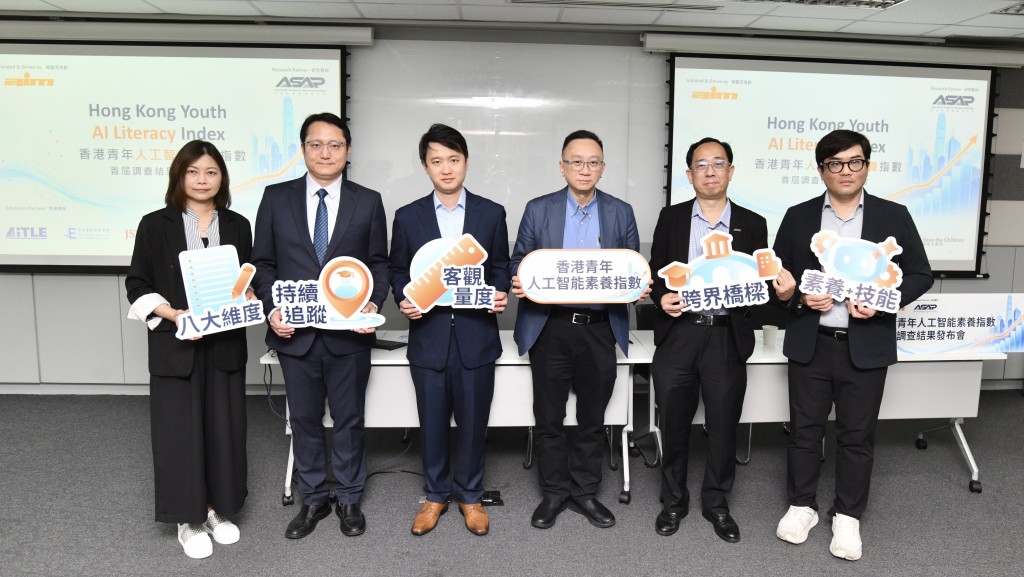
Hong Kong secondary school students consider themselves well-versed in artificial intelligence ethics and day-to-day digital tools but struggle significantly with creative applications, according to a recent survey assessing youth AI literacy across the city.
Jointly conducted by the Hong Kong Association of Interactive Marketing (AIM) and the Asia-Pacific Society for Advocacy and Policy (ASAP), the study represents the city’s first dedicated research effort into youth AI literacy.
Drawing on international and mainland frameworks and academic scales, the study gathered 1,166 responses between June and August across eight key dimensions.
Notably, students scored highest in ethical awareness, practical application and human-AI collaboration, giving themselves 3.81 out of 5 on average, suggesting a general grasp of moral boundaries and responsible AI use.
Technical understanding trailed at 3.62, with AI data literacy and self-efficacy and attitude at 3.58, signaling that frequent AI use does not translate into a grasp of how the technology works for students.
Creative AI application ranked lowest among all eight dimensions at 3.22, pinpointing creativity as the primary vulnerability in students’ overall digital literacy profile.
The researchers made four recommendations, which include incorporating AI theory into curriculum planning, strengthening students' critical thinking towards unknown content, building AI applications in schools, and increasing hands-on opportunities outside the classroom.
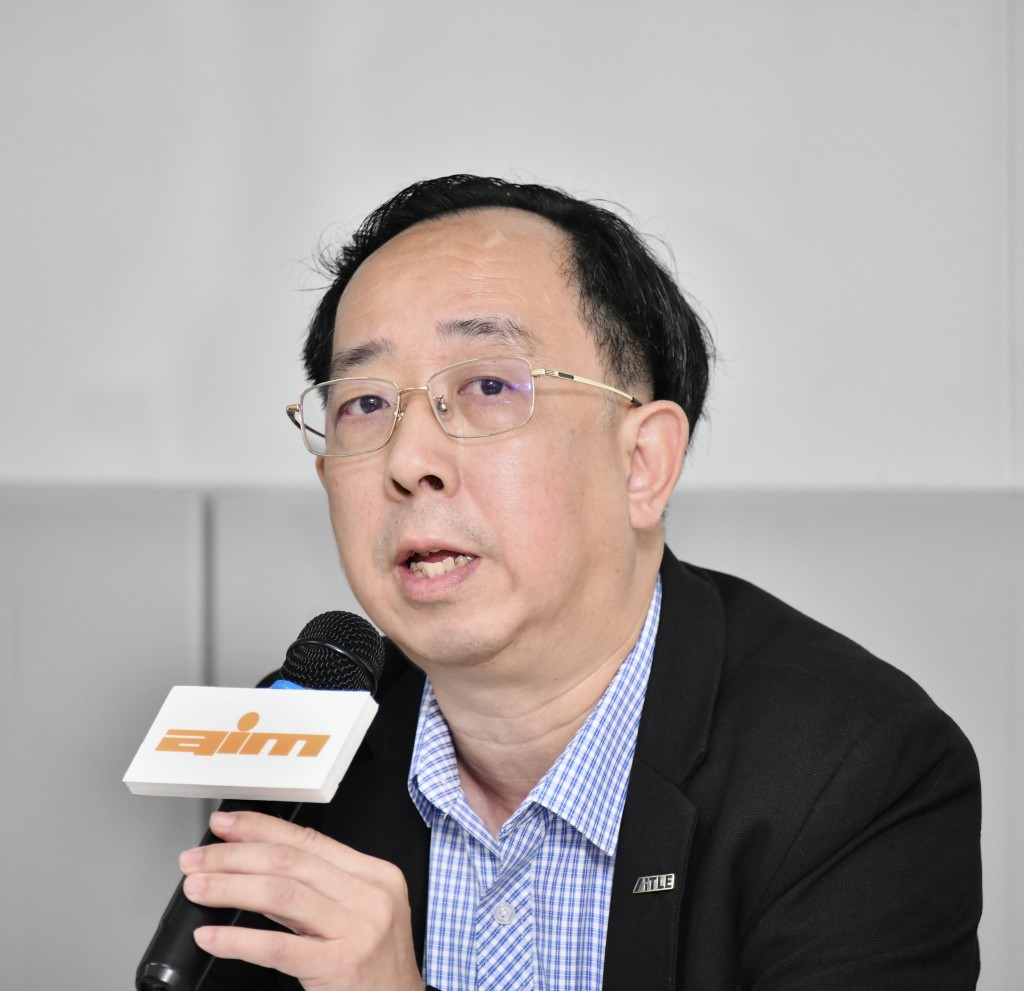
Francis Fong Po-kiu, president of the Hong Kong Interactive Marketing Association, said young people's AI proficiency will shape a city's future capacity for innovation.
He stated that the association will continue connecting different sectors to help nurture the next generation's AI literacy.
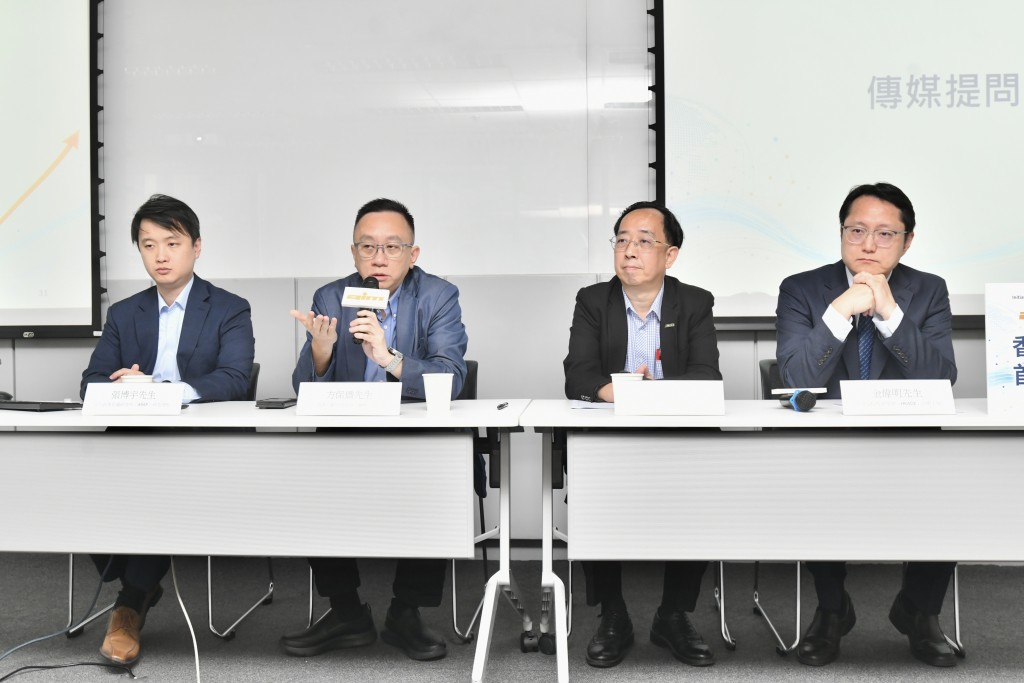
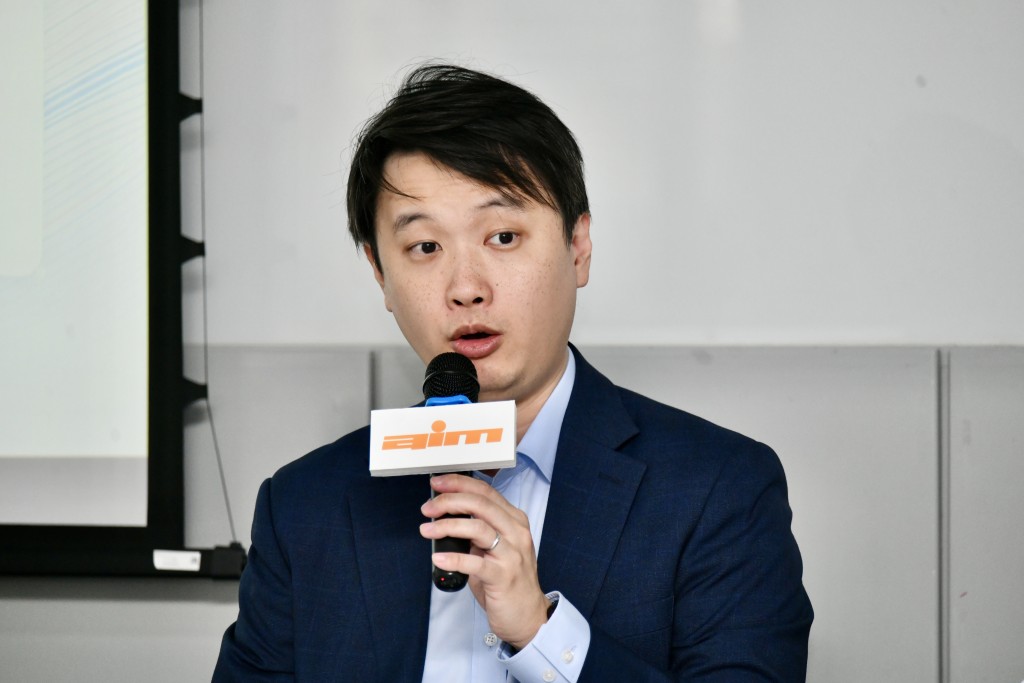
ASAP Research Director Alvin Cheung pointed out that while students still have room to expand their confidence and long-term motivation for continued study, they already demonstrate a sound grasp of practical functions and ethical judgment.
Noting that the initiative aligns with the government’s First Five-Year Plan and its upcoming digital education blueprint, Cheung said the survey index provides an objective, evidence-based reference for future policy design and pedagogical training.
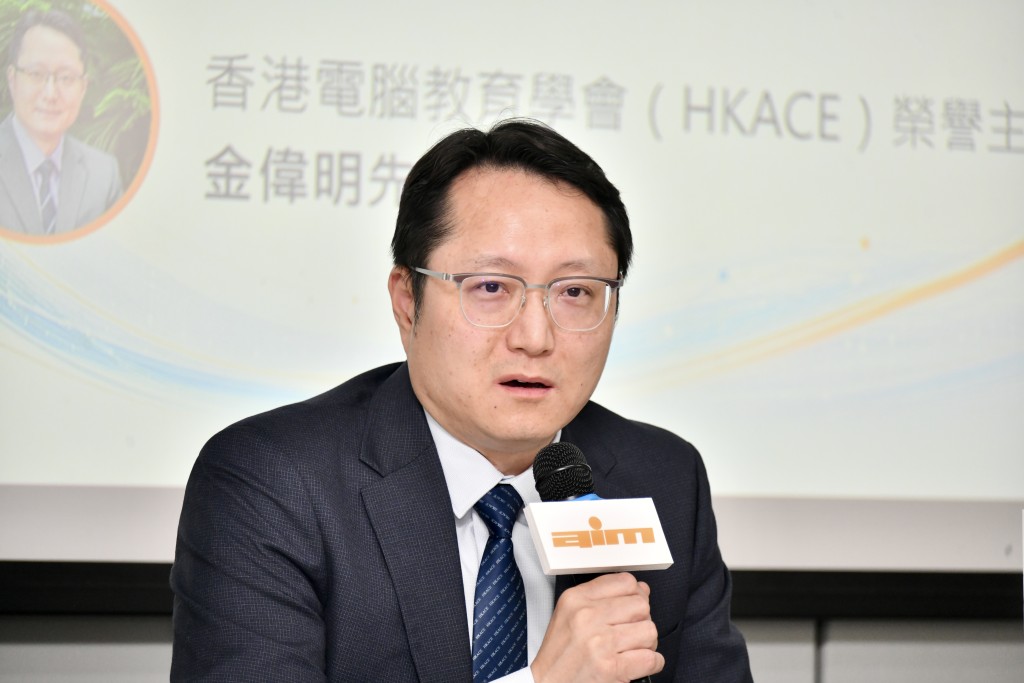
Reflecting on frontline classroom experiences, Albert Wong Kin-wai of the Association of IT Leaders in Education and Stanley Kam Wai-ming of the Hong Kong Association for Computer Education both underscored that cultivating robust AI literacy requires breaking down traditional academic silos to promote cross-disciplinary learning and real-world application.