Read More




Morning Recap - August 24, 2026
6 hours ago




Robot competition wows Hong Kong crowd
14 hours ago

Night Recap - August 23, 2026
16 hours ago

IT manager sentenced to 22 months for stealing $1.2m in Deloitte laptops
21-08-2026 21:49 HKT




Global demand for instant noodles climbed to more than 124 billion servings last year, with China and Hong Kong retaining their position as the world’s largest market, according to the latest figures from the World Instant Noodles Association.
Worldwide consumption reached 124.21 billion servings in 2025, up about 0.7 percent from 123.31 billion a year earlier, the association said.
The top three markets remained unchanged. China and Hong Kong ranked first with combined demand of 43.27 billion servings, followed by Indonesia with 14.54 billion and India with 9.60 billion.
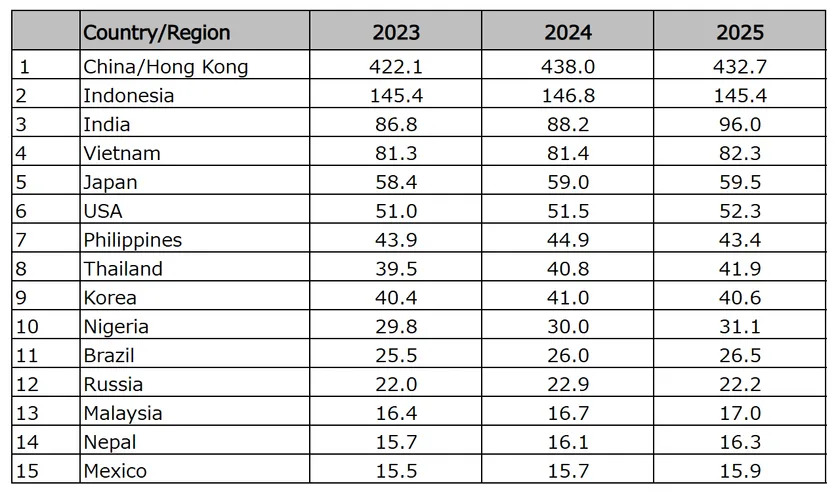
Despite retaining the top spot, demand in China and Hong Kong eased from 43.80 billion servings in 2024, while India recorded notable growth from 8.82 billion to 9.60 billion servings.
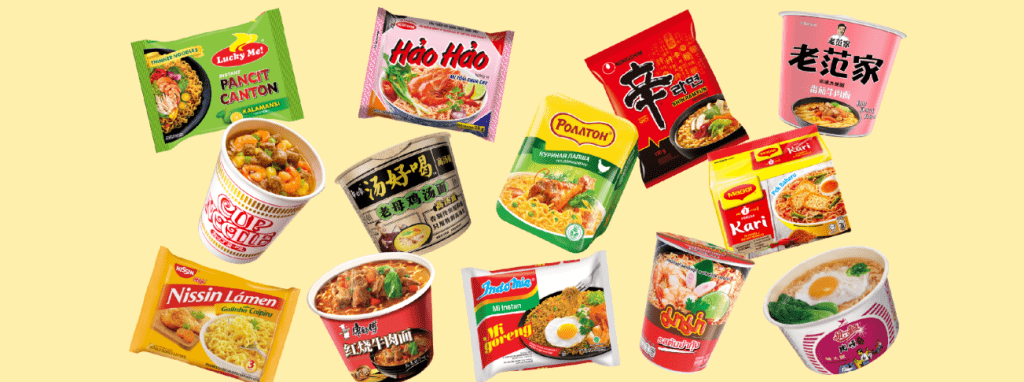
Regional tastes also reveal how the humble instant noodle has been adapted to local eating habits.
In Hong Kong, seafood-based broths, particularly shrimp and fish flavors, remain popular, alongside beef, chicken and pork-bone varieties. Instant noodles are also a familiar fixture at cha chaan tengs, often served with toppings for breakfast or as a snack.
On the mainland, beef-based soup flavored with Chinese five-spice is a favorite, while consumers also have a broad choice of rice vermicelli, glass noodles and larger cup-style products.
Indonesia continues to favor mie goreng, or fried noodles, with chicken, shrimp, vegetable and chili flavors widely consumed. In India, masala curry and chicken tikka flavors are among the most popular, while vegetable and tomato-based varieties are also common.
The association said the instant noodle industry was also facing a more challenging cost environment.
Changes in US trade policy and heightened tensions in the Middle East last year brought greater attention to raw material and product costs, while Asian markets also experienced weaker export sales linked to geopolitical risks and rising input prices.
The association expects those pressures to continue this year, potentially influencing manufacturers’ procurement and pricing strategies.