





Read More


Night Recap - November 2, 2026
4 hours ago




HK braces for cooler weather after warmest Oct on record
01-11-2026 17:53 HKT


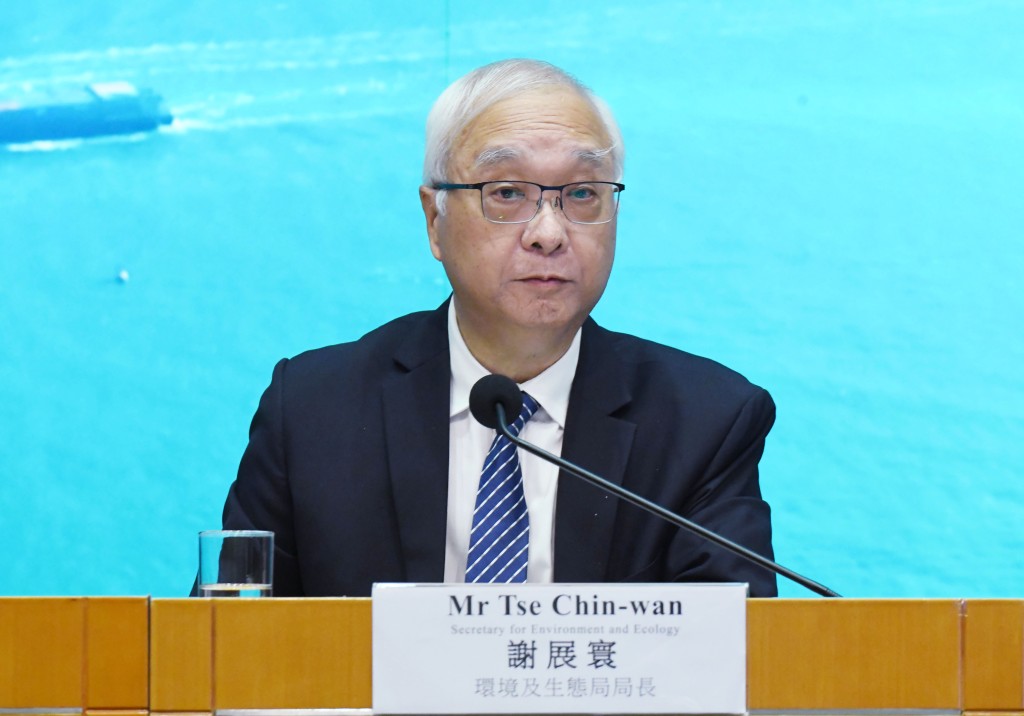
The share of zero-carbon energy imported from the mainland in Hong Kong's fuel mix for electricity generation is expected to increase to about 60 to 70 percent by 2035, according to Secretary for Environment and Ecology Tse Chin-wan on Monday.
The figure was announced today at the Legislative Council’s Panel on Environmental Affairs, where lawmakers focused on future electricity supply and electricity prices.
Tse stated that one-quarter of Hong Kong's electricity currently comes from the Daya Bay Nuclear Power Station in Guangdong, with a plan to increase this proportion to 35 percent in the future.
According to a document submitted to LegCo, the government will continue to enhance the capacity for supplying zero-carbon energy imported from the mainland to Hong Kong.
Tse highlighted that the share of zero-carbon energy in the local fuel mix for electricity generation is expected to increase to about 60 to 70 percent by 2035.
Regarding the exact decrease in electricity prices, Tse stated that an agreement has yet to be discussed with mainland stakeholders and that details cannot be disclosed at this time.
He mentioned that in the future, zero-carbon electricity supplied from the mainland to Hong Kong will not only go to CLP Power but will also be supplied to Hong Kong Island.
He also pledged that a rigorous certification system will guarantee that the energy imported into Hong Kong is zero-carbon electricity.
Addressing eco-tourism capacity concerns raised by Election Committee lawmaker Andrew Lam Siu-lo, Tse said the Agriculture, Fisheries and Conservation Department, which manages many country parks, will explore greater use of technology such as drones for monitoring.
Short-term measures include continued promotion and education in Hong Kong and the mainland, increased staffing, and improvements to facilities and signage at popular sites.
In the medium to long term, the department will assess the carrying capacity of hot spots and study new management approaches, though this requires time.