Read More
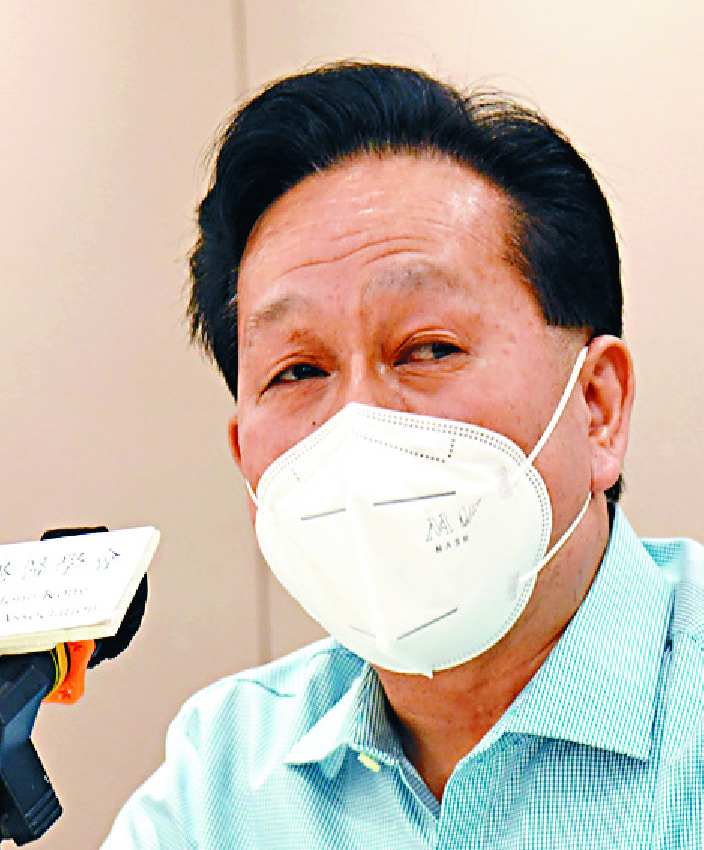
Amy Nip and Sophie HuiArisina Ma Chung-yee, president of the pro-democracy Hong Kong Public Doctors' Association, said eight out of 10 doctors have thought of emigration, while the Association of Hong Kong Nursing Staff found that more than half of 684 members polled have decided to leave.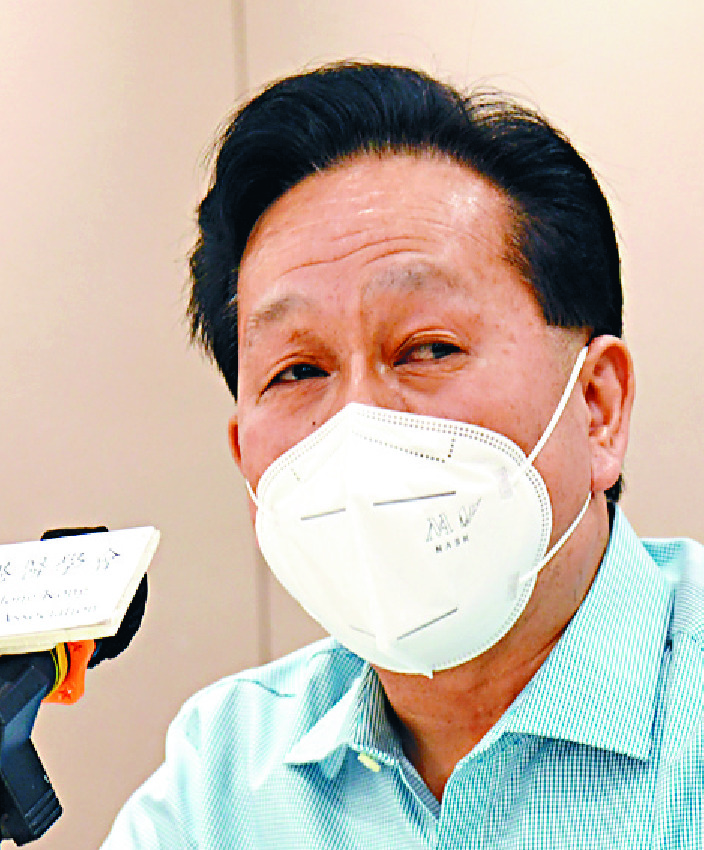

Doctors and nurses are voting with their feet by emigrating, with politics driving the exodus and putting extra pressure on the already brain-drained health-care system, say two major doctors' associations.
ADVERTISEMENT
SCROLL TO CONTINUE WITH CONTENT
Ma said emigration is a hot topic among doctors these days where eight out of 10 have discussed it. But she did not think a large number of doctors had already left Hong Kong or will leave in the short term.
"There may be more emigration cases in nurses as doctors have more things to prepare, like their qualifications," she said.
"I think maybe two or three doctors out of 10 have put the idea into action like taking English language tests for professionals, or looking for jobs in foreign countries, or even buying property overseas," she said. Besides the worry about the situation in Hong Kong, people also need to think whether they can find a suitable job overseas, Ma said.
"Although there is demand for medical workers overseas, some of our qualifications, especially some specialist qualifications, may not be approved in foreign countries and they will have to pass through some exams, so doctors will not leave hastily," Ma said."To me, as middle class, besides politics, I would also worry about the level of public administration and social services in Hong Kong in the future, as well as the uncertainty in the economy," she said.
The president of the Hong Kong Doctors Union, Henry Yeung Chiu-fat, believes the emigration tide in doctors now is similar to the one in 1997.He said several of his relatives who are doctors have emigrated overseas while some doctors have also moved their money abroad.
"One of my relatives emigrated overseas with his family at the end of last year because of the social movement," Yeung said."But I only know a few of them so I can't tell whether many others are also doing that," he said.
"Many semi-retired doctors who are in their 60s decided to retire earlier and closed down their clinics," he said."Recently, we have seen about 20 doctors moving out from the building where our union was. Some could be emigrating, some could have decided to retire,.
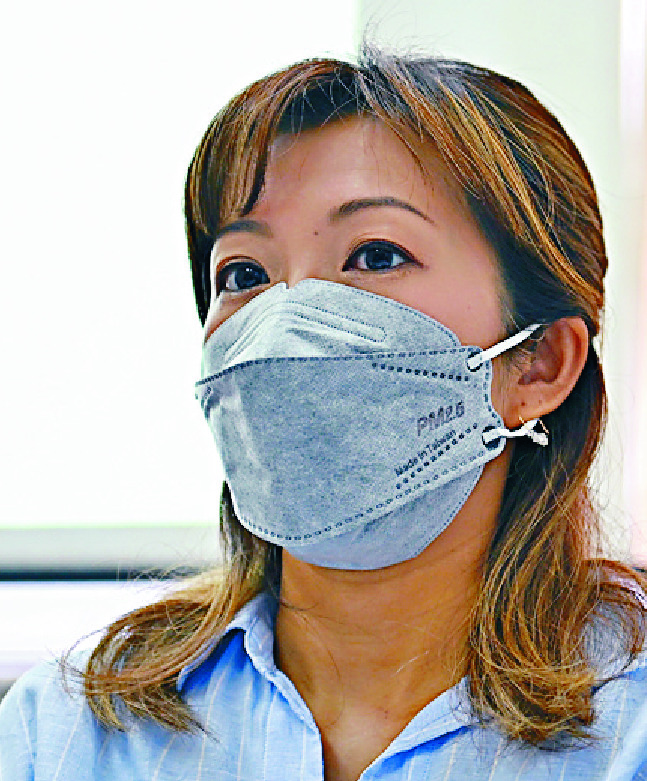
A survey by the Association of Hong Kong Nursing Staff earlier this month found that 54 percent of the 684 nurses polled were considering emigration or were in the process of emigrating, and more than 90 percent said it was because of political and social factors.Mimi, who has been a nurse for 20 years, saw her emigration application granted by Taiwanese authorities in just two weeks.
The woman, in her 40s, was among the last batch of nurses who graduated months before the handover in 1997, and has since worked in the obstetrics department of a public hospital."Who would be willing to leave one's comfort zone with no reason?" said the nurse, who started planning to leave Hong Kong last May.
She used to be apathetic to politics and thought the unrest in 2019 would not last long."But then I realized there will be lasting consequences. This government does not serve Hongkongers. I am leaving as a silent protest," she said.
Her plan is to depart for Taiwan in the beginning of next year, while her husband continues working in Hong Kong and joins her later.Her two sons will be studying undergraduate and postgraduate programs in Taiwanese universities next year.
She knows several other nurses who plan to emigrate, but hasn't told most people her plan except those who are close to her.Florence Tang Yi-ting, managing director of immigration consultancy firm Eversharp International, said many registered nurses would use skilled visas to migrate to Australia as they only need more than three years of full-time working experience and to pass the English requirements.
There are higher requirements for doctors getting a license, she said. A general practitioner will need to complete a one-year internship in hospital while specialists usually prefer migrating using an investment visa.Henry Yeung
Arisina Ma
Nurse Mimi is leaving for Taiwan.