Read More
A 37-year-old man is in critical condition after he was attacked by wild monkeys and contracted herpesvirus simiae, also known as B virus. It was also the first human case of B virus in the city.
ADVERTISEMENT
SCROLL TO CONTINUE WITH CONTENT
The patient was wounded by the monkeys in Kam Shan Country Park in late February and was admitted to Yan Chai Hospital on March 21 due to fever and decreased consciousness level, according to his family members.
The cerebrospinal fluid specimen of the man tested positive for B virus by the Public Health Laboratory Services Branch of the Centre for Health Protection (CHP) on Wednesday (Apr 3). He is now receiving treatment at the Intensive Care Unit.
Epidemiological investigations are ongoing, the Centre said.
The CHP strongly urged the public to refrain from touching or feeding wild monkeys to minimize the risk of contracting the virus.
It is the first B virus human infection case recorded in the city. There have been cases reported in the United States, Canada, China and Japan, which were mainly caused by bites or scratches from monkeys while human-to-human transmissions are very rare.
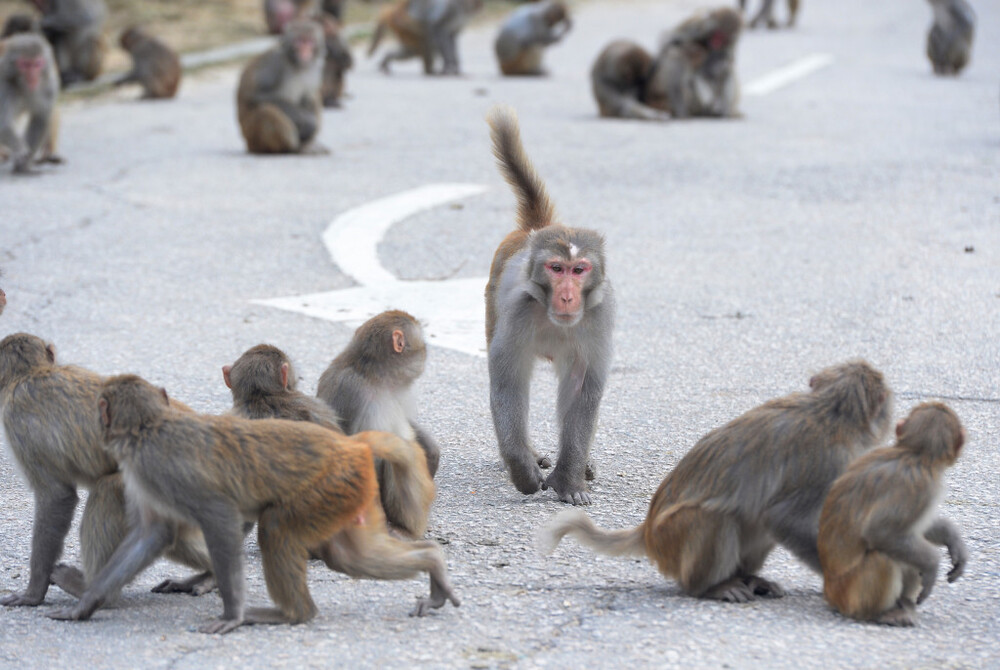
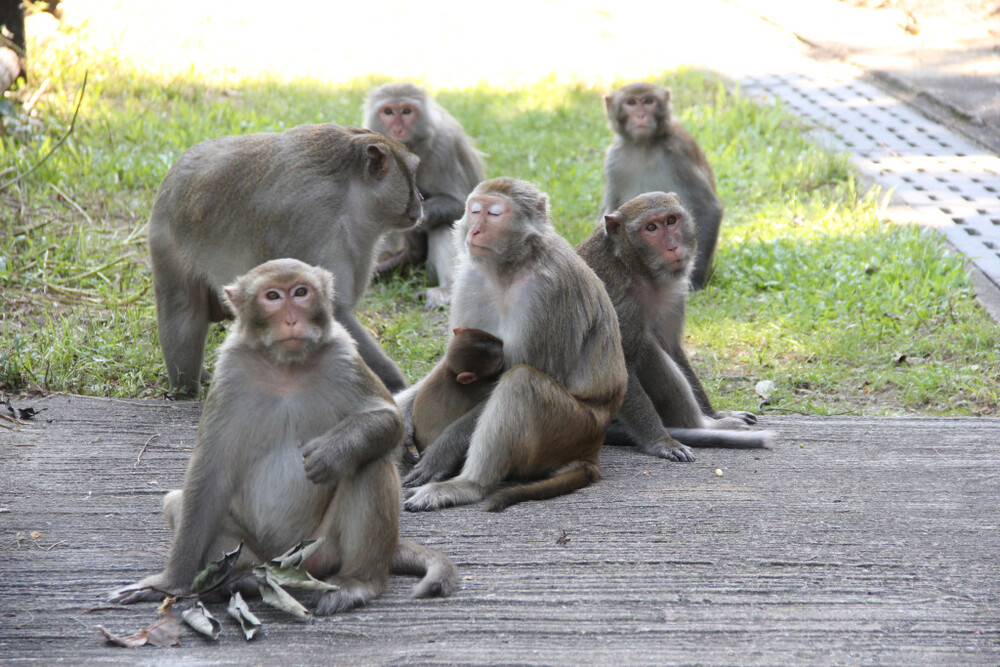
B virus is naturally carried in the saliva, urine and stool of macaques, which is a type of wild monkey commonly found in Hong Kong.
Infected persons may initially present with flu-like symptoms that may progress to infection of the central nervous system.
University of Hong Kong's microbiologist Ho Pak-leung said it is very rare for humans to contract the B virus. Only around 50 cases have been recorded worldwide since the virus was first identified in 1932.
He said about 40 percent of patients have died from the virus.
Ho added that the risk of contracting B virus is extremely low if one does not have wounds on their body.
Expert in infectious disease Joseph Tsang Kay-yan warned that once the B virus enters the central nervous system, the fatality rate could be as high as 80 percent. If the patients do not receive antiviral treatment in time, it might result in encephalitis and myelitis.
The Agriculture, Fisheries and Conservation Department reminds the public to avoid eating in front of monkeys and making direct eye contact with them, as this could be perceived as provocative behavior.
"When monkeys approach, one should slow down and keep an appropriate distance from them, and refrain from getting close to or touching them," the spokesman said. "In the event of being bitten or scratched by a monkey, immediate medical assistance should be sought."

Ho Pak-leung