Read More
Financial Secretary Paul Chan Mo-po will deliver the annual Budget on Wednesday amid mounting fiscal deficits and economic headwinds, with markets expecting the government to ease property curbs to boost the ailing sector.
ADVERTISEMENT
SCROLL TO CONTINUE WITH CONTENT
A struggling Chinese economy and geopolitical tensions between the mainland and the United States have hampered the economic growth in the city. At the same time, capital flight turned the Hong Kong stock market into the worst-performing major index last year.
Accounting firm PwC is projecting a fiscal 2023/24 consolidated budget deficit of HK$110 billion ($14.06 billion), while KPMG expects an even bigger HK$130 billion deficit, which would mark the second sizeable yearly deficit in a row.
In fiscal 2022/23, Hong Kong posted a budget deficit of HK$122.3 billion after taking into account the proceeds of HK$66 billion received from the issuance of green bonds.
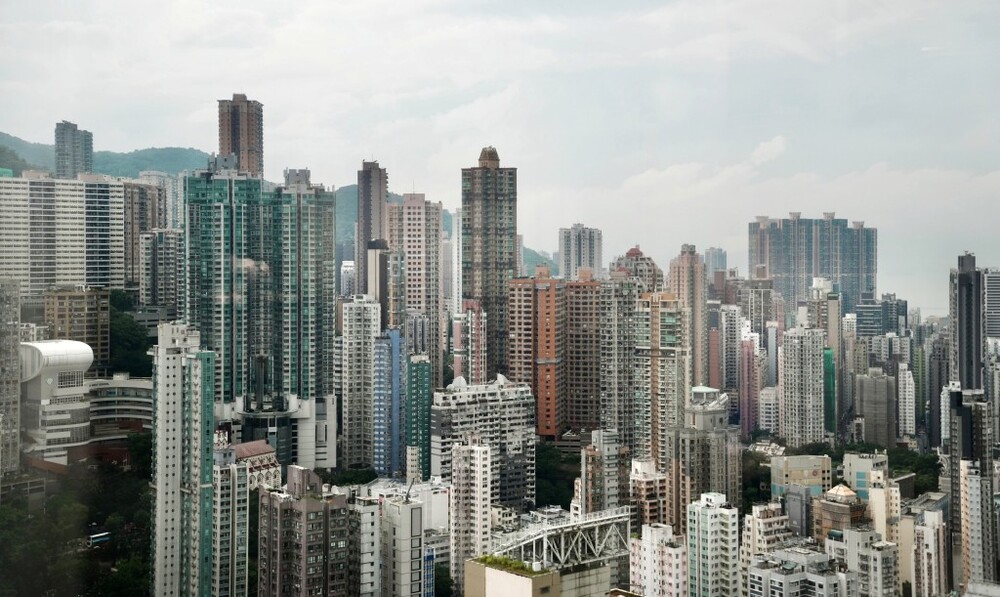
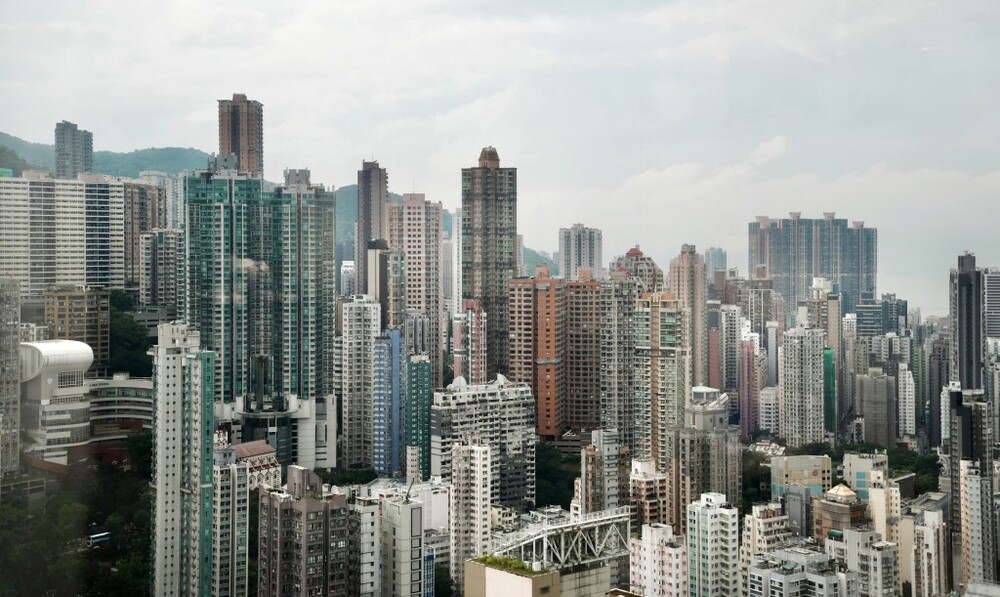
The government is expected to relax property stamp duties further as housing prices have plunged 20 percent since the 2021 peak, dragged down by fragile market sentiment and high-interest rates. Some analysts expect a further 10 percent drop this year.
Many realtors, businesses, and political groups are calling for a full elimination of additional stamp duties, including for second-home buyers and non-citizens, after the government's partial easing in October largely failed to boost sentiment.
They say these tightening measures, some introduced over a decade ago, are no longer appropriate.
In October, the SAR government halved the additional stamp duty for second-home buyers and non-citizens to 7.5 percent and a total of 15 percent, respectively, and allowed some homeowners to sell properties after two years, decreased from three years, without incurring hefty duties.
It also waived the additional taxes for foreign buyers unless they fail to gain citizenship after seven years in a bid to attract talent.
JPMorgan said most of the investors surveyed expected a lowering of rates in the additional stamp duty rather than a complete elimination.
Even with a full removal, the investment bank said it might only stimulate volume in the short term and would unlikely reverse the downtrend in home prices, as the property market is driven more by interest rates and investor confidence.
Hong Kong home prices, which remain among the world's most expensive, dropped 1.6 percent last month from the previous month, the ninth monthly fall in a row.
(Staff reporter and Reuters)
File Photo