Read More


Morning Recap - October 16, 2026
4 hours ago





Transport chief takes a back seat on fining transit nuisance behavior
14-10-2026 18:09 HKT



In response to disparities in the climate change issue, Oxfam launched the report ‘Climate Equality: A Planet for the 99%’. It made the case that the only ways to save our planet and guarantee the welfare of all people are by drastically reducing inequality, enacting transformative climate action, and fundamentally altering our society’s economic objectives.
The recent Oxfam report states that 16% of global carbon emissions are attributed to the richest 1% of people, equivalent to the emissions of 66% of the world’s poorest citizens.
The wealthiest individuals, businesses, and nations are wreaking havoc on the environment with their massive carbon emissions, while impoverished communities are bearing the disproportionate burden of climate disasters with negligible contribution to the problem.
How does climate change hit poor countries first?
Poor communities are more vulnerable to natural disasters like floods, droughts, and other climate-related problems due to the adverse effects of climate change.
“We observe how climate change affects poor communities when we work with them. For example, their food is being impacted, and their houses are being washed away,” stated Mustafa Talpur, Oxfam Asia’s Regional Advocacy and Campaigns Lead.
Using the flood disaster in Pakistan as an example, he made the point that if the problems of climate change are not addressed, it will be impossible to address the issues of poverty.
“Over 33 million people were impacted by the severe flood disaster that struck Pakistan in 2022. It appears from all estimates and statistics that these individuals have been forced into poverty,” Talpur added.
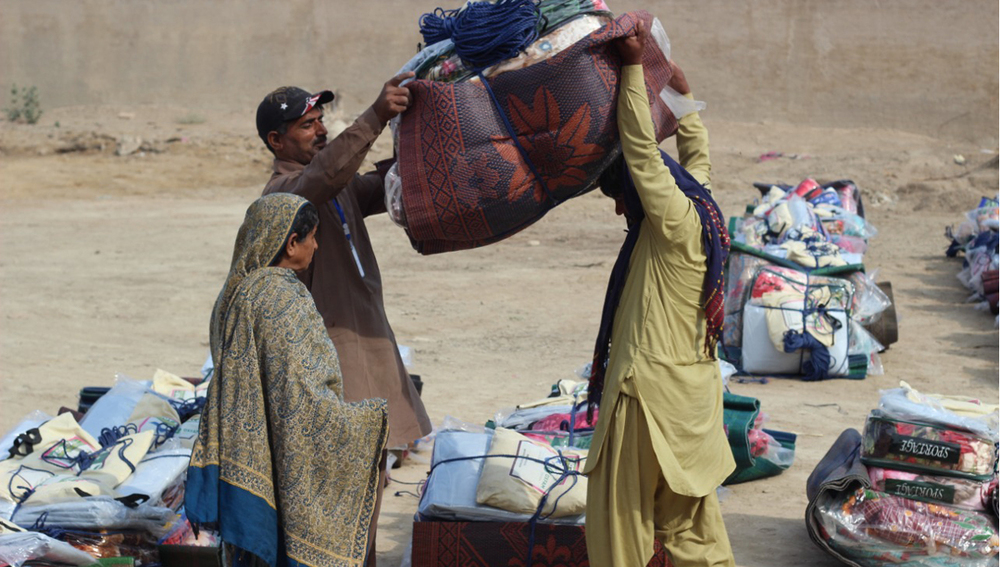
A total of EUR 230,000 has been secured in Pakistan through Oxfam Hong Kong in response to the flooding there. A total of 375,178 people were reached by the entire response, and OHK’s grant was used to provide winterization kits to 990 families that had been impacted by flooding, helping over 6,100 people.
Oxfam introduces various strategies to support poor countries
People in Nepal are dealing with drought, fires and flooding due to the extreme weather, and the community is experiencing a food crisis, damage to the properties and infrastructures, threaten to life and displacements due to droughts, fires, and flooding.
Considering that developing nations lack the resources to adjust to the effects of climate change, Oxfam’s Acting Country Director for Nepal, Nibha Shrestha, described how Oxfam helps developing countries experiencing dire circumstances.
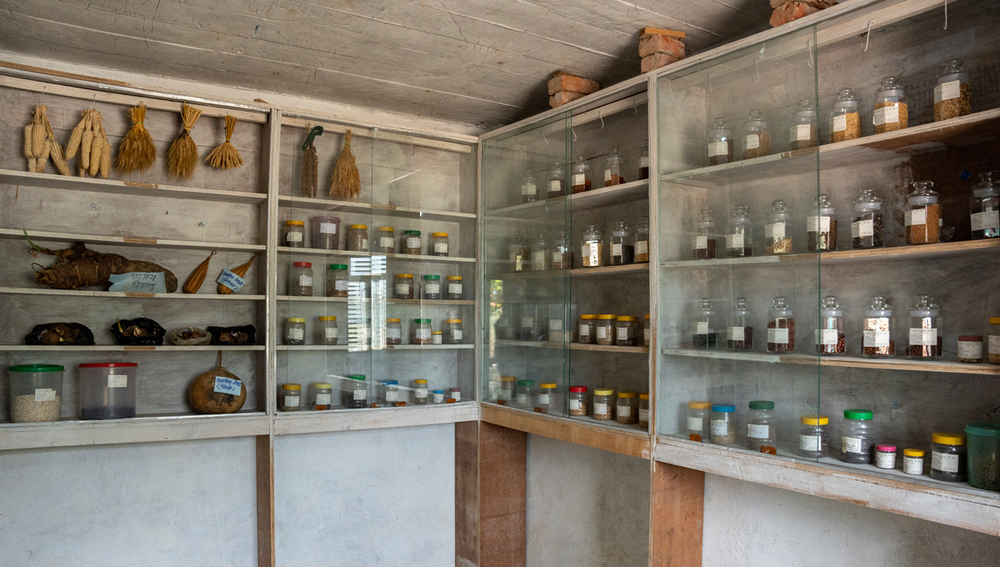
“To strengthen capacities to grow seeds that are adaptive to the climate and develop seed banks with the communities and the government to maintain seeds, we launched the Sowing Diversity= Harvesting Security (SD=HS) project.”
The project helps smallholder farmers in Nepal adapt to changing climatic conditions by developing seed varieties of climate-resilient crops and varieties whilst improving food and nutrition security.
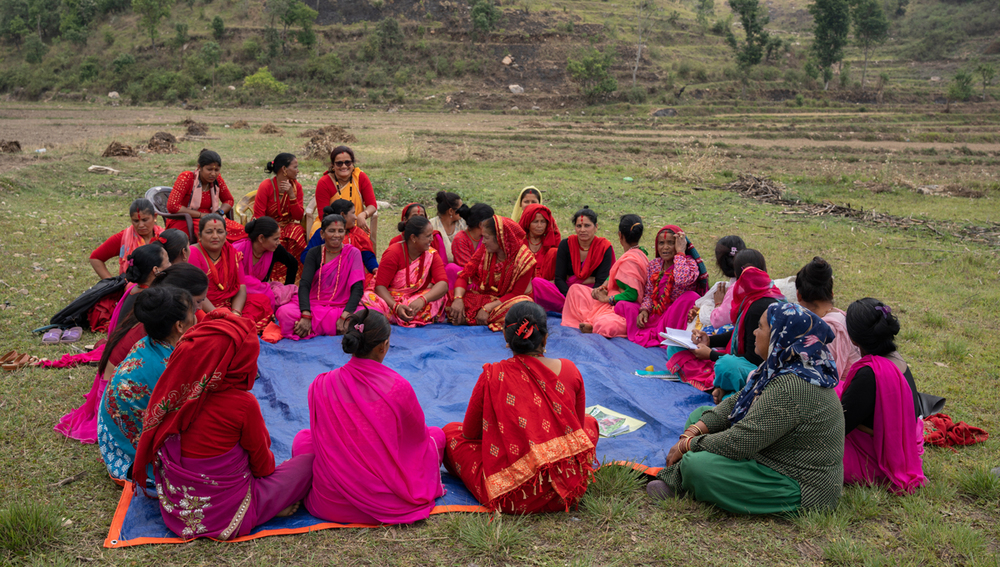
With financial support from SIDA, the SD=HS project has established Farmer Field School (FFS), where farmers learn by planting and studying new crop varieties on their farms. Through FFS, the project has been able to help farmers access and choose novel crops and varieties with diverse traits better suited for the changing climate. Besides, the Farmer Field School (FFS) emphasizes the participation of women and youth to strengthen their voices on using new seed varieties.
Furthermore, Oxfam’s assistance in Nepal also includes a significant component of pre-disaster preparation. Shrestha stated, “We also assess the community’s vulnerability and assist the local government in creating plans for disaster response and climate change resilience.”
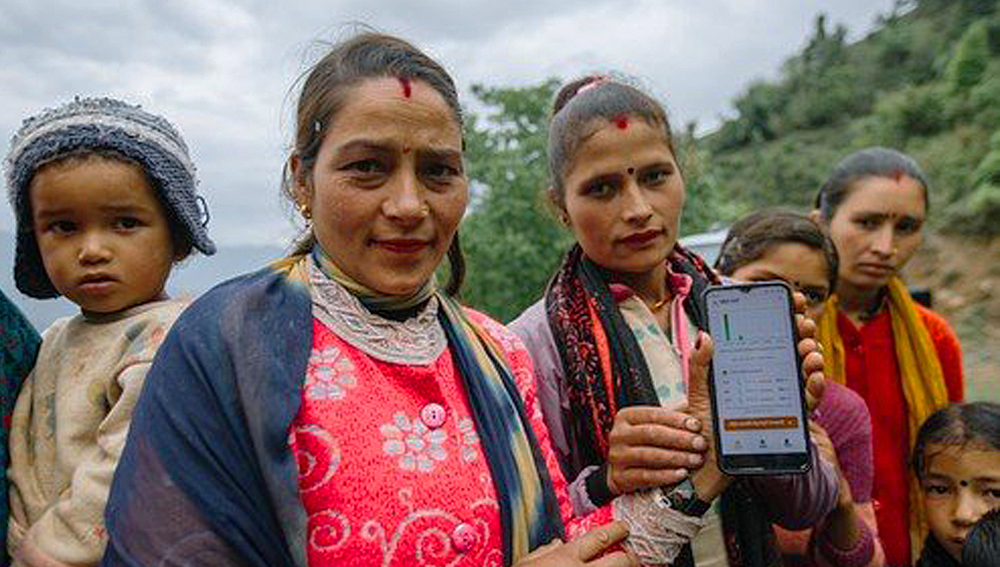
In addition, Oxfam created a mobile phone-accessible early warning system for landslides that will alert villagers when there is a high risk of landslides.
The importance of the super-rich’s dedication
According to the latest Oxfam report, the role of super-rich and wealthy people (the top 1% and 10% of income earners) in climate breakdown is critical to stabilizing our planet and ensuring a good life for all humanity.
“Those who are doing poorly are keeping that promise. However, the wealthy’s carbon emissions are 22 times higher than expected from the Paris Agreement through 2023, and they have already used up their budget,” Talpur continued.
The role of governments
To mitigate the effects of climate change, government actions are essential. As a response to the problem, Oxfam has started several initiatives and has called on governments to take immediate action by concentrating on reducing economic inequality, cutting carbon emissions, and shifting the focus of our economies to well-being.
Taxing the wealthy polluter is one of the most critical ways to close the gap between the super-rich and the rest of us, said Talpur. Governments could increase revenue through taxing, which they could use to fund renewable energy and climate adaptation solutions. Meanwhile, it can lessen the undue influence of wealthy people, enabling them to modify their lifestyles.
Furthermore, Oxfam recommends that governments swiftly and equitably discontinue using fossil fuels that are killing the planet. Various approaches are required for different nations to lower their carbon emissions, and developing countries can reduce their use of fossil fuels to meet their needs and grow economically.
Last but not least, governments must fundamentally shift the goal of our economies from individual well-being to planetary flourishing. According to Talpur, the current economic model is based on profit at the expense of poor people, the environment, and the earth. “We need to have new economic thinking, a new model that cares for people and the planet,” he emphasized.
Working together for future generations
Climate change will have an impact on all aspects of our planet. It also implies that both the rich and the poor will suffer.
“Rich people can now use their money to save themselves. But the entire temperature will change due to climate change, and the wealthy won’t have anywhere to hide,” Shrestha said.
“This is the call if they love their next generation.”