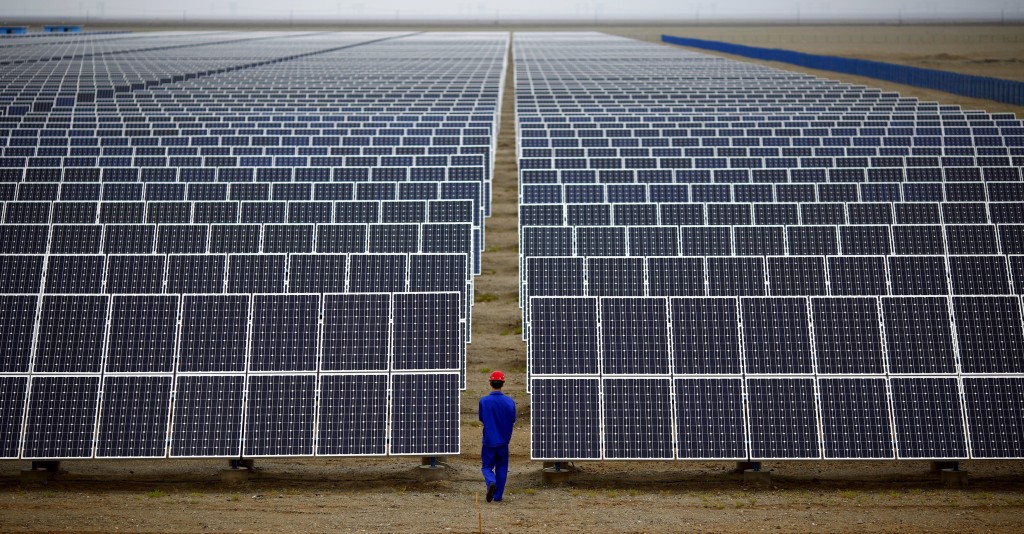
Picture an electric vehicle battery. It runs on the road, unassuming, enabling the commute day after day. Now imagine that same battery, after a long and faithful life, being transformed into black mass or repurposed into batteries storing energy from solar panels. That is the kind of alchemy I understand.
A few years ago, I started my own green energy firm specializing in solar technology. My golden rule? Never throw anything away that can be transformed into resource.
A retired EV battery is not waste; it is a concentrated source of valuable materials waiting to be extracted, refined, and given a fresh start. And that, dear reader, is the heart of the matter.
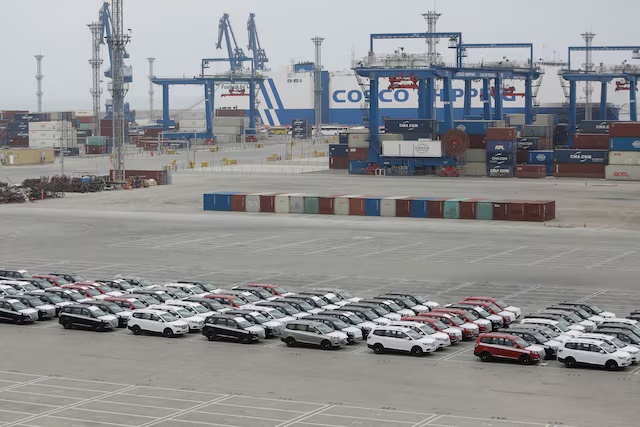
The landscape of Hong Kong’s automobile industry has changed dramatically. As of October 2026, the number of EVs on our roads has surpassed 180,000.
This is a testament to the government’s successful push for popularizing EVs.
However, with this progress comes a responsibility we cannot ignore. By 2030, we are projected to have over 6,700 tonnes of retired batteries annually. These batteries are not just hazardous chemical waste; they are a treasure trove of valuable resources like lithium, cobalt, and copper.
The government has recently announced the Producer Responsibility Scheme on EV batteries. Some may worry about the initial levy, which is, in fact, a carefully calibrated starting point, designed to be phased in gradually.
It is a small price for a system that guarantees responsible recycling, reduces our reliance on overseas processing, and strengthens our regional role in the Greater Bay Area’s green technology supply chain. As a trade, we should see the scheme as a competitive advantage. The scheme enables Hong Kong to offer a complete, responsible solution for EV ownership, from purchase to final disposal.
The most exciting part of this is the economic opportunity it unlocks. The scheme is expected to generate over HK$66 million in value added to Hong Kong’s GDP and create over 120 full-time jobs.
Coupled with the opening of Hong Kong’s first large-scale EV battery recycling facility in 2026, it is a game-changer.
Retired EV batteries can re-enter the recycling chain and be processed locally to recover valuable materials for reuse. This is the circular economy in action – and I urge the trade to get behind the scheme and help make it a success.
Jonathan Lamport is a Legislative Council Member (Commercial – First)