Read More





Will AI make me dumber? | Human Reinvented | Frank Ng & Ryan Ng
13-10-2026 05:00 HKT






Kim Jones to open first global flagship at Henderson's Central Yards in 2027
13-10-2026 20:13 HKT


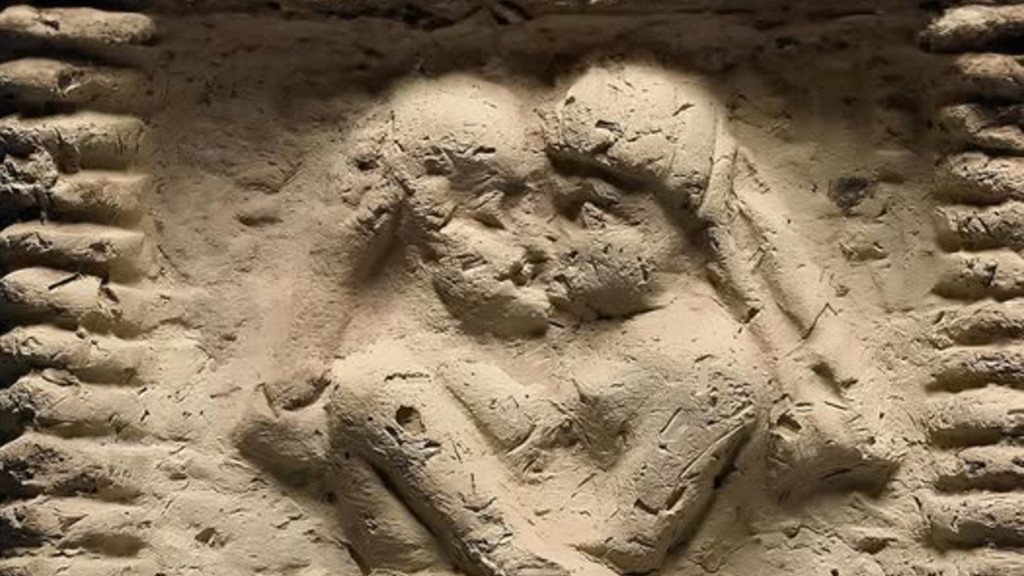
Long before modern romance, the human heart beat fiercely in the ancient Near East. Across the fertile plains of Mesopotamia and the sun-drenched sands of Egypt, early civilizations etched their deepest desires onto clay and papyrus, proving that love is a timeless, universal language.
In ancient Mesopotamia, romantic longing was beautifully intertwined with sacred traditions. For centuries, the biblical Song of Solomon was considered history’s oldest love poem, until archaeologists discovered the Love Song for Shu-Sin, written around 2000 BCE.
Although originally recited by a priestess during sacred fertility rituals to ensure the land’s prosperity, the clay tablet reveals a woman’s raw, passionate, and earthly devotion. It is a deeply personal confession of a bride captivated by her king:
"Bridegroom, let me caress you, My precious caress is more savory than honey, In the bedchamber, honey-filled, Let me enjoy your goodly beauty, Lion, let me caress you, My precious caress is more savory than honey."
Centuries later, around 1300 BCE, the ancient Egyptians captured a different, yet equally enchanting, shade of romance. Echoing the legendary devotion Pharaoh Ramses II held for his beloved Queen Nefertari, secular poetry from the New Kingdom reads like an artist admiring a masterpiece. In these surviving poems, the lover reveres his sweetheart's unique beauty with starry-eyed admiration, comparing her to the rarest precious gems and the sun:
"Most beautiful of all! Rising like the morning star, At the start of happy year, Shining bright, fair of skin, Lovely the look of her eyes, Sweet the speech of her lips, She has not a word too much.”
Placed side by side, these texts weave a tapestry of human emotion. While the Mesopotamian song pulses with the trembling warmth of physical longing, the Egyptian poem presents a deeply romantic adoration of a soulmate. Together, they whisper a comforting truth across millennia: empires fall, but the breathtaking experience of falling in love remains unchanged.
Amjad Refai is the director of the Arabic Programme at the University of Hong Kong