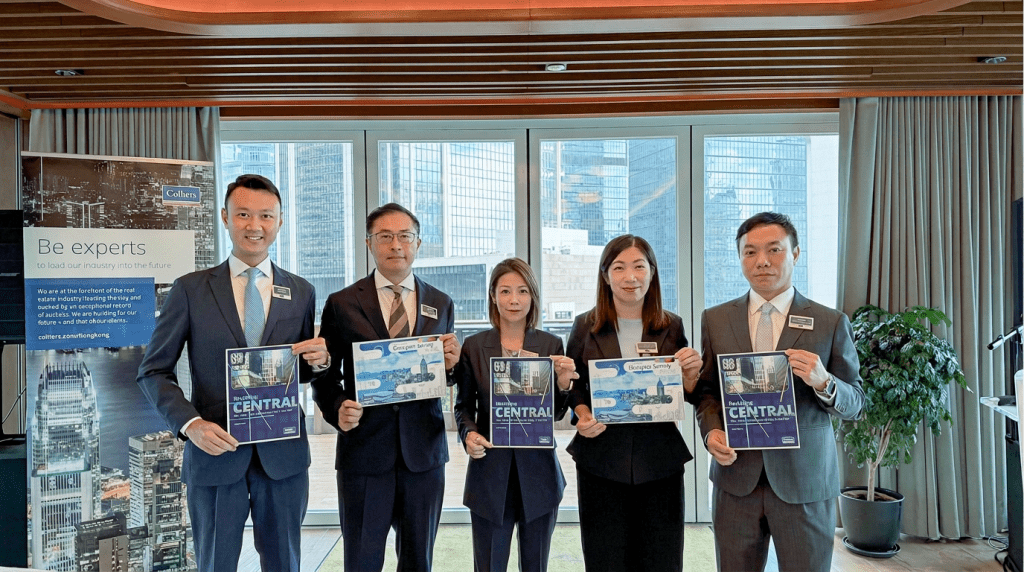
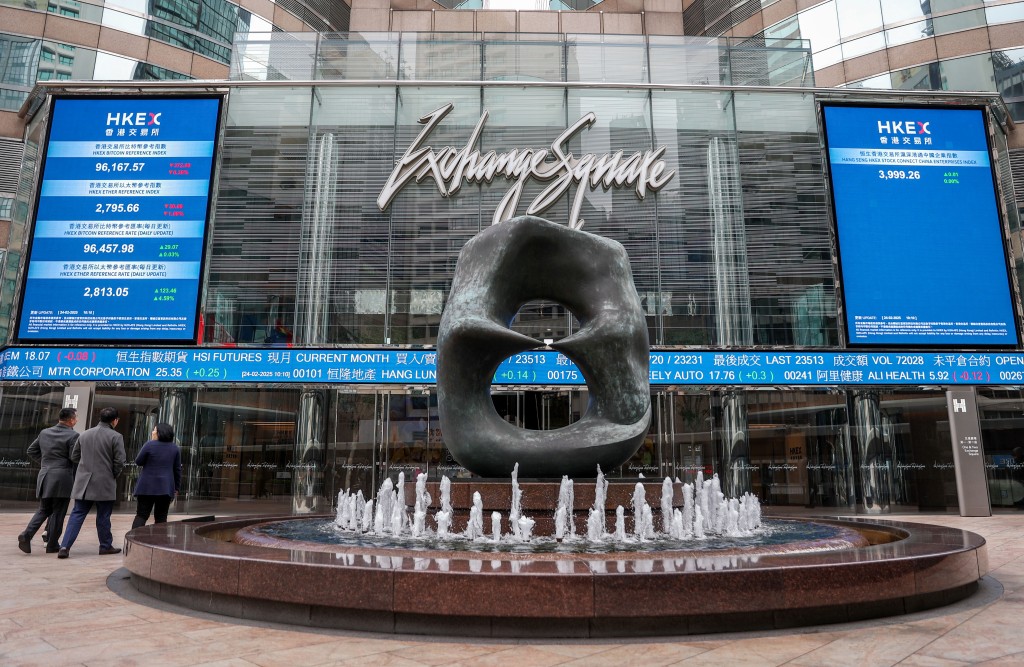
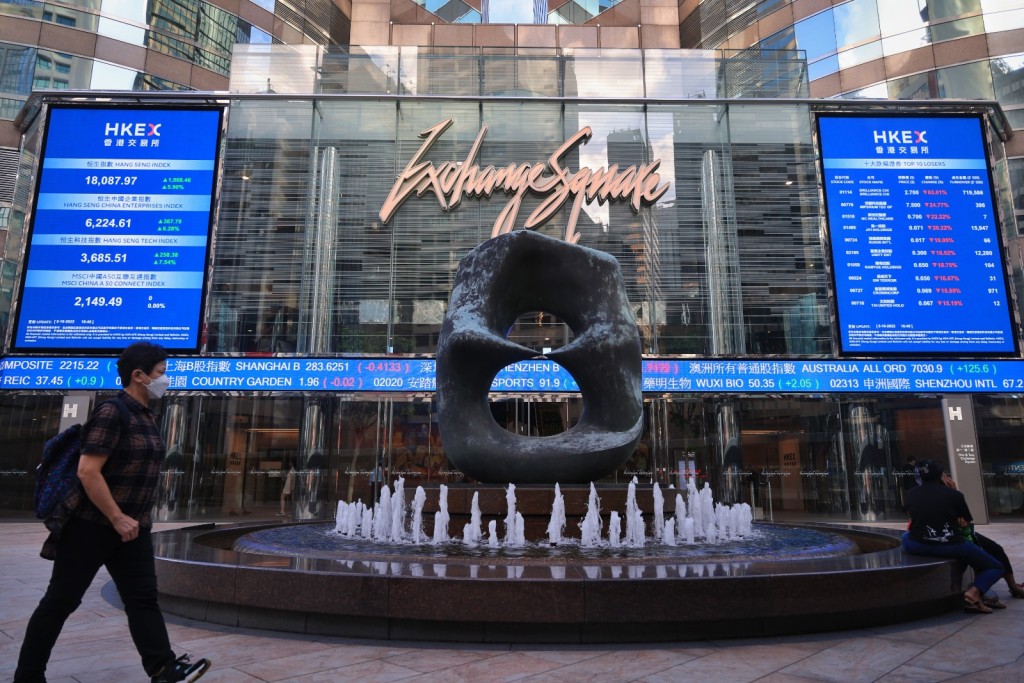
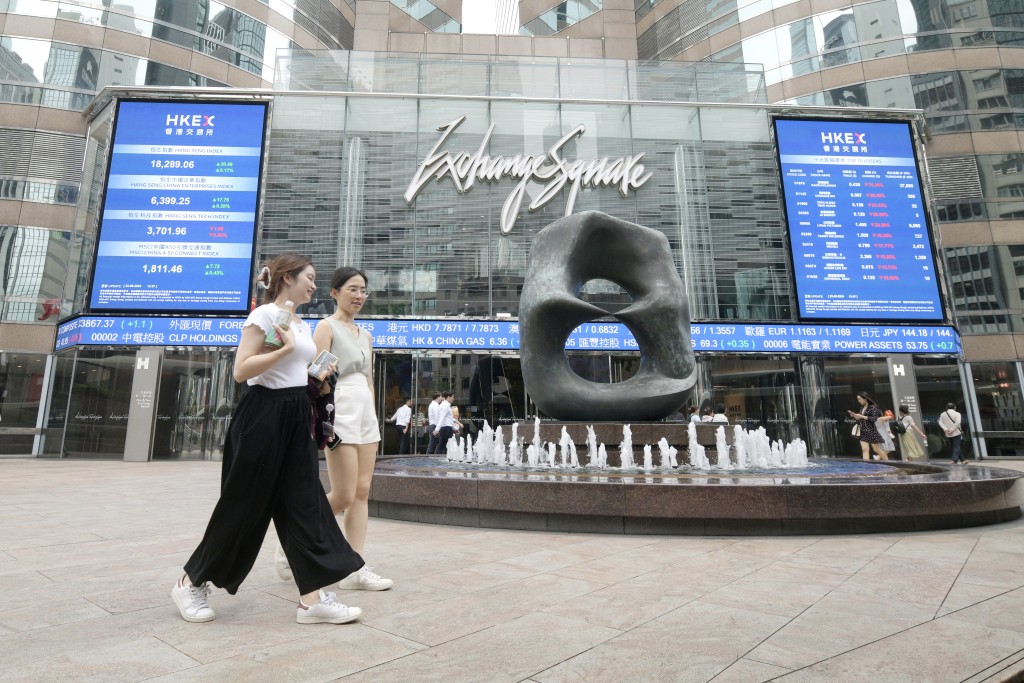
Central offices’ vacancy rate fell from 15.1 percent in December 2024 to 9.9 percent in August, outperforming the broader market, but polarization is widening between newer and ageing buildings in Central, as well as with higher-vacancy non-core areas, according to Colliers’ latest report.
Central’s ageing stock could reach about 75 percent by 2032 and become less competitive, as the report noted that an estimated 60 percent of Grade A office space in Central is already at least 30 years old. Tenants will weigh older buildings against newer standards for building systems, lifts, digital infrastructure, sustainability, and amenities.
Colliers recommends the government consider increasing land supply in Central after it stopped selling commercial land in October 2023, given the market was suffering from a high vacancy rate, said Kathy Lee, head of research and retail consultancy at Colliers.
On Central office market recovery, the report said it was driven by the rebound in capital markets – 119 new listings that drew HK$285.8 billion in fundraising in 2025, a 231 percent rise year on year – as well as expansion of financial services firms and growing take-up of premium office buildings. Rents also remain below their 2019 peaks – 37 percent lower in the Central district.
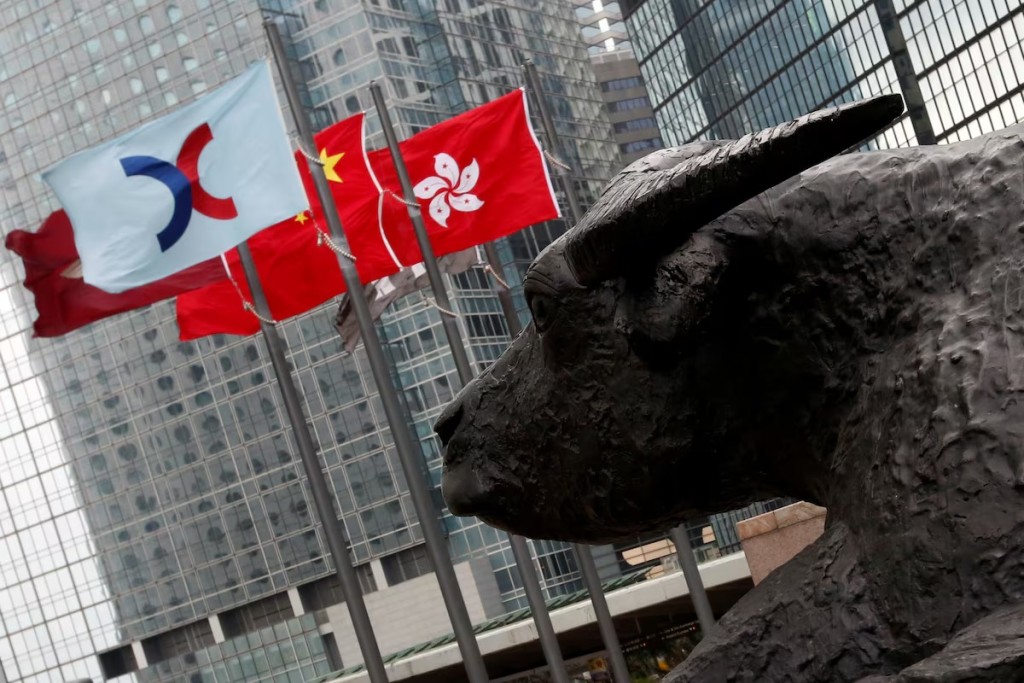
It highlighted that major occupiers such as Hong Kong Exchanges and Clearing (0388) and DBS Bank (Hong Kong) took up 299,000 square feet of space off the market. The government’s plan to expand Hong Kong’s gold and commodity hub, backed by a half-rate tax concession, also drives fresh premium demand.
Meanwhile, Colliers’ fourth annual Hong Kong Occupier Survey 2026 indicates that business confidence has returned to positive territory – 41 percent of respondents expect business conditions to improve over the next 12 months, while only 16 percent anticipate a deterioration.
The survey found that 35 percent of respondents plan to increase headcounts, while only 20 percent are considering office expansion. Professional services, banking and finance are the sectors most likely to expand, highlighting a growing disconnect as many firms absorb growth within existing space through more efficient utilization and evolving workplace strategies.
Leasing activity remains predominantly renewal-led, with 68 percent of occupiers intending to renew in their current building, and tenants in Tsim Sha Tsui and Kowloon East most likely to stay put when their leases expire. Colliers said retaining tenants depends as much on service, flexibility and targeted upgrades as it does on rent.
Lee noted that these non-core areas are seeing selective expansion from insurance firms and professional services, though they reported a vacancy rate of around 23 percent, higher than in Central core areas. But Collier expects reductions in new office supply through 2029 could provide some relief across the market once broader economic conditions improve.
She added that while core districts retain their competitive edge, a more balanced recovery will hinge on diversified demand beyond finance and a gradual absorption of available space in non-core markets.