Read More











Whether or not this should be a cause for envy is a matter of individual opinion.
No one can deny that Hong Kong stocks are currently among the worst performing in the world.
By the same token, policy makers whose acts make a huge difference to the city's economy may also be set against certain performance indicators.
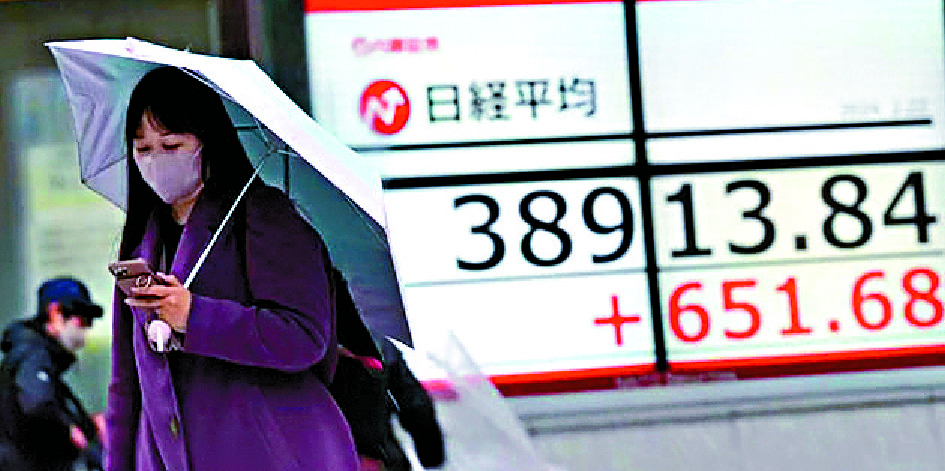
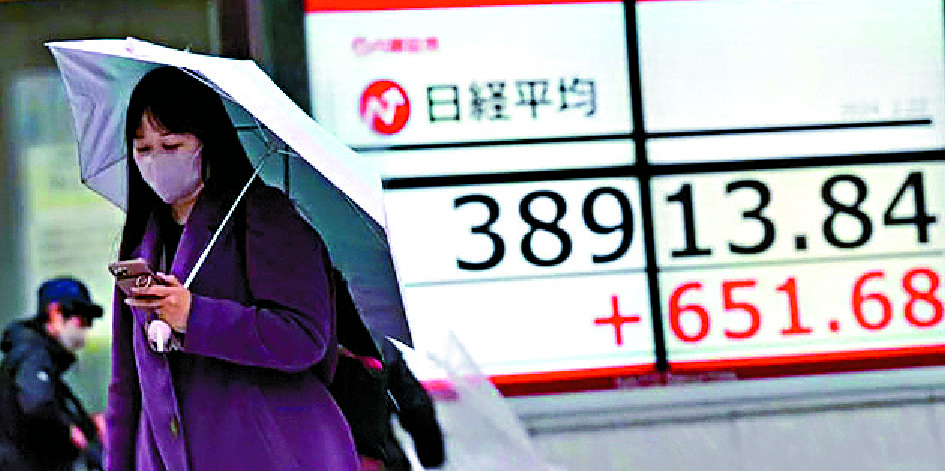
In Japan's case, it has been a protracted wait for the Japanese to see the euphoria return.Since the bubble burst 34 years ago after the Nikkei index hit a record high of 38,915 on the last trading day of 1989, the country had been in a state of desolation, with its population struggling to cope with a sluggish economy.
The Nikkei continued to fall, not hitting the bottom until 2009.Economists are able to say these days that, during the period, Japan's officials learned from past mistakes and initiated a campaign to strengthen corporate governance to improve the fundamentals, including corporate balance sheets, operating margins and asset efficiency.
It is also thought that it would have required a longer time for the stock market in Tokyo to return to its previous high if capital - especially new capital - had not shunned the markets here and in the mainland recently.New capital has to go somewhere, if not to Hong Kong or mainland China.
Indonesia, Japan, Taiwan and Singapore have all benefited from such inflows - as an old saying goes, someone's woes can be another's blessing.Obviously, the SAR's officials must make greater efforts to make good stories happen in addition to speaking good about them.
In every crisis, there are opportunities - but only if someone knows how to seize them.As no one should be too pessimistic about the future, one must also not be excessively optimistic about it and should keep matters under review so that timely remedies can be made to keep things on the right track.
Setting key performance indicators can be a useful approach.As MPF managers charge clients fees, should the fees be also linked to the Hang Seng Index in addition to returns?
At the same time, should the policy makers' compensation be linked to economic data such as the Hang Seng Index, gross domestic product, employment rate and inflation rather than referring to the salaries of private sector employees since the public-private comparison is not exactly one of apple to apple?