Read More












The reasons for the reports generating such interest are sound.
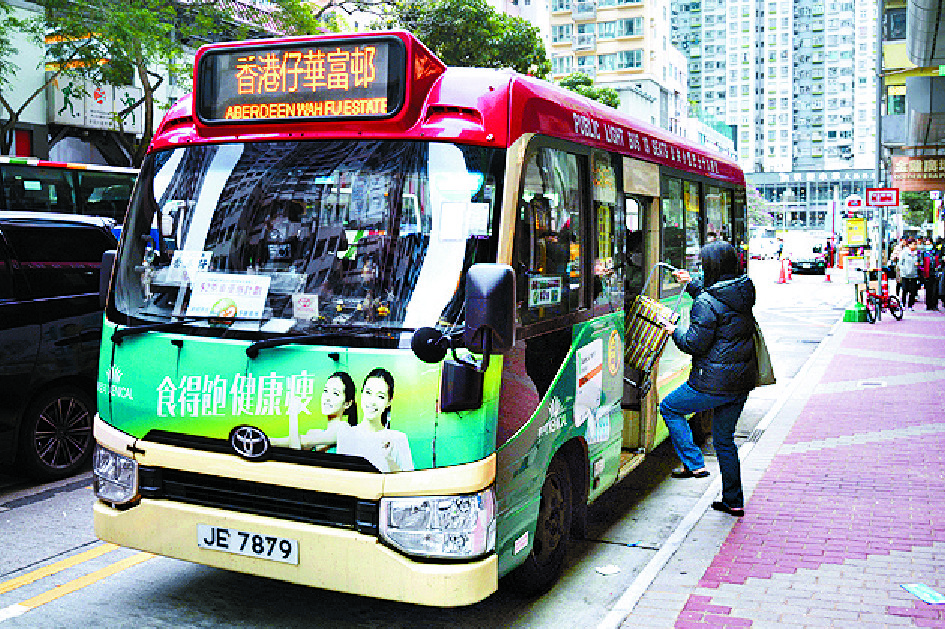
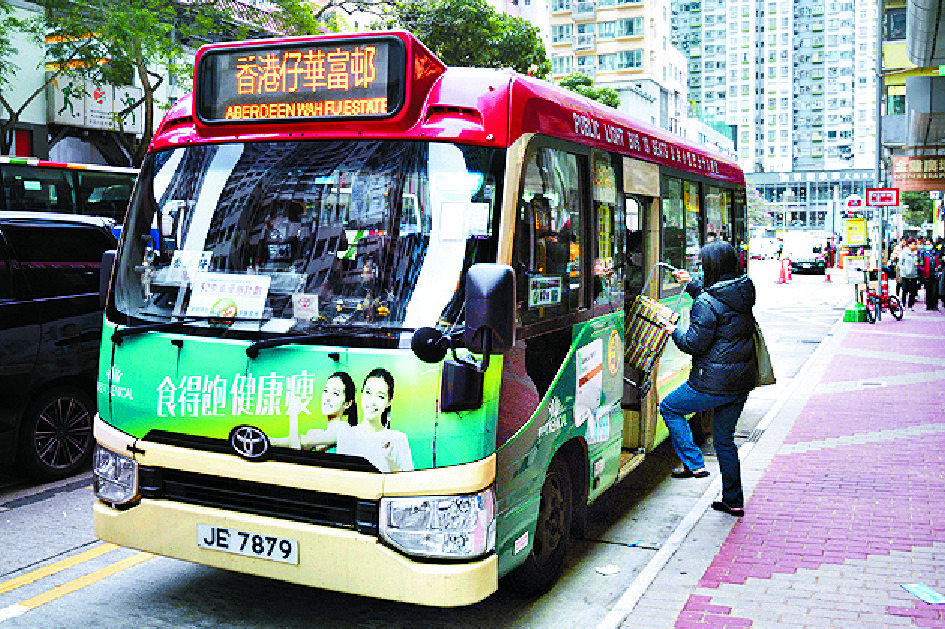
According to the Transport Department, the number of PLBs is capped at 4,350.
The rest - commonly known as red minibuses - are used for non-scheduled services.
When the world was saturated with quantitative easing money after the financial crisis in 2008, inflows of hot money inflated all kinds of assets, from residential and commercial properties to commercial vehicle licenses, including PLBs.The market value of a PLB license hit a high of more than HK$7.5 million in 2011.
Let us make a bold assumption. If all licenses were used at the time to secure commercial loans for an average of HK$5 million per license, banks and lenders could be facing a risk exposure of over HK$21 billion.That may be a minor sum for the banking sector, but it can be an enormous amount for certain lenders specialized in financing the trade.
The Hong Kong Taxi and Public Light Bus Association was quick to state that banks were not taking the initiative to call the loans but only resorting to repossession against borrowers who failed to repay debts according to schedule.It said minibus owners need not worry about being forced to clear debts early as long as they continued to repay their borrowings on time.
The association made a credible comment. Common sense says it is not in the best interest of lenders to repossess vehicles that are basically worthless but would require expensive storage space.Unless the value of the license rebounds, lenders could face substantial losses. It can be imagined that, if the value of PLB licenses continues to fall, the risk of bad debts could increase simultaneously. Only when the economy improves will a solution be found.
Could taxi owners face similar problems?It has been reported that the market value of an urban taxi license has plummeted from a high of more than HK$7 million to just above HK$3 million.
The situation of taxi owners may be slightly better since PLBs - especially the red ones - face keener competition from an expanded railway network.For example, a formerly busy PLB route from Wan Chai's Lockhart Road to Sheung Shui has ceased to operate since the MTRC enhanced connections between the two districts.
So will red minibuses - a lingering form of public transport from the old days - fade into history during this economic slowdown? It is a valid question.