Read More
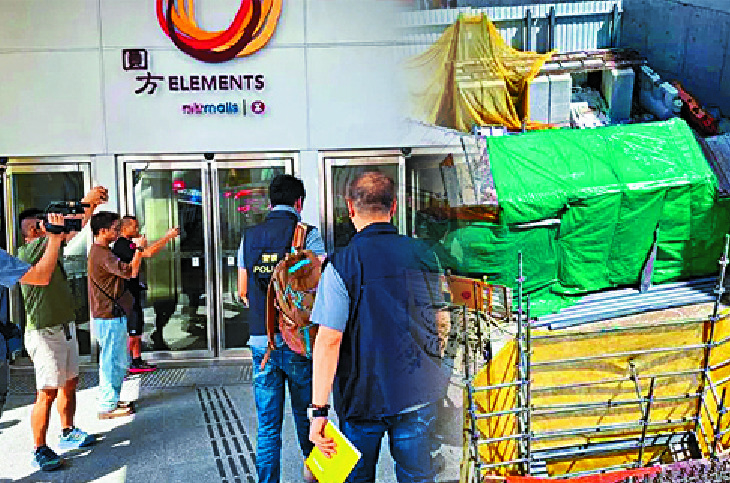
It was obviously an instance of oversight - or negligence - when no one on the ground of a West Kowloon site knew two of their colleagues working underground had been missing until a day later.
ADVERTISEMENT
SCROLL TO CONTINUE WITH CONTENT
The two workers, aged 61 and 63, had been doing maintenance to a cooling system under MTR Corp's upmarket shopping mall Elements but did not make their way to the surface.
Their bodies were found inside a tunnel six meters below ground the next morning.
This was just the last incident following a number of tragic cases in which workers in a precarious environment never saw the light again.
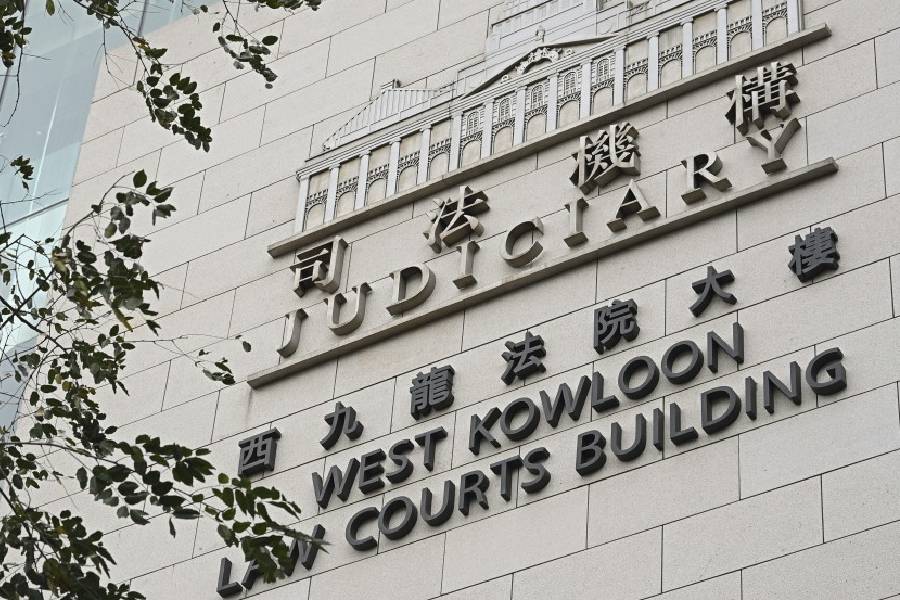
It was also because of such an increase in fatalities that the Legislative Council passed amendments to the Occupational Safety and Health Ordinance earlier this year.
This drastically increased the penalties for industrial safety violations to a maximum of HK$10 million in fines and two years in prison for indictable offences in incidents considered extremely serious.
The need to toughen the penalties may be viewed as the outcome of a catalog of serious industrial safety breaches over the years, otherwise, labor officials would have unlikely sought higher penalties.
Yet the deadly incident that occurred under Elements was the most shocking of all in recent memory.
Siu Sin-man, of the Association for the Rights of Industrial Accident Victims, was not alone when she raised the basic question: why was no one aware that the two men had not come out when others left the site for the night?
Basic safety rules require that someone must be positioned near the entrance and communicate constantly with colleagues working inside closed areas or underground while helping to monitor the environment, including gas concentration.
However, according to reports available so far, this safety requirement seemed to have not been followed as it appeared that nobody was nearby to keep communicating or monitoring the underground situation from above throughout the period.
It also appeared that no one seemed to know that two of their colleagues were still underground before the entrance to the underground cooling infrastructure was locked.
One staff member realized that something was amiss only after a family member of one of the two workers reported them missing the next morning.
By then, the crucial hours for rescue were long past - which was both tragic and totally absurd.
Perhaps the families should have called 999 after having been unable to contact the victims' supervisor for the evening as they began to feel that something may have gone seriously wrong.
It is hard to understand why they waited at least 24 hours before contacting the emergency department to report a missing case. If it is reasonable to believe someone is in danger, they should pick up the phone immediately.
The police's serious crime unit has joined the investigation as the Labour Department continues its probe.
It is for good reasons that the law has been tightened to drastically raise the penalty ceilings to increase the deterrence.
However, unless there is a corresponding increase in safety awareness within the industry, similar tragedies are bound to recur.