
Read More
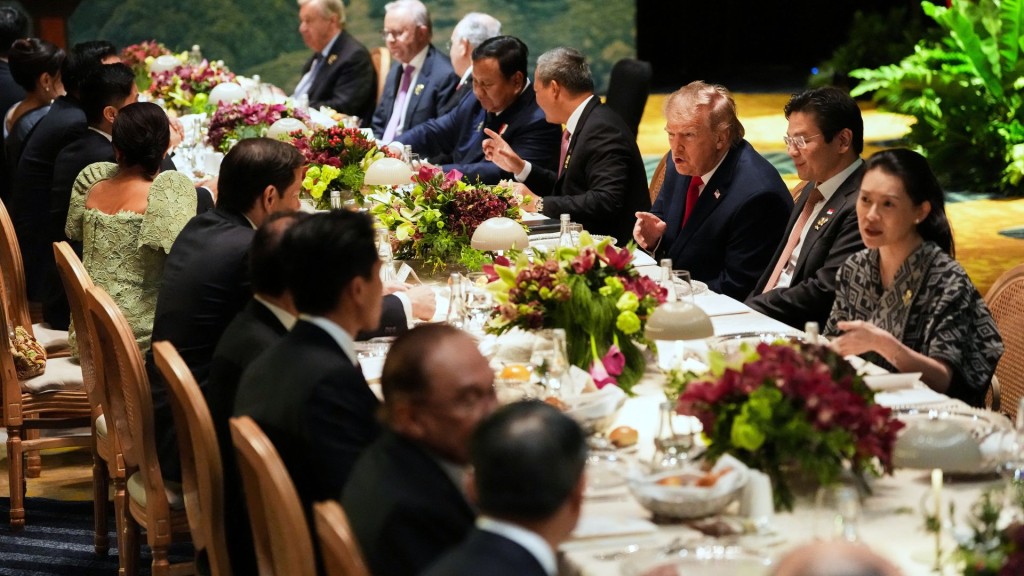
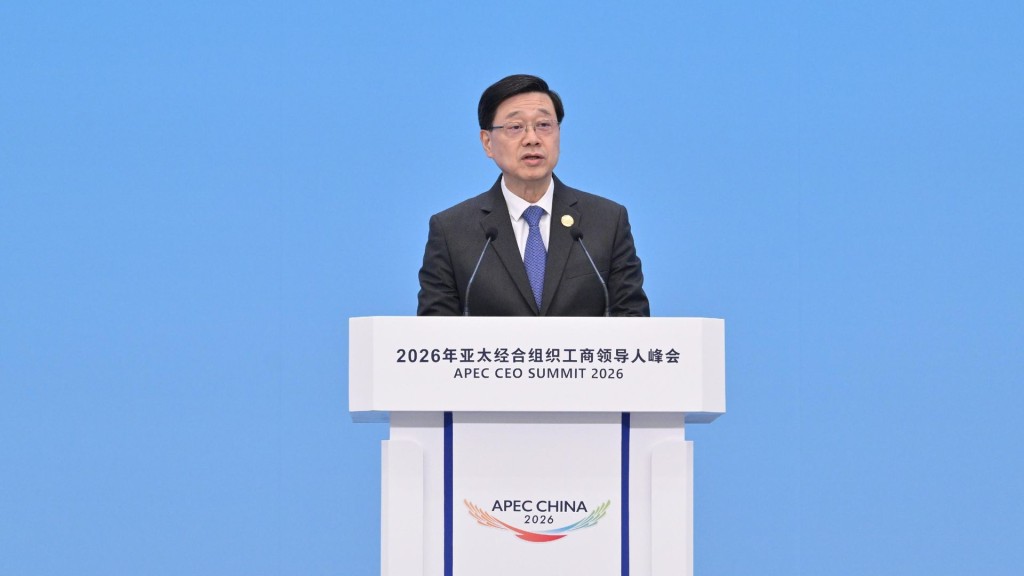
At the Asia-Pacific Economic Cooperation CEO Summit in Shenzhen, Chief Executive John Lee Ka-chiu delivered a timely message: Hong Kong stands ready to connect capital, ideas, and opportunities in an increasingly fragmented world. Lee’s remarks come at a critical juncture. As Washington tightens its export controls on advanced artificial intelligence chips, creating profound anxieties across the global tech sector, Hong Kong can leverage its APEC membership to defend and diversify its role as the region’s premier supply chain hub.
ADVERTISEMENT
SCROLL TO CONTINUE WITH CONTENT
A resilient trade matrix
The recent resilience of Hong Kong’s export sector offers a masterclass in strategic adaptability. Driven by the global AI boom and the “China Plus One” manufacturing shift, Hong Kong’s total exports skyrocketed by 42.5 percent year on year in the first eight months of 2026. Crucially, many of the export destinations driving this massive spike are represented at this week’s Shenzhen summit.
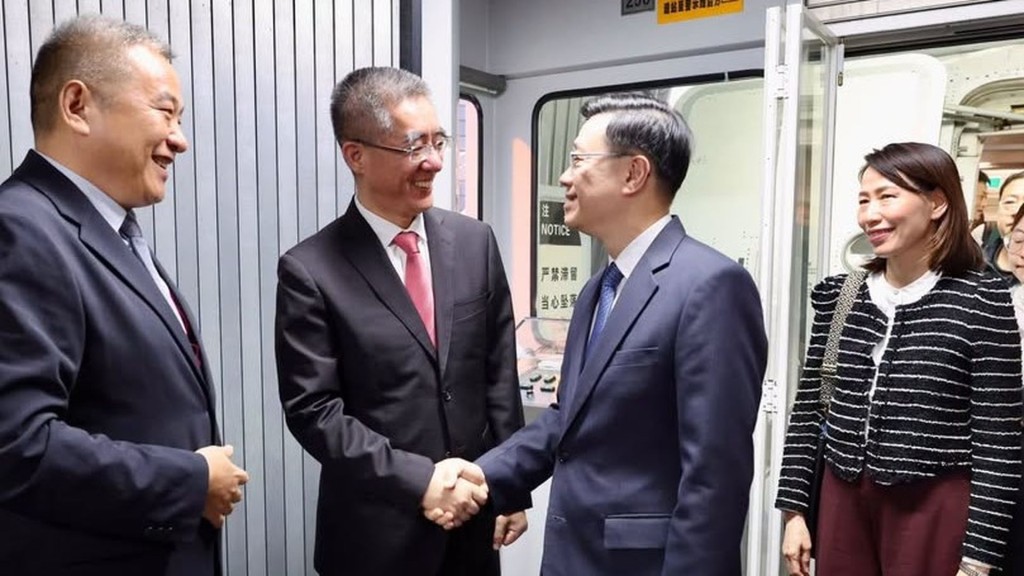
During the event, Lee notably met with Vietnamese President To Lam and Thai Prime Minister Anutin Charnvirakul. The economic synergy driving these bilateral dialogues is undeniable; Hong Kong’s exports to Vietnam recently surged by a staggering 52.9 percent to hit US$25.5 billion (HK$199 billion), while September shipments to Thailand skyrocketed by 118 percent, cementing both nations as pivotal nodes in the region’s reorganized supply chains. This momentum extends well beyond these two hubs, evidenced by massive export spikes to Malaysia by 131.5 percent and trans-Pacific partners like Mexico by 148.1 percent.
While the looming threat of the United States’ curbs over advanced technology remains a severe headwind, Hong Kong must treat this intensifying scrutiny as a catalyst to broaden its trade horizons. To deepen these trans-Pacific arteries, the city should diversify its transshipment portfolio well beyond sensitive silicon. By anchoring its logistics network around intermediate manufacturing goods, new energy vehicle components, and cross-border e-commerce – the true engines of Asean and Latin American industrial growth – Hong Kong can construct a highly resilient trade matrix.
Financing the new frontier
Beyond merchandise trade, APEC provides the perfect platform for Hong Kong to pitch its unparalleled expertise in future-facing sectors, primarily the digital economy and green financing. The geopolitical reality is stark: The severe oil shocks triggered by the Iran war have forced economies around the Pacific Rim to frantically accelerate their transition away from fossil fuels. This urgency requires immense capital.
Having successfully hosted the APEC Finance Ministers’ Meeting just last month, Hong Kong is uniquely positioned to act as the primary funding conduit for the region’s green transformation. By issuing green bonds, providing project-preparation facilities, and unlocking commercial financing for climate-resilient infrastructure, Hong Kong can bankroll the region’s clean energy shift.
Simultaneously, the digital economy presents a massive frontier. As global supply chains intertwine with accessible technologies, APEC economies desperately need secure, resilient digital infrastructure and inclusive finance frameworks. Hong Kong’s sophisticated fintech ecosystem, deep liquidity pools, and alignment with international regulatory standards allow it to help developing APEC members build robust digital payment networks and cross-border financial links, thereby cementing its role as the digital command center for regional trade.
To survive the descending Silicon Curtain, Hong Kong must rapidly evolve. By intertwining itself with the Global South through high-value trade services, underwriting the region’s green energy transition, and leading digital economy financing, the city can guarantee its indispensability in the supply chain order beyond US curbs.