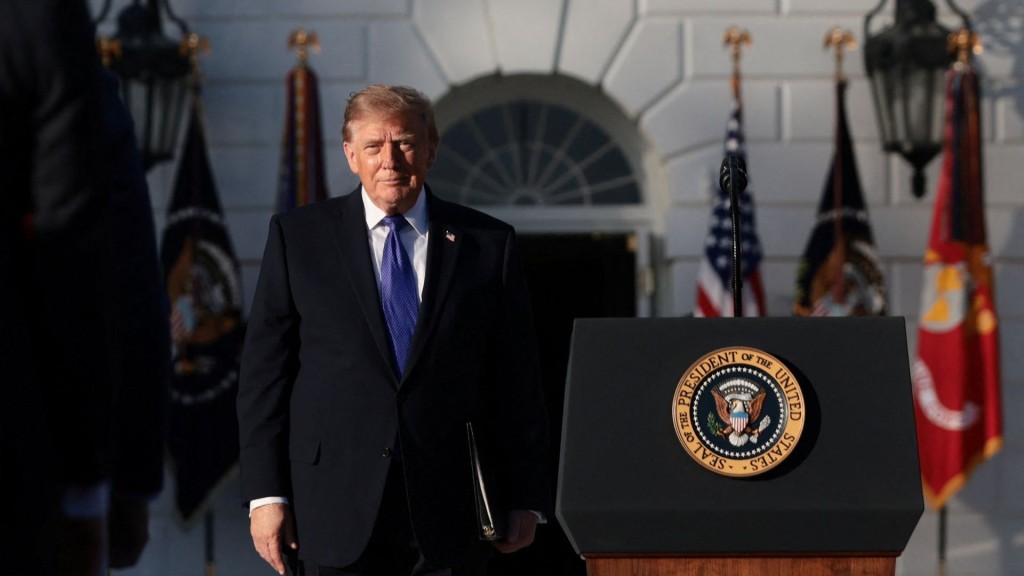
US President Donald Trump pledged on Saturday to secure a "permanent" nuclear agreement with Iran that future American administrations could not overturn, describing Tehran's current leadership as the product of an "ultimate regime change".
Speaking in a telephone interview on Fox News' *Saturday in America with Kayleigh McEnany*, Trump acknowledged that reaching a diplomatic settlement remains challenging amid ongoing conflict and fears of renewed fighting following the November midterm elections.
"We make a deal, and then they break the deal the next day," Trump said, characterizing Iran's current leadership as "probably ... more reasonable" than its predecessors, yet still "very, very difficult" to negotiate with.
Trump argued that his administration had already dismantled two successive Iranian leadership groups and was now dealing with a "third group," which he described as "the ultimate regime change". He added that any agreement he reaches would permanently block Tehran from acquiring a nuclear weapon, regardless of who occupies the White House in four, 15, or 20 years.
During the interview, Trump also claimed credit for ending eight wars, noting that Nobel Peace Prize laureate Maria Machado had presented her award plaque to him.
Warnings over fuel prices and 'dirty bomb' claims
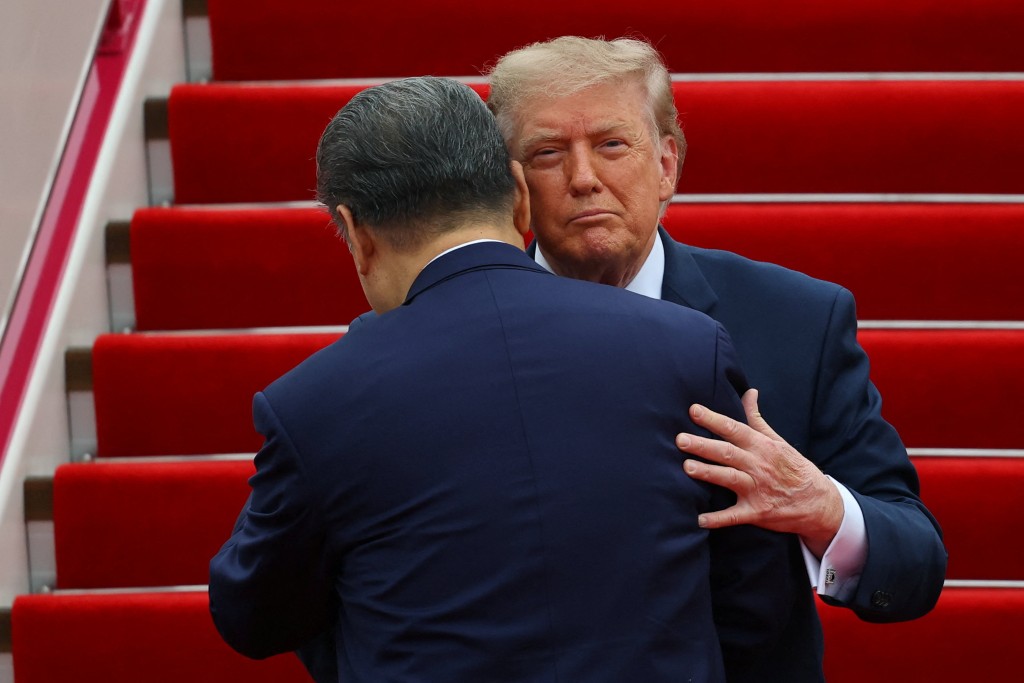
The remarks followed a Friday press conference after Trump's return from China, where he blamed Tehran's refusal to accept his terms for elevated global fuel prices.
"They want to make a deal, but they don't want to make a deal that's acceptable to me," Trump told reporters, insisting Washington was seeking a "real deal" rather than what he dismissed as decades of deceptive negotiations.
Addressing unverified reports that Tehran is developing a "dirty bomb" to target Washington, Trump warned that US intelligence was closely tracking Iranian activities and would not allow such a weapon to be built. Iranian officials have dismissed the allegations as baseless claims fabricated for political and military purposes.
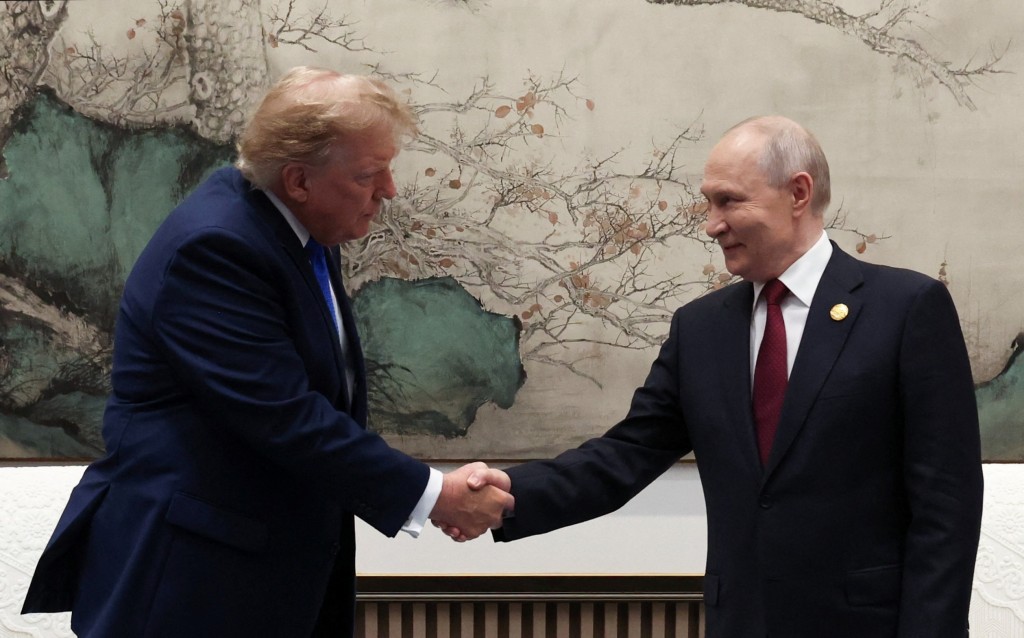
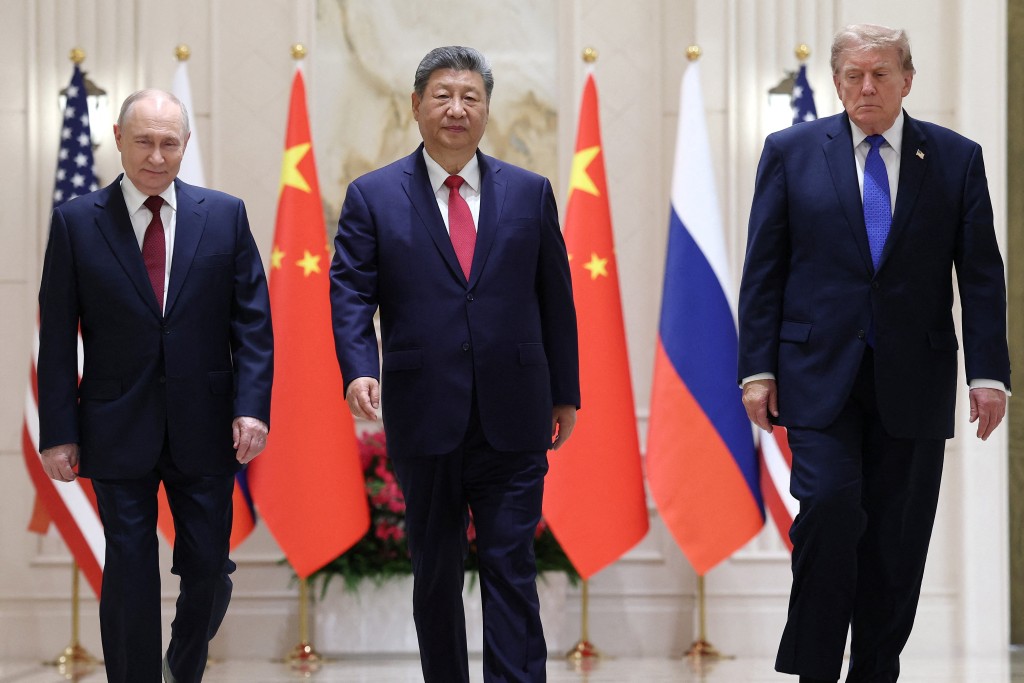
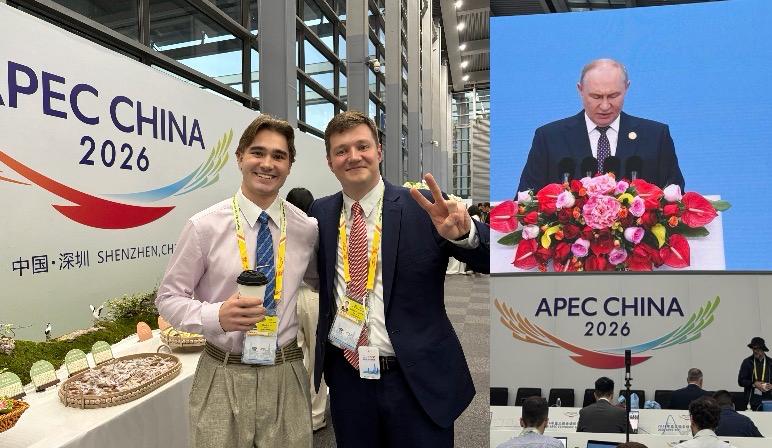
Trump's press conference came on the heels of an unprecedented trilateral meeting with Chinese President Xi Jinping and Russian President Vladimir Putin on the sidelines of the APEC summit in Shenzhen, where the three leaders issued a joint declaration affirming that a nuclear war must not be fought.
Reuters