
Read More
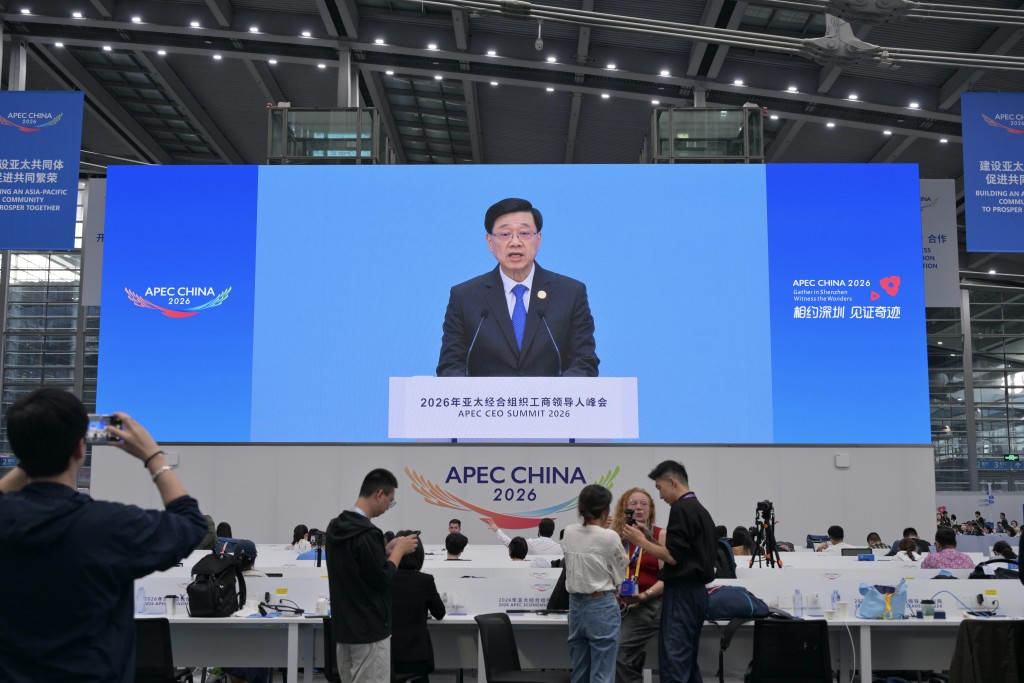
Foreign journalists are in the spotlight during APEC 2026 Economic Leaders’ Week, with nearly 5,000 reporters from around the world gathered at the 15,000-square-meter media center in the Shenzhen Convention and Exhibition Center.
ADVERTISEMENT
SCROLL TO CONTINUE WITH CONTENT
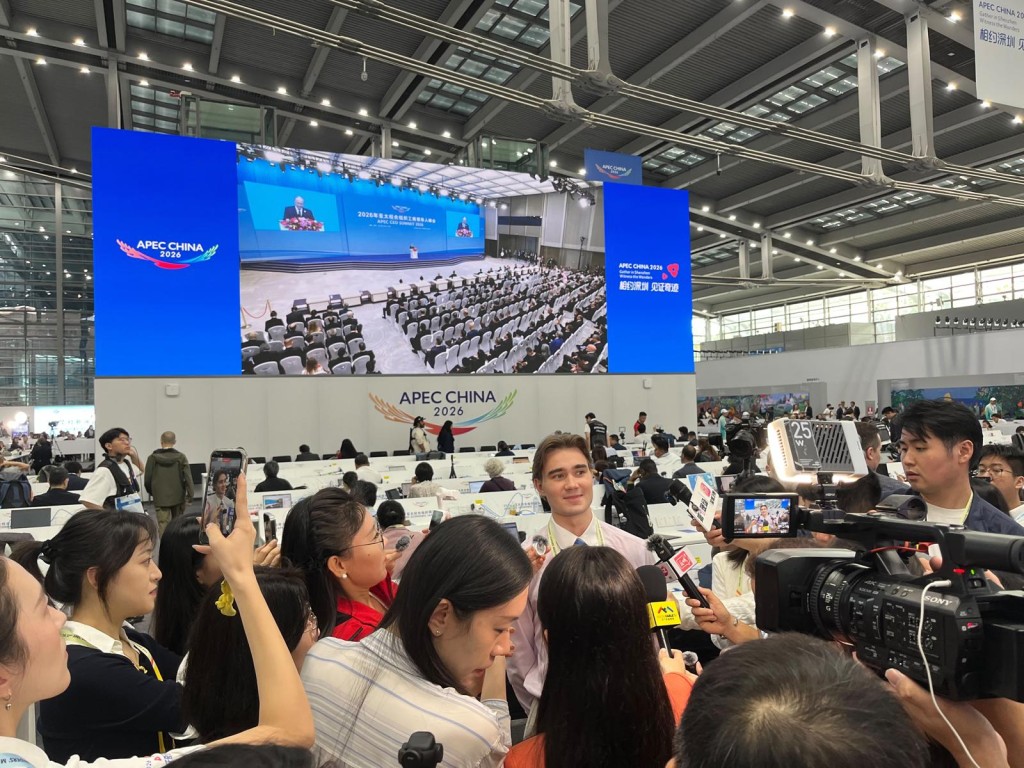
Russian journalists Novikov Ilia were interviewed by Chinese media.
During Russian President Vladimir Putin’s speech on Wednesday morning, Chinese media friends turned the cameras on their Russian counterparts. Novikov Ilia of RIA Novosti, a Russian state-owned domestic news agency, said he was struck by how seamlessly Shenzhen integrates artificial intelligence and technology into everyday life.
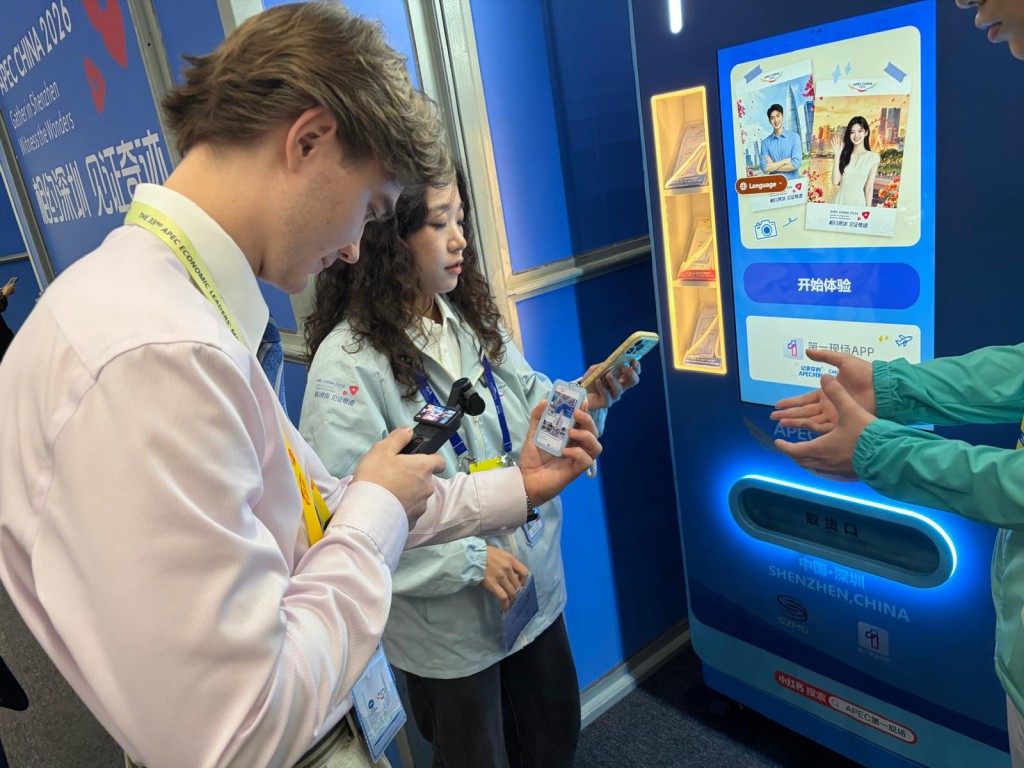
Novikov Ilia making a souvenir at a booth at the center.
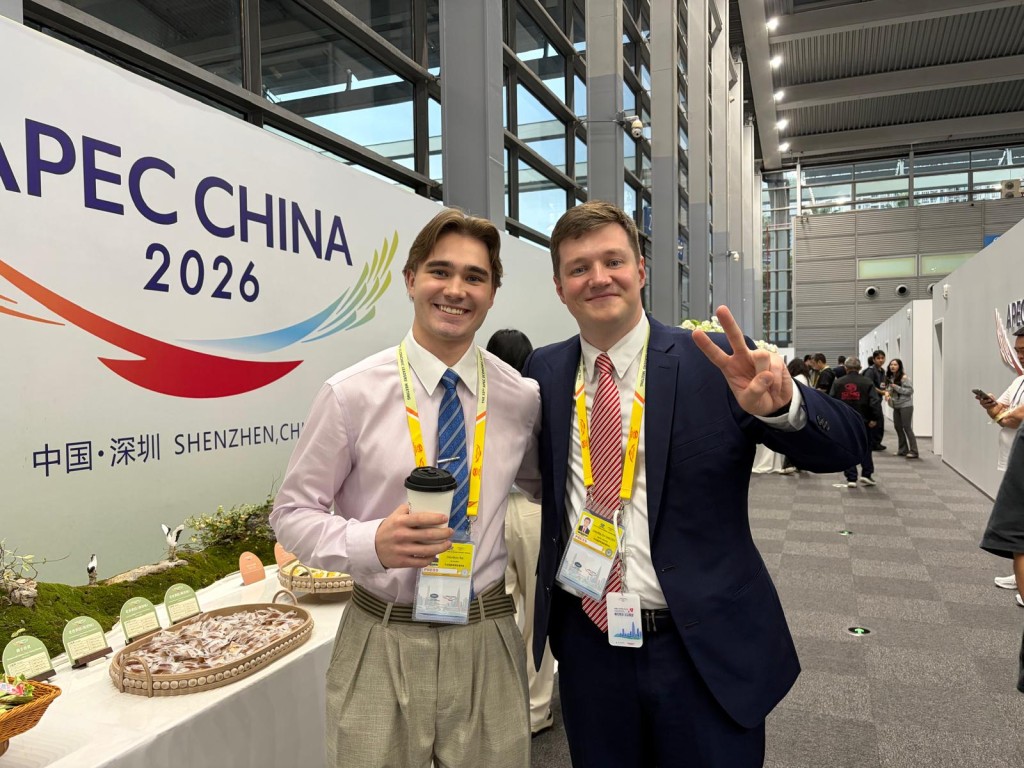
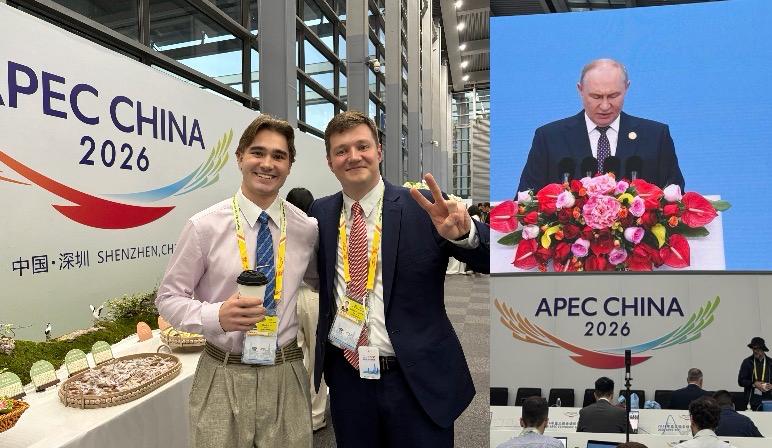
Novikov Ilia (left), and Dmitry Gavrilov.
Dmitry Gavrilov, a Japan correspondent for Sputnik, said digitization in Shenzhen “works amazingly” compared to his visit to Shanghai eight years ago.
"I feel like living in 2050," he said. He too was impressed by the coffee-serving robots and by a green energy station that explained how all APEC venues are powered entirely by green energy, including the Shenzhen International Exchange Center on the north side of Xiangmi Lake that hosts the CEO Summit and joint ministerial meetings, the media center, designated hotels for reporters, and the airport.
“China is the biggest player in the APEC… it has one of the strongest economies in the world,” Gavrilov added. He noted China’s decisive role in geopolitics and expressed hope that the summit would strengthen the strategic partnership between Russia and China, with President Xi Jinping able to help create a win-win outcome for both countries.
Anton Chechulinskii of NTV, a Russian television channel, described the trilateral meeting between Donald Trump, Xi Jinping and Vladimir Putin on Thursday as a “historical meeting.” He said he came to Shenzhen specifically to cover it and hopes it will deliver constructive dialogue and negotiations.
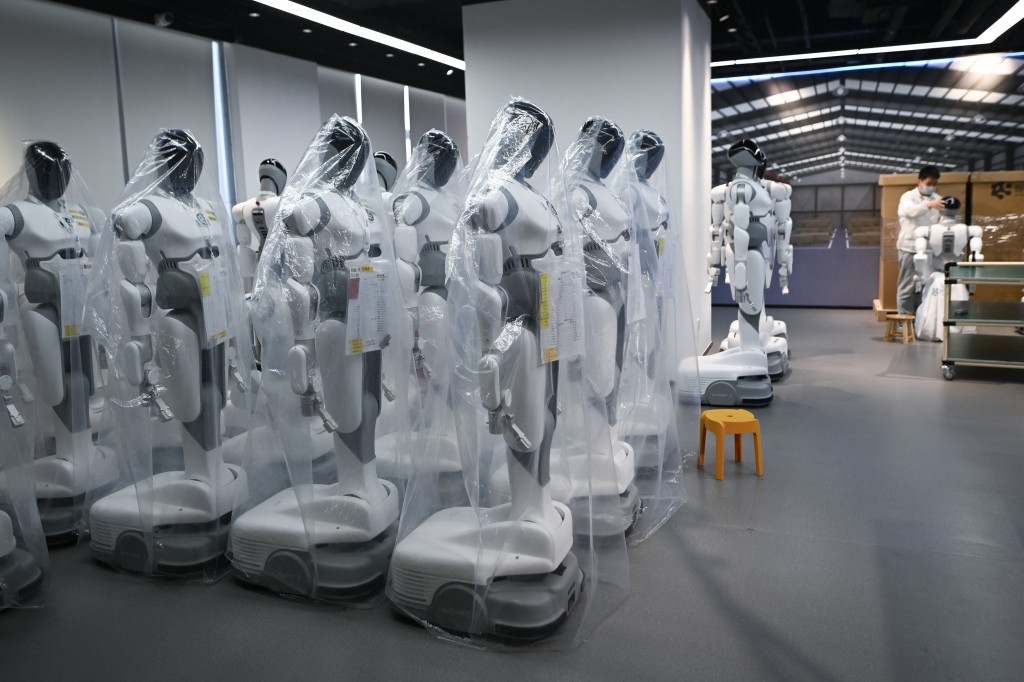
Visiting the city for the first time, Chechulinskii was particularly impressed by its technological advances, including drone delivery services and robots preparing coffee inside the news center.
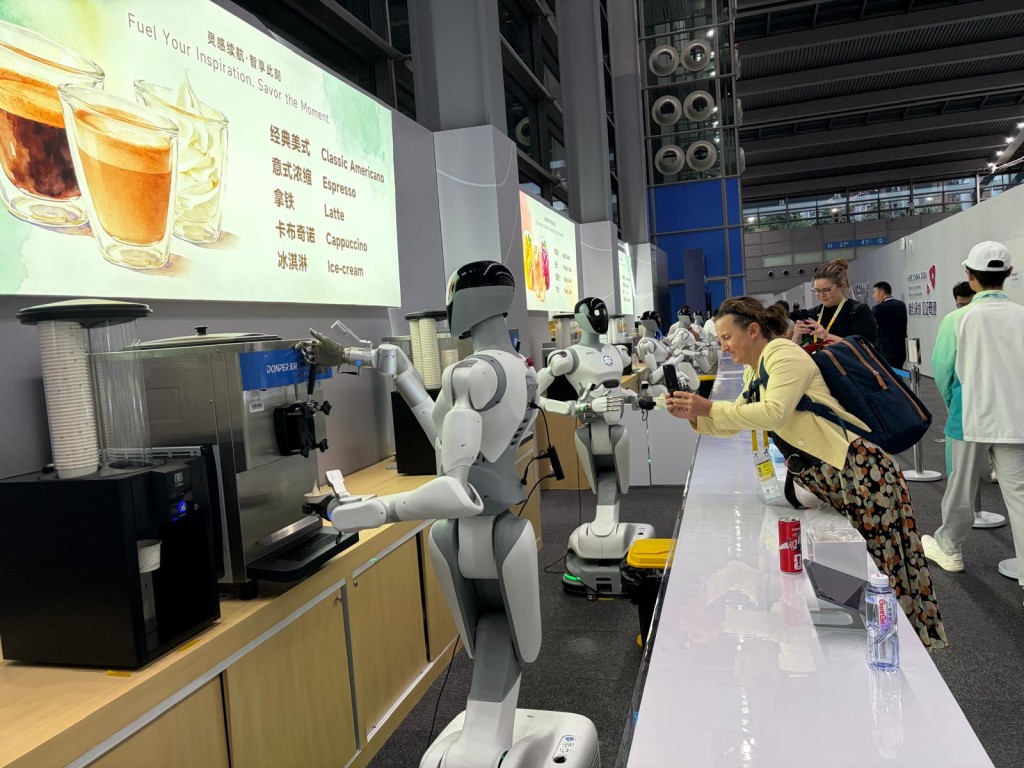
Foreign journalists collecting ice cream and coffee that are served by robots.
Hopes for Stability and Safety
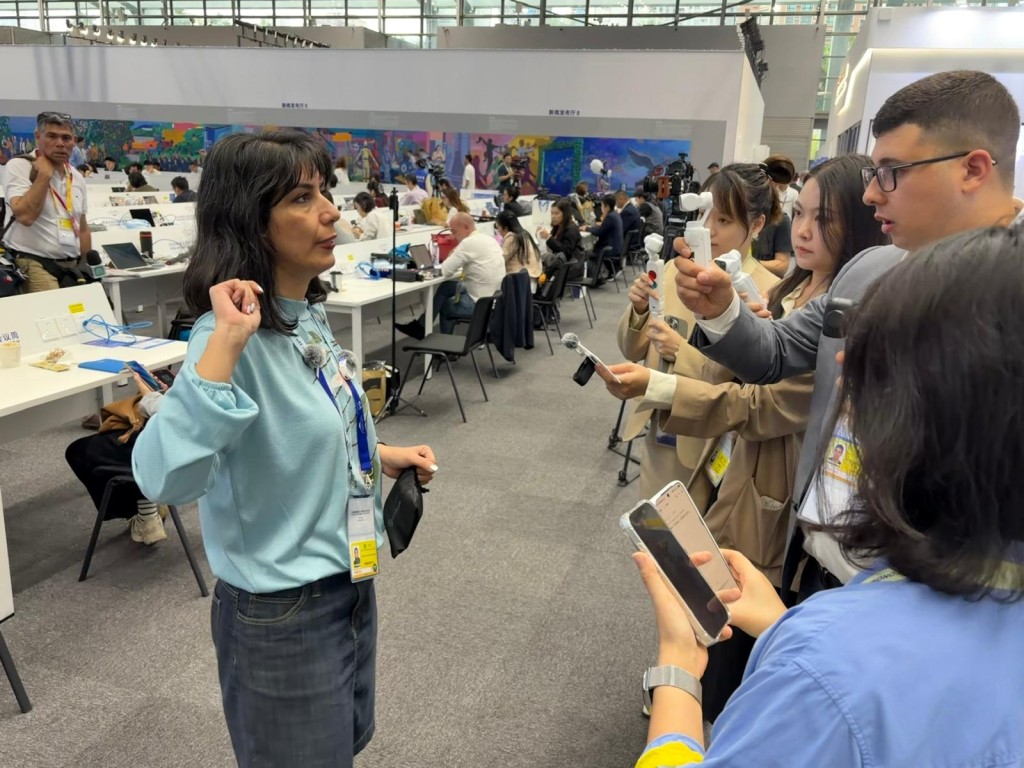
Del Aram Ahmadi Bashirzadeh.
Iranian journalist Del Aram Ahmadi Bashirzadeh from Iran Daily said she expects the trilateral meeting to address conflicts involving Iran. She described hosting the summit in Shenzhen – once a rural area – as a powerful example of China’s opening-up, offering a model for countries seeking independence and cooperation.
“Shenzhen is a symbol of modernity,” she said. “I even heard that people are voluntarily keeping their cars at home and using public transport.”
According to Shenzhen traffic police, more than 500,000 drivers signed up for the voluntary car-free scheme running from November 16 to 20. During APEC week, metro and bus fares are halved. Some metro lines operate every two minutes, with extra trains and extended hours as needed. More than 50 new bus routes now link neighbourhoods to metro stations, and connecting services are running 20 per cent more trips.
The city is also increasing taxi and ride-hailing capacity, including foreign-language services, at airports, ports and high-speed rail stations. Authorities have pledged to crack down on drivers who refuse fares, haggle or take detours – measures of particular relevance for travellers arriving via Shenzhen Bao’an International Airport or the land crossings from Hong Kong.
Human Touches Beyond Economics and Politics
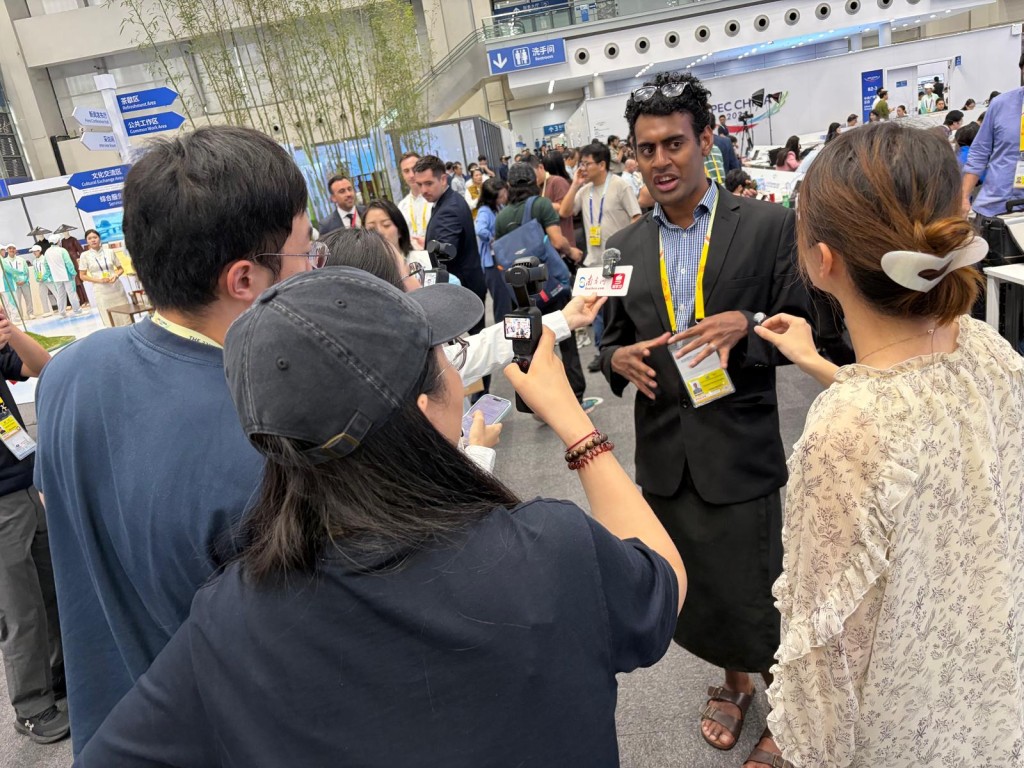
Sosiveta Natuna Korobiau.
Fiji journalist Sosiveta Natuna Korobiau from Fiji Sun highlighted the summit’s thoughtful hospitality, including helpful cleaners and volunteers, a prayer room for religious attendees, and a massage suite.
He described Shenzhen as free and dynamic, saying the summit reflected a balance between high technology and culture. He called the 40-year-old city beautiful and embracing different cultures, noting that he felt comfortable wearing traditional clothes to meetings the previous day.
He also said that visiting the city had dispelled his misconception that Chinese people were “closed-off”, adding that he felt welcomed and found people friendly on the streets.
The center is divided into functional zones that provide various services, including free internet access, media workstations, refreshment and dining area, medical room, prayer rooms, Chinese medicine experience, and technical support for reporters covering the meetings.