Dietitian Kao Min-min shares on her Facebook page that many city dwellers are willing to buy expensive air purifiers and know to replace the filter when it gets dirty, yet when facing vegetables at every meal, they are reluctant to take an extra portion; their own lungs are often only thought about when discomfort appears. She says bluntly that no matter how healthily you eat, it cannot completely offset the harm of smoking, secondhand smoke, and kitchen fumes, but if you do not eat enough of the nutrients you should take in every day, do not expect your body to keep toughing it out for you. To take good care of lung and respiratory health, it is recommended to first put the following 5 categories of lung-protecting foods on your daily plate:
5 Categories of Lung-Protecting Foods
1. Vitamin C
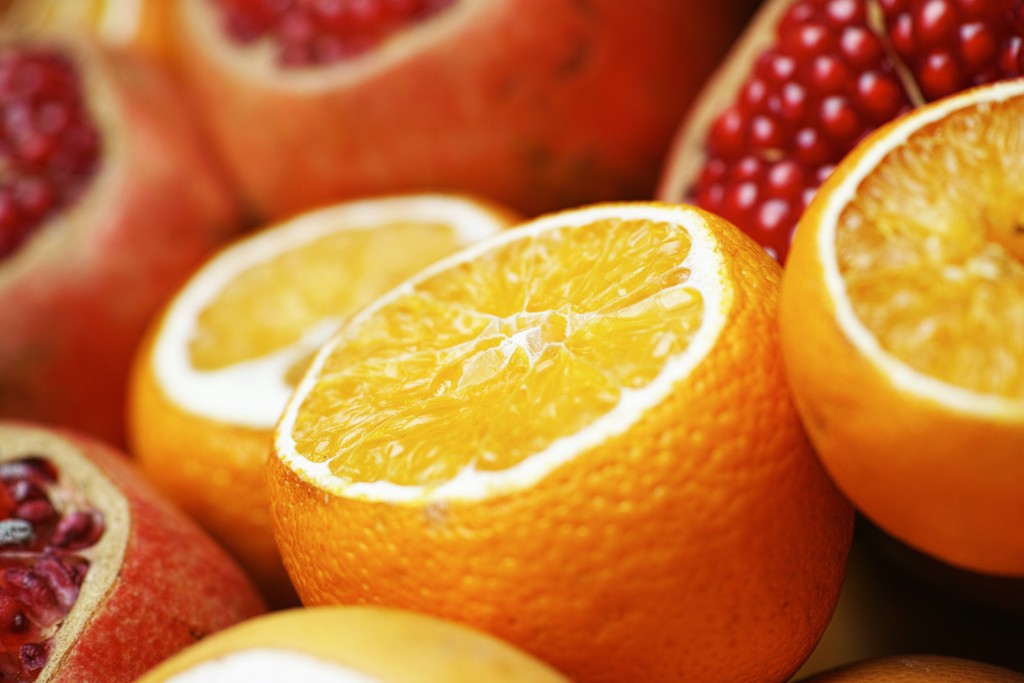
Fruits such as guava, kiwi, and wax apple can participate in antioxidant processes in the body and support normal immune system function. Remember to eat fruit directly—do not rely every day on that decorative slice of lemon in a hand-shaken drink to supplement vitamin C.
2. Cruciferous Vegetables
Cabbage, white radish, and broccoli supplement fiber and various phytonutrients. If you scroll through the menu for ages and end up not ordering a single green vegetable, change this habit first.
3. Lycopene
Large tomatoes and cherry tomatoes are rich in phytonutrients with powerful antioxidant effects. Cooking tomatoes and pairing them with an appropriate amount of oil can greatly improve the human body's absorption rate of lycopene. However, note especially that ketchup must never be treated directly as a vegetable.
4. Omega-3, Vitamin E
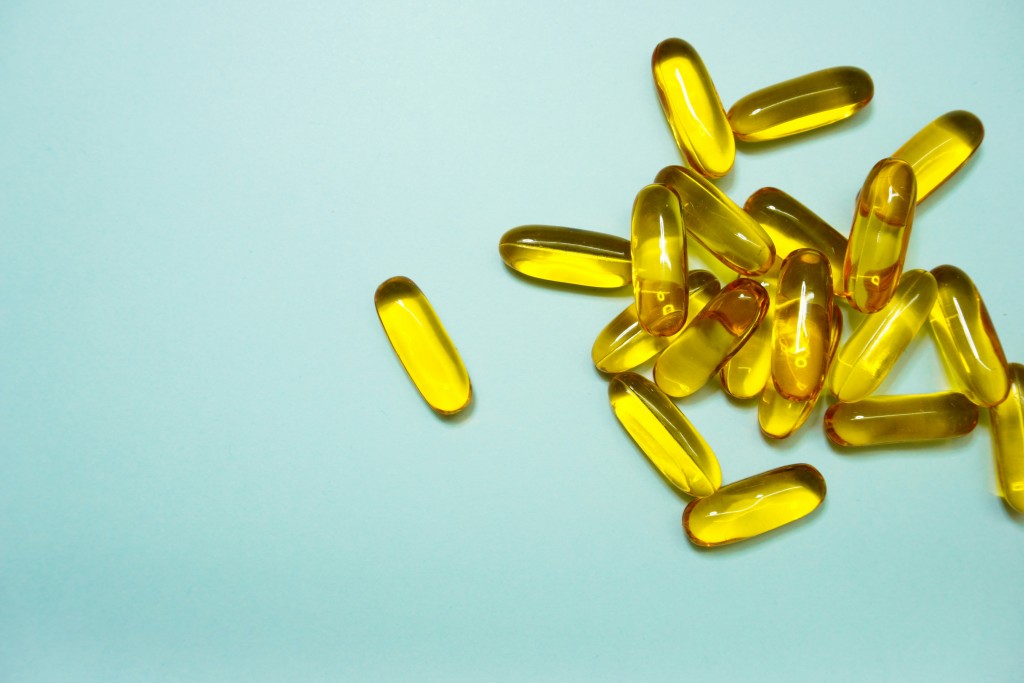
Eating more salmon and mackerel can supplement Omega-3 fatty acids; nuts and vegetable oils are high-quality sources of vitamin E. The fats in the diet should be high-quality oils chosen wisely, while portions should also be controlled—it is by no means the more the better.
5. Beta-carotene
Foods such as carrots, pumpkin, and sweet potato are rich in beta-carotene, which can be converted into vitamin A in the body and help maintain respiratory mucosal function. Remember, not only the eyes need care—the respiratory tract also needs good care.
Does Taking High-Dose Carotene Supplements to Protect the Lungs Actually Cause Cancer?
Kao especially reminds people with smoking habits never to blindly take high-dose beta-carotene supplements on their own in an attempt to "protect the lungs," because research has instead found that this may increase the risk of lung cancer. Normally eating natural foods such as carrots and directly swallowing high-dose chemical supplements are completely different matters. She emphasizes that the true golden rules for lung protection remain quitting smoking early, actively avoiding secondhand smoke, reducing exposure to kitchen fumes and air pollution, and combining this with a balanced diet and regular exercise.
What Are the Common Symptoms of Lung Cancer? Chest Pain When Breathing Deeply - Be Careful
According to information from Hong Kong's Hospital Authority, lung cancer is a malignant tumor that usually arises in the lower respiratory system, such as the epithelial cells of the bronchi and bronchioles. If lung cancer can be detected early, it helps improve the cure rate. However, most patients are already at the middle or late stage when diagnosed, increasing the difficulty of treatment. Therefore, high-risk groups (smokers and people regularly exposed to secondhand smoke) should stay alert to respiratory diseases so that lung cancer can be detected early and the cure rate increased.
Common Symptoms of Lung Cancer:
-
Often feeling tired
-
Poor appetite, weight loss
-
Persistent cough
-
Shortness of breath
-
Blood in sputum
-
Chest pain: A dull ache or sudden sharp pain in the chest when coughing or breathing deeply
Symptoms That May Reflect Cancer Cell Spread:
-
Swollen lymph nodes in the neck; swelling of the neck, face, and hands
-
Abdominal bloating, bone pain, headache, focal epilepsy, or hemiplegia
6 Major Factors That Increase Lung Cancer Risk—1 Group Has 20 Times the Risk
The Hospital Authority states that 6 groups of people have a greater risk of lung cancer. What risk factors should non-smokers pay attention to?
-
Smoking or frequently inhaling secondhand smoke: Smokers have 20 times the risk of lung cancer compared with non-smokers, and secondhand smoke also makes the risk of lung cancer about 2 to 3 times higher than that of ordinary people.
-
Long-term lack of intake of fresh vegetables, fruits, and foods rich in vitamin A.
-
Long-term inhalation of kitchen fumes.
-
Frequently eating grilled and pickled foods.
-
Long-term inhalation of smoke from burning incense and candles.
-
Racial or genetic factors.
Source: Dietitian Kao Min-min, Hospital Authority