Professor Alan Cheung Chi-keung, Director of the Food Research Centre at The Chinese University of Hong Kong, is also recognized among Stanford University's "World's Top 2% Scientists," has published more than 190 academic papers, and is an authority in the field of food science. He recently accepted an interview with the YouTube channel Questions to Think About Sooner or Later, breaking down multiple common diet myths, analyzing them one by one—from fructose, refined sugar, ultra-processed foods, and artificial sweeteners, to probiotics, fasting methods, and superfoods.
Myth 1: Fructose Is the Culprit Behind Fatty Liver—Juice and Soda Are About Equal
Cheung points out that the sugar most worthy of attention in food is fructose. Natural fructose exists in fruit, but the food industry breaks down starch through chemical processes into fructose to make "high-fructose corn syrup," which is widely added to soda and processed foods. The fructose content of fruit juice is about equal to that of a can of soda, and if the juice is concentrated after pressing, the fructose concentration is even higher.
After fructose enters the human body, it is mainly metabolized in the liver, and after metabolism it is converted into fat. Long-term intake of high amounts of fructose will lead to non-alcoholic fatty liver disease, which in turn triggers chronic inflammation and affects the immune system, heart, and overall health. He reminds that rather than drinking fruit juice, it is better to eat whole fruit, so you can simultaneously take in dietary fiber and more nutrients.
Myth 2: Ultra-Processed Foods Are Everywhere—Corn Flakes and White Bread Also Affected
Many people think ultra-processed foods only refer to potato chips and instant noodles, but Cheung emphasizes that corn flakes, oatmeal, and white bread commonly seen at breakfast are actually deeply processed, and their ingredient lists often clearly show added sugar, salt, and various additives. He suggests that consumers read the ingredient list carefully when purchasing, and pay attention to sugar, fat, and sodium content.
Myth 3: Refined Sugar Causes Blood Sugar Spikes and Leads to Insulin Resistance in the Long Run
Cheung explains that refined sugar (such as granulated sugar) is absorbed extremely quickly. Drinking one can of soda already takes in about 30 grams of sugar, causing blood sugar to spike within a short time and forcing insulin to be secreted rapidly. Over the long term, the body develops insulin resistance, increasing the risk of type 2 diabetes. On the contrary, complex carbohydrates (such as resistant starch in brown rice and beans) digest more slowly, blood sugar rises steadily, and this helps reduce risk.
Myth 4: Sugar-Free Soda and Artificial Sweeteners Controversy—Professor: I'd Rather Choose Regular Cola
Regarding "sugar-free" beverages, Cheung reminds that "no added sugar" does not equal sugar-free; sugar alcohols or rare sugars may have been added, which still produce energy. As for artificial sweeteners (such as aspartame), they are chemical substances that the human body cannot digest and absorb. Some individual studies have suggested they may be carcinogenic and affect gut bacteria, but this is highly controversial. If asked how he would choose, he would choose regular cola: "As long as you don't drink it every day, one can occasionally is fine. Take in some sugar, and as long as you don't drink other high-sugar beverages, you can actually balance it out."
Myth 5: Food Ingredient Lists Should Be Checked for Sugar, Fat, and Sodium
Cheung points out that Hong Kong's "1+7" packaged food labels already list calories and main ingredients, and consumers should focus on sugar, fat, and sodium, because these three are directly related to high blood sugar, high cholesterol, and high blood pressure. Foreign packaging often uses markings to warn of high salt, high fat, and high sugar; Hong Kong has not yet achieved this, so consumers need to pay attention themselves.
Myth 6: 16:8 Fasting: Effective but Not Suitable for Everyone
Regarding the popular 16:8 fasting, Cheung believes it has a certain effect, because regular eating makes the digestive system and endocrine system operate more orderly. "But you need to plan well how many meals to eat within 8 hours and in what order, so that the body can still maintain normal function during the fasting period." He personally would not skip breakfast, because after a night's rest, morning is the best time for absorption and digestion, and not eating breakfast will affect work. "Of course, everyone's lifestyle habits are different, so it depends on individual routines."
Myth 7: There Are Hundreds of Bacteria in the Gut, but Probiotic Supplements Contain Only a Few
Probiotics have become very popular in recent years. Cheung affirms that gut health affects the whole body, including the "gut-brain axis" and "gut-liver axis." However, he reminds that there are hundreds of kinds of bacteria in the gut, while supplements on the market usually contain only a few kinds, and in limited quantities. How much effect they can exert once they reach the gut still awaits more research confirmation. He believes that obtaining probiotics from natural fermented foods is more comprehensive than relying solely on supplements.
Myth 8: The Professor's Idea of Superfoods and Dietary Principles
In Cheung's mind, superfoods prioritize plants:
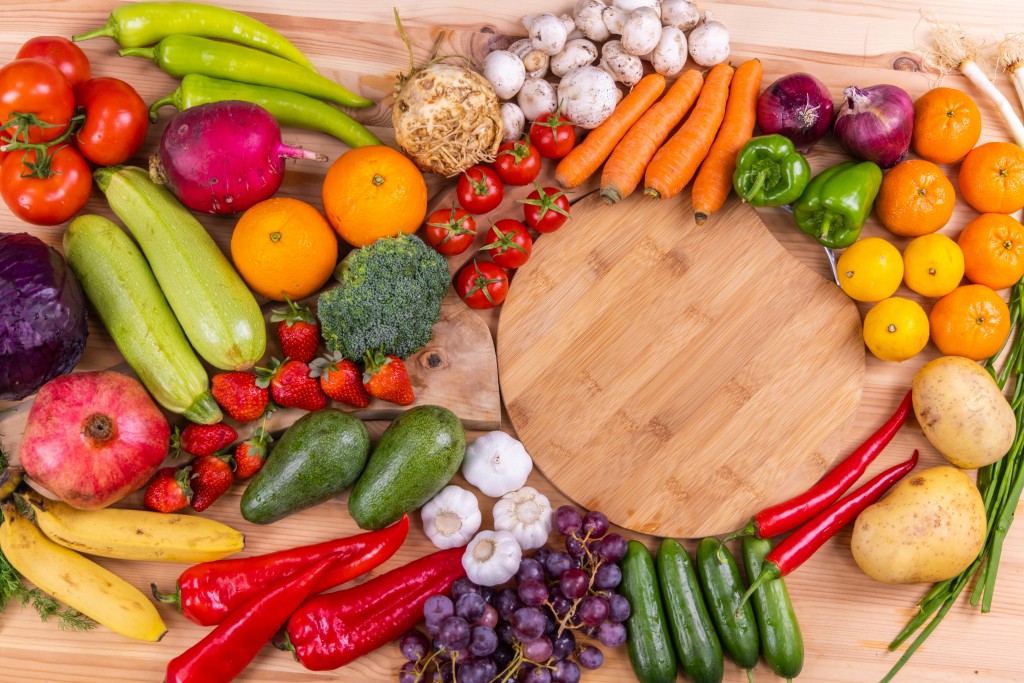
Colorful fruits and vegetables: Different colors such as red, purple, blue, and green represent different types of antioxidants, which have positive effects on the body.
Citrus fruits: Oranges, lemons, mandarins, etc., rich in vitamins, minerals, and dietary fiber.
Dairy products: Milk, yogurt, cheese, providing protein and easily absorbed calcium.
Lean meat: Moderate red meat can provide protein, iron, and B vitamins.
Eggs: A complete protein, with egg yolk and egg white being the most perfect pairing, and one to two per day is no problem.
Return to Basics, Balanced Diet
Cheung concludes that the way of eating values balance and simplicity: "The simpler the food, the better. Eat whole foods as much as possible and eat less processed food." He also reminds that the nutritional difference between organic food and traditional food is not great. If finances permit, you can choose organic, but it is not necessary. As for supplements such as NMN, although animal experiments show they can activate cellular vitality, human clinical evidence is limited, and citizens should view them rationally. He emphasizes that rather than pursuing a single superfood or miracle supplement, it is better to return to basics. He offers these words to citizens: "Food doesn't need to be so complicated. The most important thing is that it's good for the body."
Source: Questions to Think About Sooner or Later