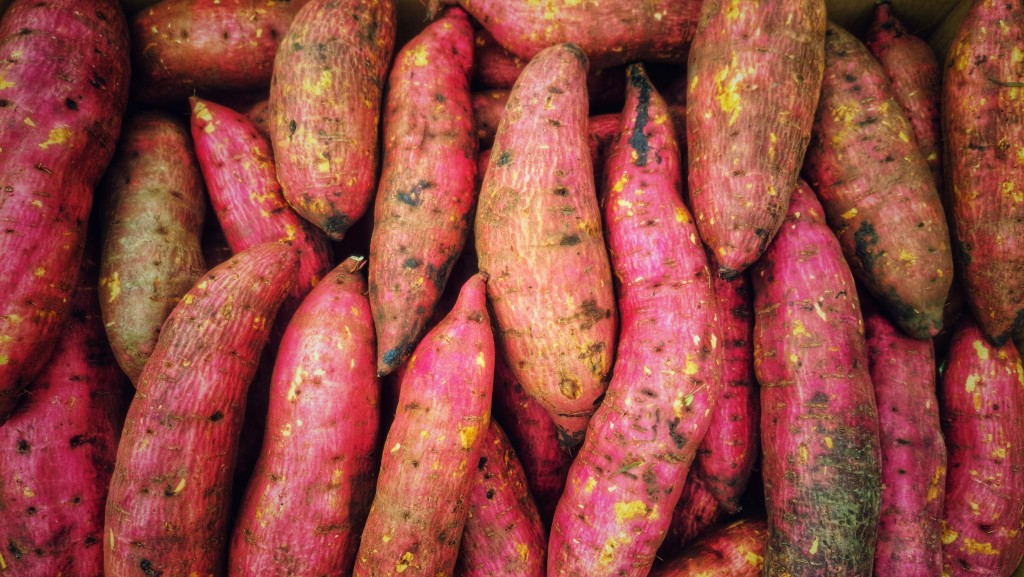
During cooking, the starch in sweet potatoes undergoes gelatinization, making it easier for the human body to digest and break down into glucose. However, when cooked sweet potatoes cool, some starch molecules rearrange to form a tighter structure, making it harder for digestive enzymes to break down. This process is scientifically called "starch retrogradation."
After retrogradation, some of the starch is converted into resistant starch. This type of starch is not easily digested and absorbed in the small intestine, but passes smoothly into the large intestine, becoming high-quality nourishment for gut microbes. After resistant starch is fermented by gut bacteria, it can produce short-chain fatty acids beneficial to the human body, helping regulate the body's inflammatory response and further supporting overall gut health.
If you want to enjoy sweet potatoes while avoiding large blood sugar fluctuations, Alan Mandell suggests mastering the following 3 core principles:
Cool after cooking before eating: After cooking, let the sweet potato cool completely first, or refrigerate it overnight, allowing some of the starch to undergo retrogradation, thereby increasing the resistant starch content in the body.
Pair with protein: When eating an appropriate amount of sweet potato at each meal, pair it with ingredients such as eggs, fish, chicken, avocado, olive oil, or nuts. This pairing helps slow overall digestion and reduces the magnitude of post-meal blood sugar rise. It is suggested to start with half a medium-sized sweet potato and adjust flexibly according to individual calorie needs and blood sugar status.
Engage in moderate activity after meals: After eating, arrange a short walk. Moderate muscle activity can promote the body's use of glucose, helping muscles effectively take up glucose from the blood, which is very helpful for post-meal blood sugar management.
Choose to Eat Chilled and Keep the Sweet Potato Skin to Fully Exert Blood Sugar Control Effects
Whether eating sweet potatoes can effectively stabilize blood sugar often depends not on the variety, but on the cooking temperature and eating method. Chilling steamed or boiled sweet potatoes before eating not only helps lower the food's glycemic index (GI value) and calorie absorption, but also transforms sweet potatoes from a potential blood sugar burden into a good helper for blood sugar control. In addition, if the sweet potato is washed and eaten with the skin, it can also supplement rich dietary fiber, making the overall nutritional benefit even better.
Source: American health influencer Alan Mandell