A latest study by the Faculty of Medicine at The Chinese University of Hong Kong found that women who eat more soy products during childhood and adolescence have lower breast density (also known as mammographic density) in adulthood, affecting the composition of breast tissue in adulthood and providing long-term protection for breast tissue.
Is Soy Intake Related to Breast Cancer Risk?
Breast density is a recognized predictor of breast cancer risk and can be examined through mammography. Soy foods such as tofu and soy milk are common in Asian diets. The study was led by Professor Ho Chan Sut-ying, Emeritus Professor at CUHK, and was funded by the World Cancer Research Fund.
The study assessed the soy intake of 815 healthy premenopausal women aged 35 to 45 during childhood, adolescence, early adulthood, and recent years. Participants underwent mammography and had their intake of 32 local soy foods assessed through questionnaires, with the team using cue tools to assist recall. The study results have been published in the journal Nutrients.
Study: Higher Soy Intake in Childhood and Adolescence Linked to About 6% Lower Breast Density
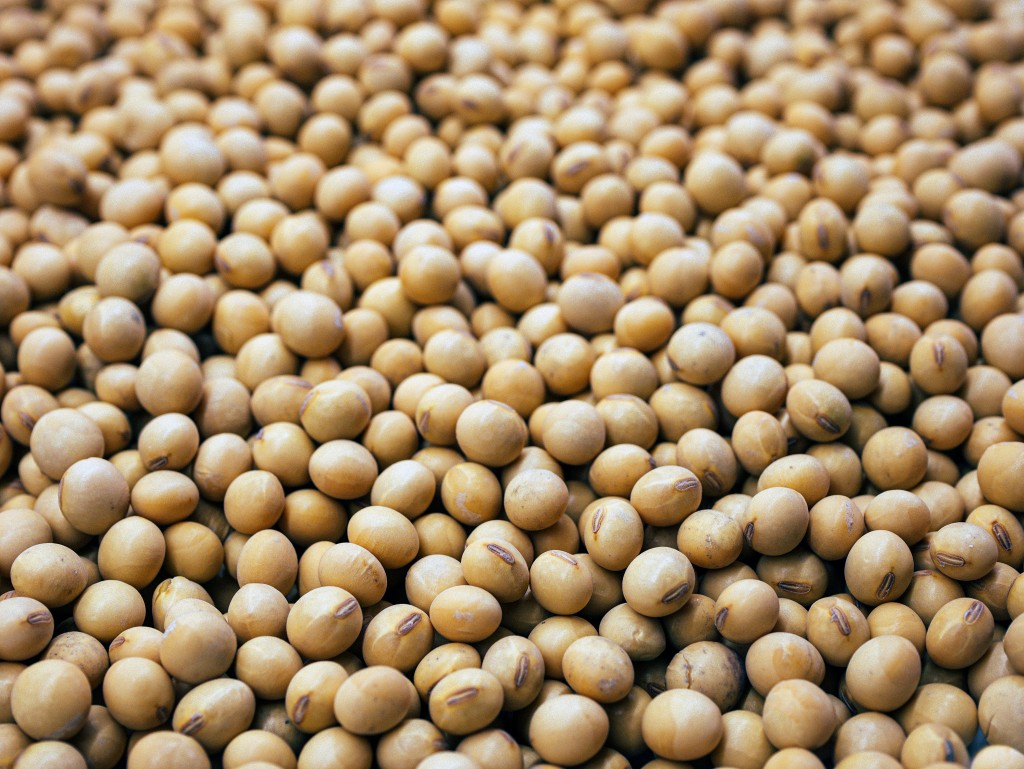
After adjusting for factors such as age, waist circumference, and physical activity, the study found that soy protein intake during childhood and adolescence had a significant inverse relationship with adult breast density. Women who continuously ate more soy foods during childhood and adolescence had breast density about 6% lower on average; recent intake was not related to breast density. The study states that early soy intake may affect the composition of breast tissue in adulthood, providing long-term protection against future breast cancer risk. Childhood and adolescence are key stages of breast development, and soy intake during this time has a profound impact on future breast cancer risk.
Soy Isoflavones Interact with Estrogen Pathways
Professor Ho said: "This shows that soy intake at a young age may have a certain influence on the future development of breast tissue." She continued: "Soy is a common ingredient in traditional Asian diets. This study further confirms that the timing of soy food intake may be of great significance. We need further research to verify this finding and to understand whether changing soy intake at a young age can help prevent breast cancer."
The researchers emphasize that this is an observational study based on self-reported data from participants, and whether soy intake directly helps reduce breast density or breast cancer risk still requires further research to verify. Soy foods are rich in isoflavones, a bioactive substance that can interact with estrogen-related pathways.
International Expert Opinion: Early-Life Nutritional Programming
Dr. Giota Mitrou, Director of Research and Policy at the World Cancer Research Fund, pointed out that although overweight and obesity are recognized breast cancer risk factors, there are not many studies assessing the association between soy intake and breast density, and no conclusion has been reached so far. This study helps understand how diet and lifestyle habits at different stages of life affect cancer risk, and is a key research area for the fund.
Professor Li Wing-mui, Hong Kong Ambassador for the fund, said the study observed soy intake among premenopausal Chinese women from childhood to later adulthood, showing that early nutrition may have an important impact on adult breast density. The study provides observational evidence for "early-life nutritional programming," revealing that early diet may help reduce breast cancer risk.
Source: CUHK Faculty of Medicine