Read More




Morning Recap - November 5, 2026
7 hours ago



An eye doctor has saved lives by detecting illnesses such as leukemia and diabetes through an eye exam.
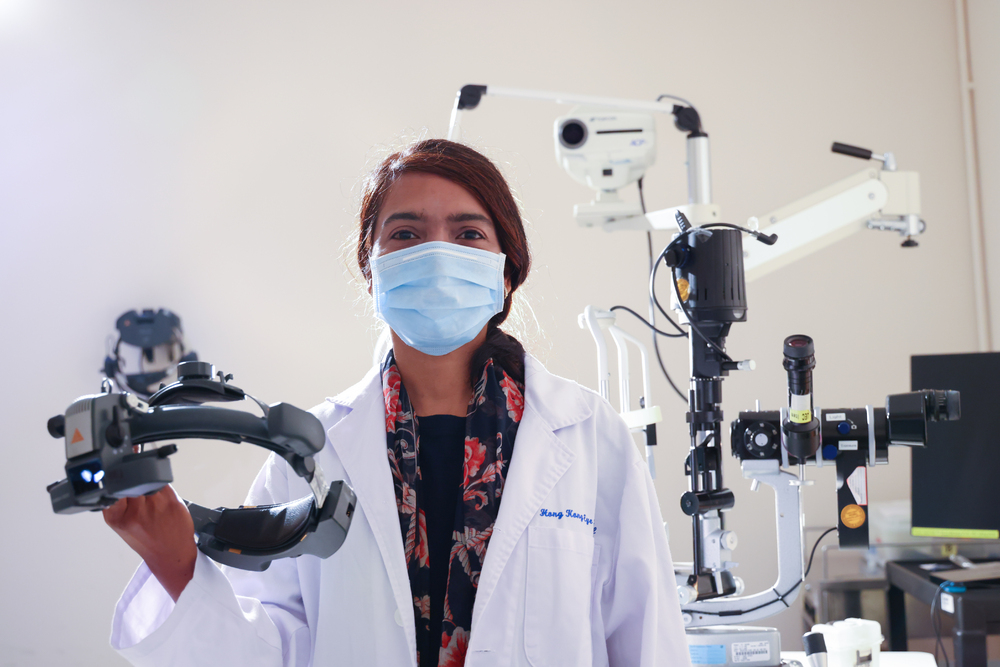
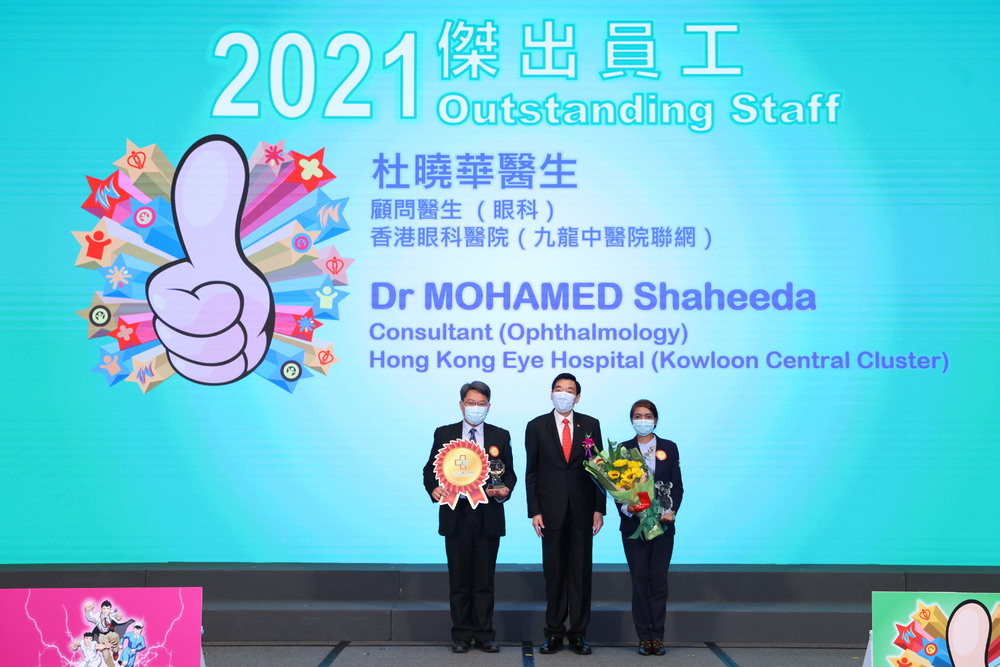
Indian-Hongkonger Shaheeda Mohamed, an ophthalmologist and expert in vitreoretinal diseases at the public Hong Kong Eye Hospital, received the Hospital Authority's Outstanding Staff Award this year.
Born into a family of barristers, Mohamed chose to pursue medicine instead due to her affinity for science subjects.
In one case, Mohamed conducted an eye exam for a middle-aged man that led to the early diagnosis of chronic myeloid leukemia, a cancer that starts in the blood-forming cells in the bone marrow.
The man visited the eye hospital early this year complaining of several weeks of blurry vision.
An examination of his eyes subsequently revealed cellular infiltrates on his retina, and Mohamed referred the man to the accident and emergency department of Queen Elizabeth Hospital on the same day, where he was eventually diagnosed with leukemia.
Due to early diagnosis, the man was able to receive prompt treatment, which saved his life and restored his vision.
Mohamed said the case was a team effort.
"I just happened to find the man might have leukemia after examining his eyes," she said. "The man's diagnosis and treatment that followed relied on the effort of the Queen Elizabeth Hospital and its hematologists."
The case, which influenced a junior doctor's similar diagnosis in another patient, proves that the quality of training for junior doctors is important, she said.
Mohamed said the Chinese University of Hong Kong had launched the Ophthalmic Microsurgical Training Program to enhance eye microsurgery training for young doctors.
"The program has simulation training for surgical trainees, which involves virtual reality and artificial intelligence as well as practices on animal eyes," she said.
To enhance surgical technologies at the Eye Hospital, she and her team introduced 3D vitreoretinal surgery two years ago, which uses a camera, a screen and a pair of glasses to enhance surgical precision as surgeons can view the eye's digitally enhanced image on the screen while operating on the organ - a step up from the conventional method of looking into a microscope.
"The new technique can also adjust brightness - decreasing phototoxicity as a result," Mohamed said.
To advance local ophthalmology service quality, Mohamed and her team received training in ophthalmology centers overseas, such as Moorfields Eye Hospital in Britain and Yokohama City University in Japan.