Read More








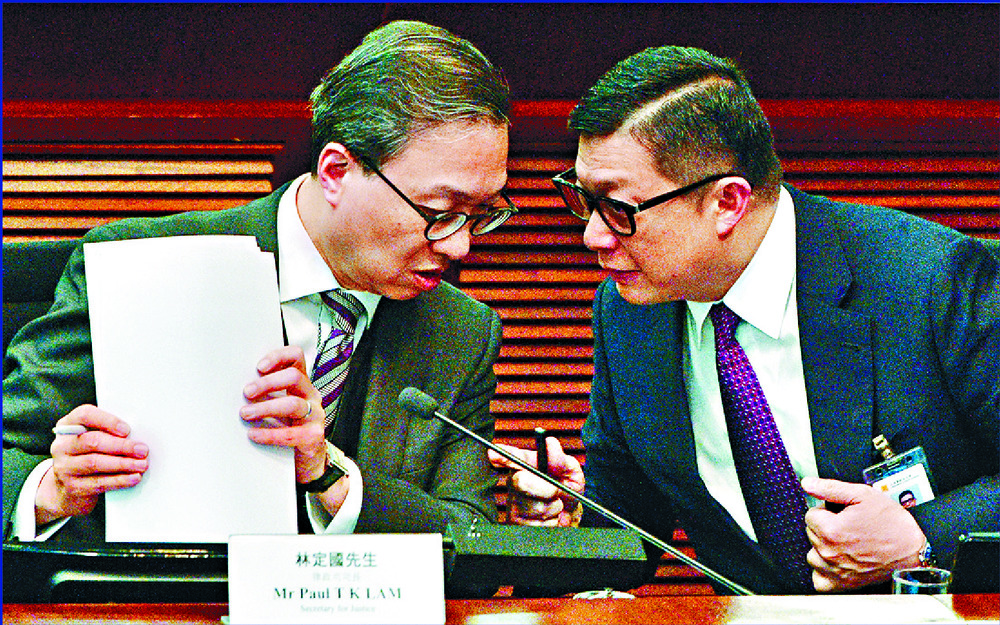
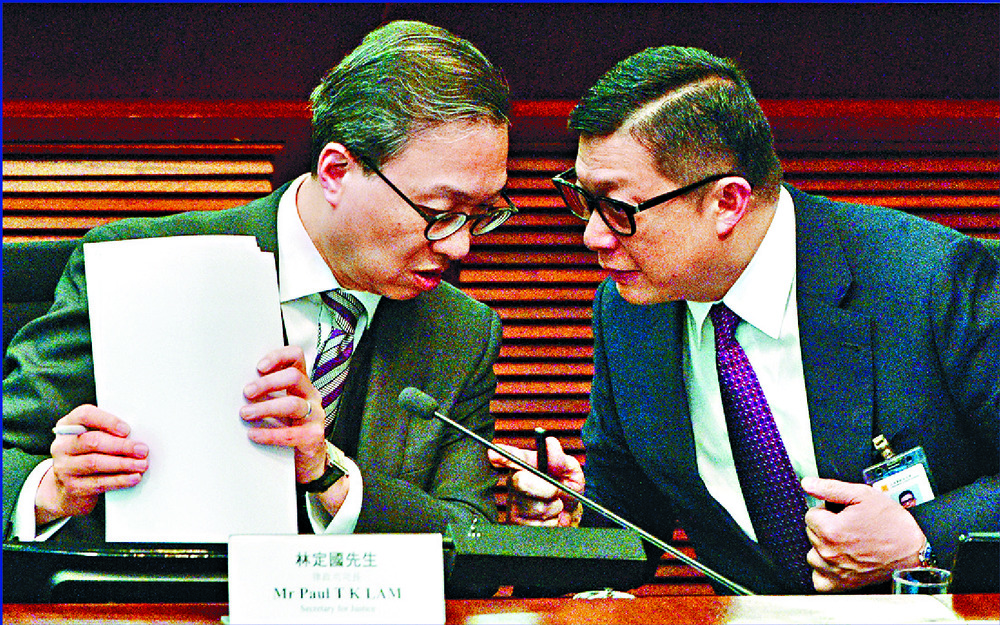
The government will penalize Hongkongers for stealing state secrets by refining the definitions under the existing Official Secrets Ordinance after the enactment of Basic Law Article 23, Secretary for Security Chris Tang Ping-keung said.
The government said in the consultation paper that it is necessary to clearly define state secrets so that public officials, government contractors and the general public can understand which are state secrets.
"In any part of the country, all types of state secrets should be protected. Otherwise, it would create a legal vacuum in Hong Kong, endangering certain areas of national security."
The government suggested that state secrets should include information involving major decisions related to national or Hong Kong affairs, national defense and foreign affairs.Classified information about Hong Kong's social and economic development, scientific advancement, crime investigation and the relations between Hong Kong and the central government should also be regarded as state secrets.
The goal of protecting state secrets is to safeguard national authority, the government said, adding the information is only regarded as state secrets when they are disclosed without legal authorization, endangering national security.The government said public officials or government contractors with easier access to the state secrets should be subjected to higher penalties if they disclose the information, as they are aware of the sensitivity of such information.
In a Legislative Council joint panel meeting on security and administration of justice and legal services, New People's Party lawmaker Dominic Li Tsz-king raised concerns that journalists might fall foul of the law.In response, Tang said: "If you see something marked as highly classified by the government, it is clear that there is no legal authorization.
"If the document is just weather forecasts, then that is obviously not related to national security, but if it involves defense and deployment, it is obviously related to national security. I think relevant people can judge by themselves with common sense."But Tang said the conditions for exemption cannot be too lenient, or else the law will become ineffective.
Secretary for Justice Paul Lam Ting-kwok said lawbreakers must be proven to have criminal intentions before they can be convicted, and believed there will be no one breaching the law unintentionally.Editorial: Page 4