Read More



Morning Recap - October 28, 2026
3 hours ago
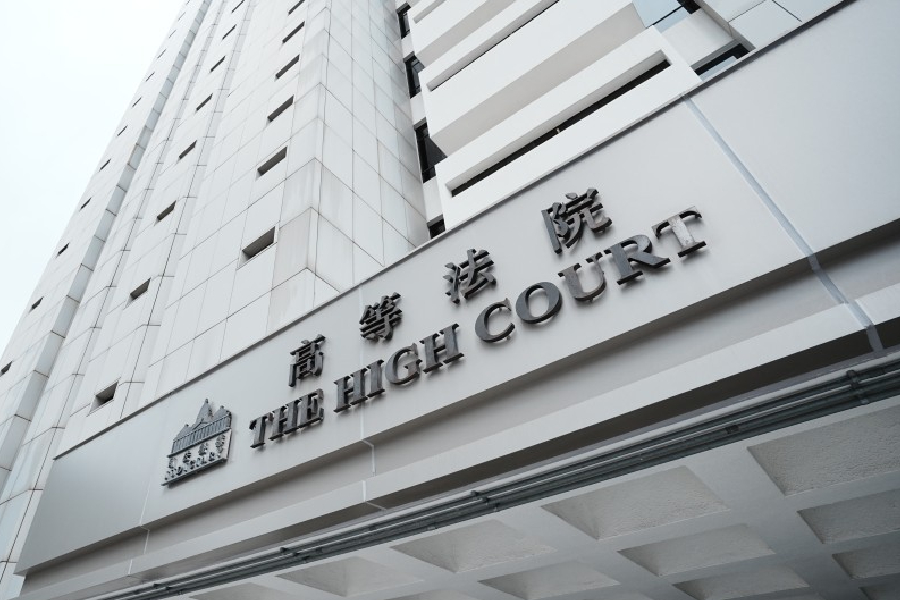
Office lottery dispute leads to High Court lawsuit over $33m prize
26-10-2026 17:24 HKT
Honkongers who violate the import ban on seafood from 10 Japanese prefectures face up to 12 months in prison and a HK$100,000 fine.
That was the warning yesterday as Japan prepared to discharge wastewater from the crippled Fukushima nuclear power plant from noon today.
The ban is being enforced under a food safety order from the director of food and environmental hygiene, Irene Young Bick-kwan.
It covers the import and supply of all fresh, frozen, dried or processed seafood as well as sea salt and seaweed harvested, manufactured, processed or packed in Fukushima, Tokyo, Chiba, Tochigi, Ibaraki, Gunma, Miyagi, Niigata, Nagano and Saitama.
The Centre for Food Safety has stepped up tests on food imported from Japan since mid-June, including extending its tests and checking all aquatic products.
Products that originate or are processed in other Japanese prefectures but transferred through the 10 listed areas will still be allowed to enter Hong Kong.
But people reselling these products online will be considered to have breached the ban, Young added, and offenders still face 12 months behind bars and being hit with a HK$100,000 fine.
Vivian Lau Lee-kwan, permanent secretary for the environment and ecology on food-related matters, said an inter-department task force has been formed to assess the risks imposed by Japan’s discharging of wastewater from Fukushima to Hong Kong’s food safety and then implement measures as necessary. The task force consists of the Environment and Ecology Bureau, the Food and Environmental Hygiene Department, the Centre for Food Safety, the Agriculture, Fisheries and Conservation Department, the Department of Health, the Hong Kong Observatory and the Government Laboratory.
Patrick Lai Chuen-chi, assistant director of agriculture, fisheries and conservation in fisheries and marine conservation, said aquatic products and fish in markets will be checked daily compared to a once-a- month procedure that has been in place.
Lee Lap-shun, assistant director of radiation monitoring and assessment, said the observatory will enhance its monitoring and sound an alarm if it detects an abnormal situation.
Lau said it is too early to consider when the ban could be lifted, but authorities will be looking at factors that include statistics from the Japanese government regarding Fukushima discharges.
“Some asked if it is enough to rely on data provided by Japan,” he said.
“Some experts have said that if their data is to be convincing to other economies the Japanese government should consider third-party participation and certification of their data.”
More than 10,000 items of imported food have been tested since mid-June, of which over half were marine products, and none of the samples exceeded the set standards, said Centre for Food Safety controller Christine Wong Wang.
“The scale of some 10,000 samples we tested from mid-June is equivalent to the tested samples for all of 2022,” she added.
The center publishes information on food imported from Japan on its website every day, including radiation test results. And the information goes on the Environment and Ecology Bureau’s daily newsletter.
Wong also said the center immediately contacted the trade upon Japan announcing the date of discharge and held two online briefing sessions for the trade yesterday morning.
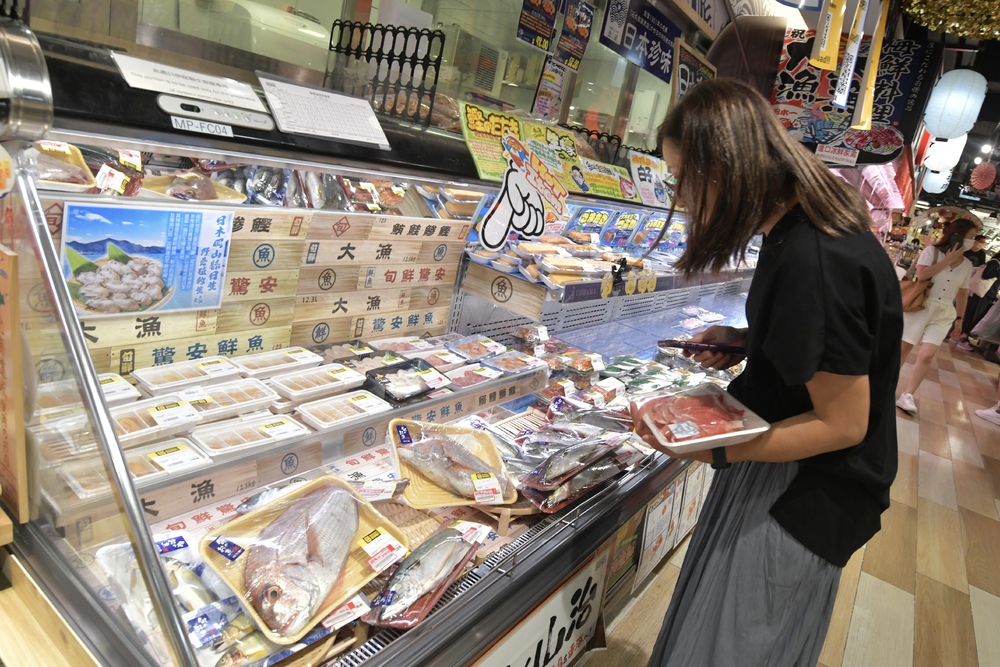
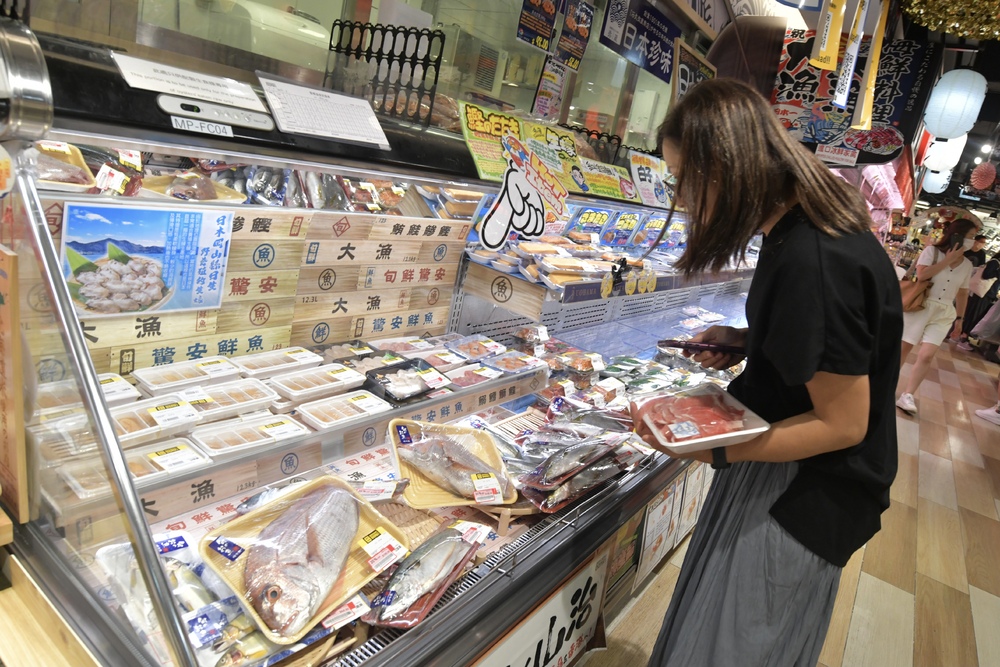
Japanese food is imported into Hong Kong as air or ocean freight and is only released for sale on the market after passing all the tests.
“This has been a workable measure since the nuclear disaster in 2011,” Wong said.
Young said the ban only covers the sale and supply of aquatic products from the 10 prefectures for “commercial purposes,” and people traveling to Japan can bring back these items for self-use or as souvenirs.
“The government has confirmed there are certain risks in products from the 10 prefectures, so we wouldn’t advise the public to buy products from them for their own use or to give away to friends and family,” she said.
Young said her department will work with the Customs and Excise Department to strengthen law enforcement to deter people smuggling or reselling products in Hong Kong, for which they can be prosecuted.
eunice.lam@singtaonewscorp.com