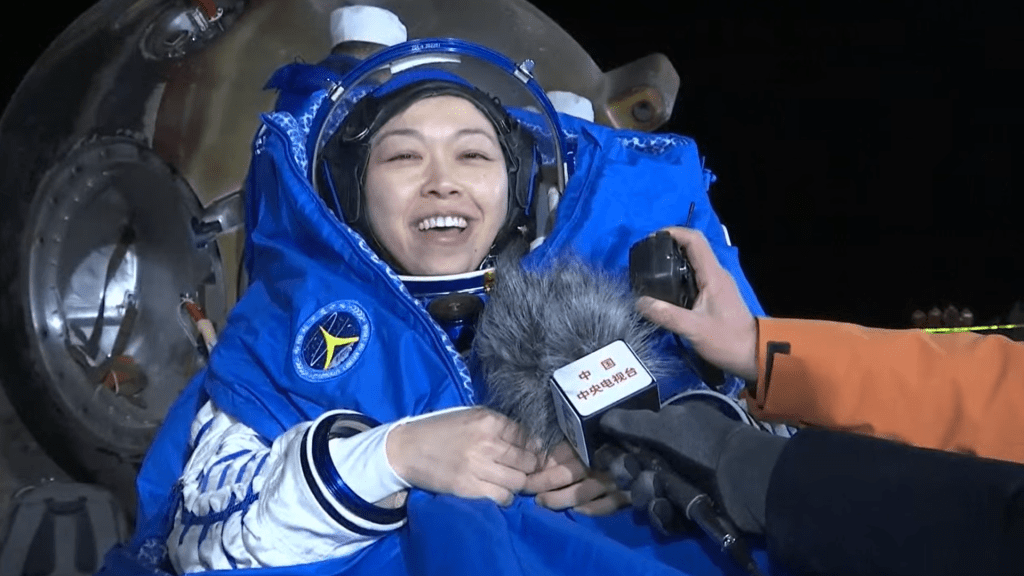
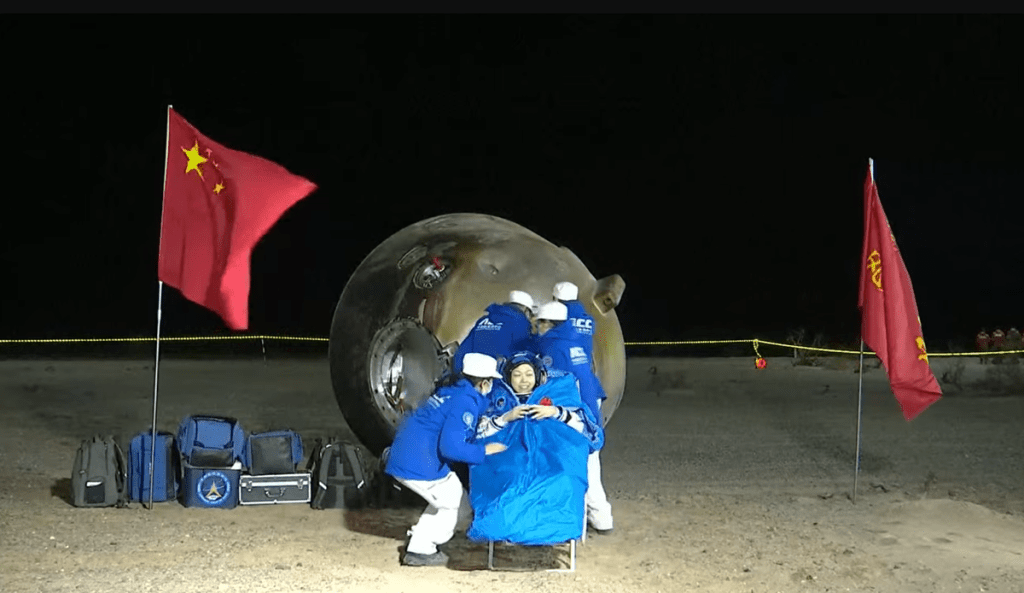
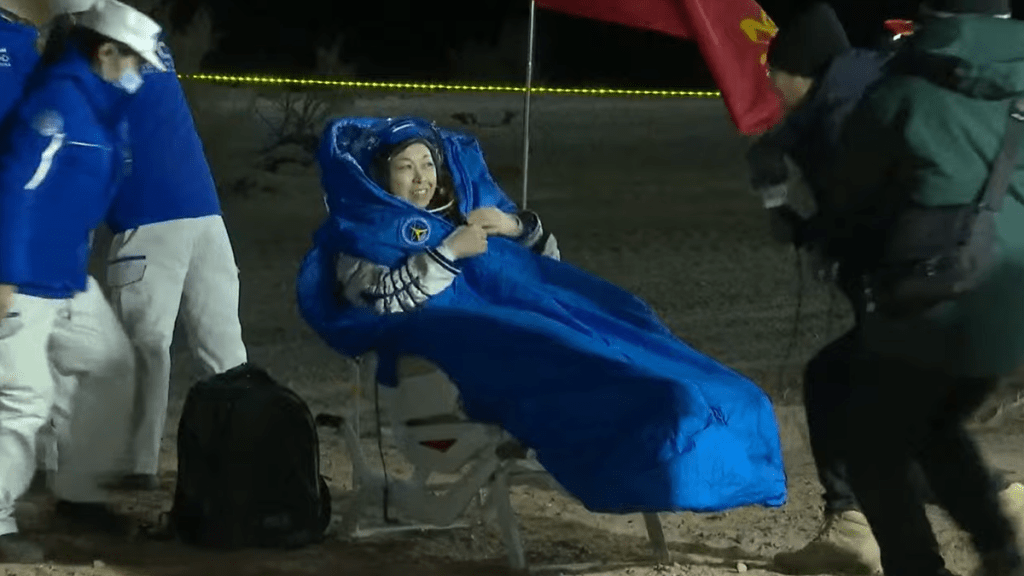
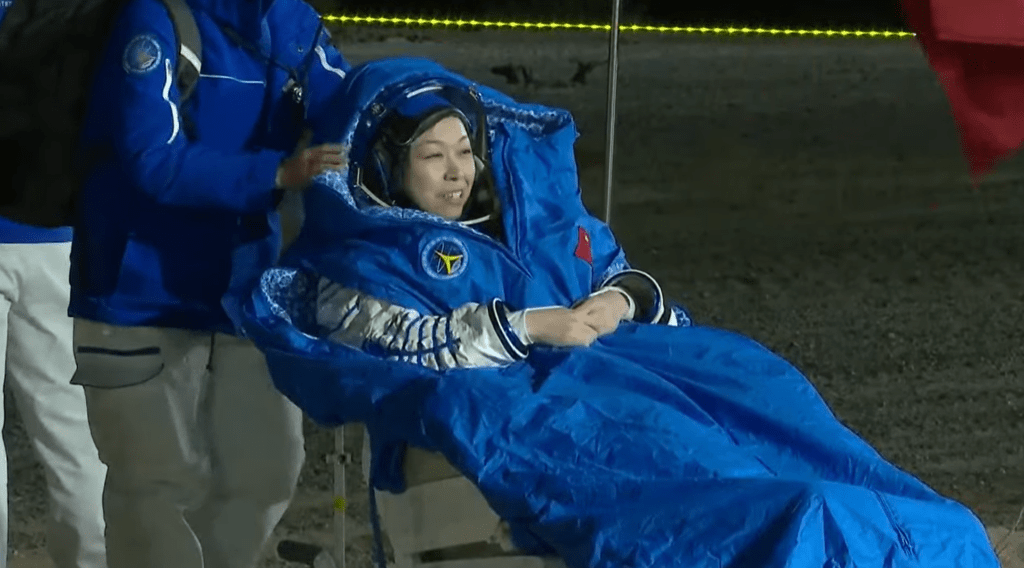
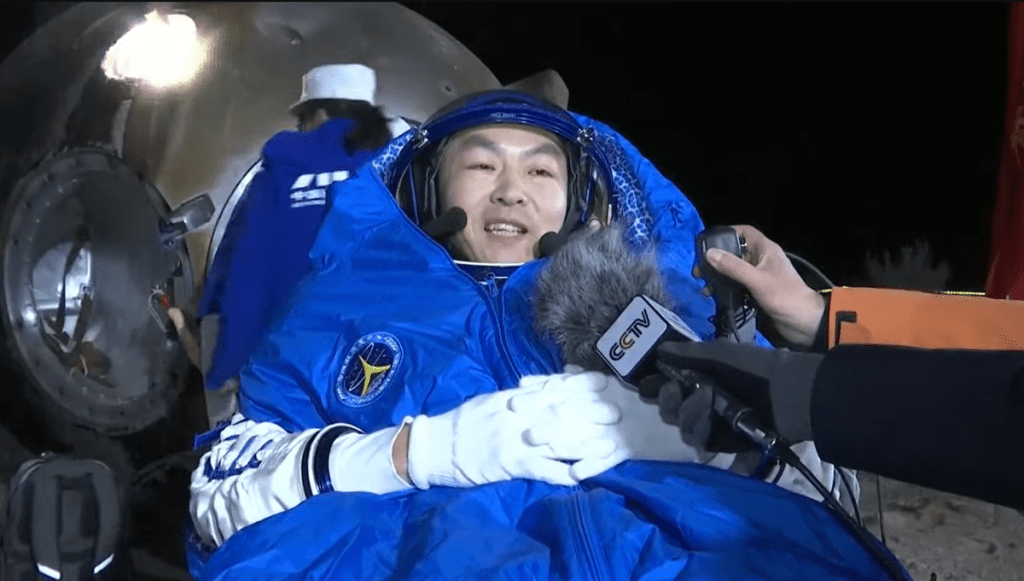
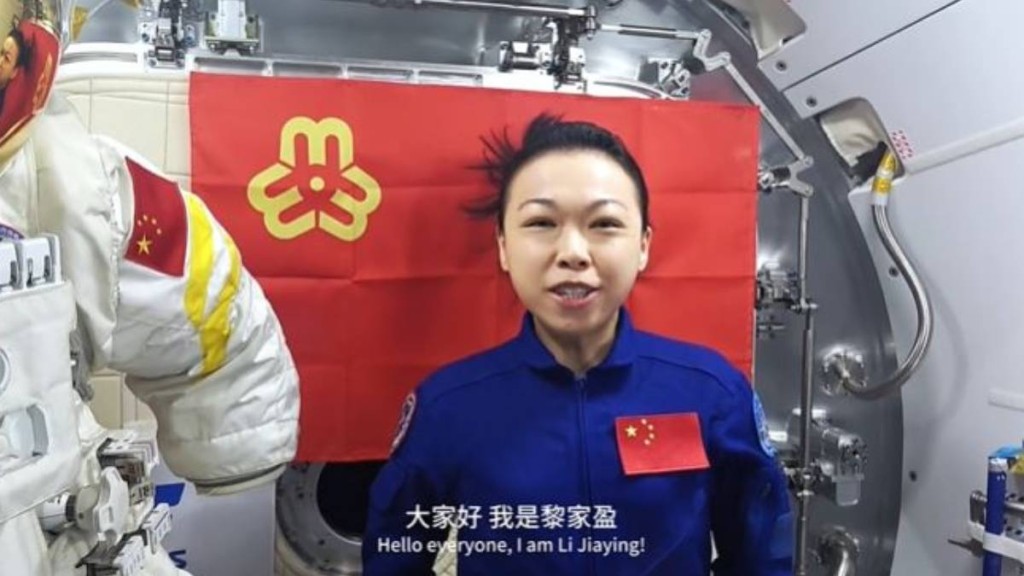
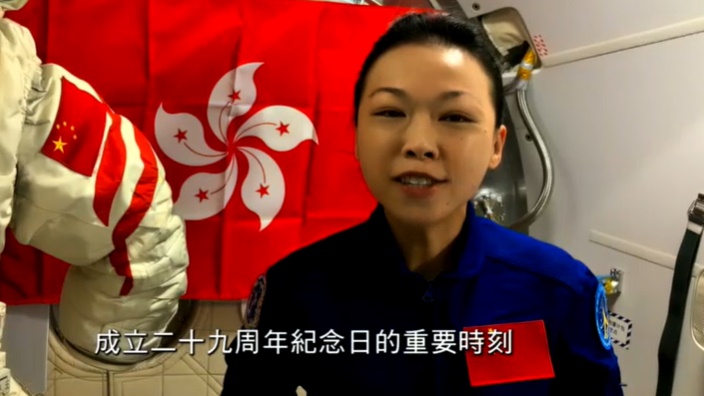
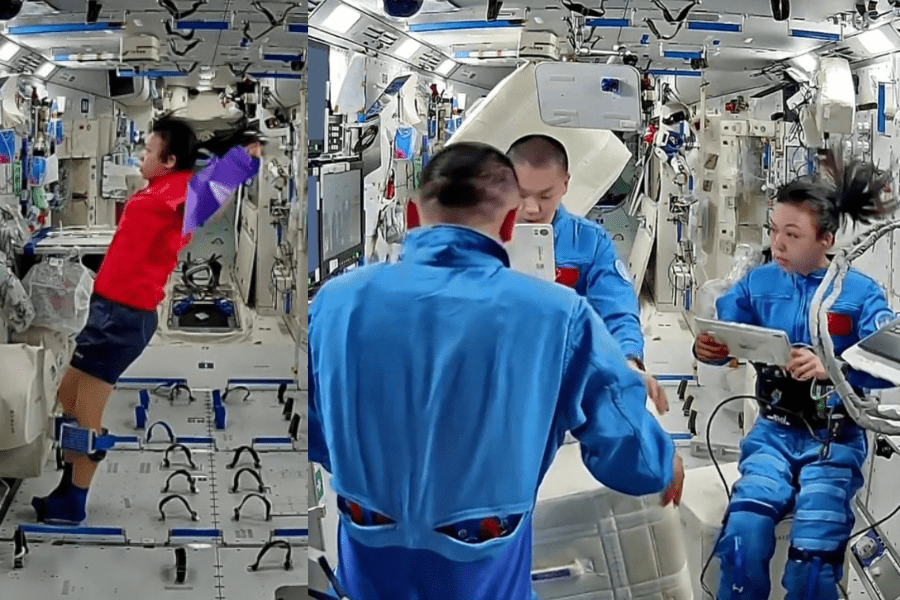
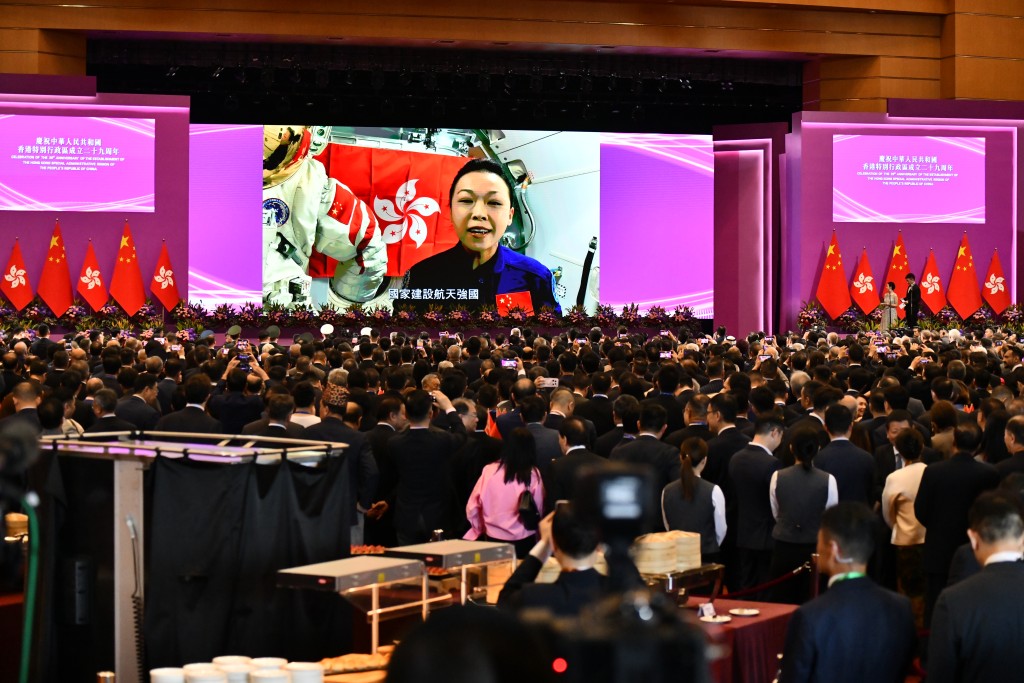
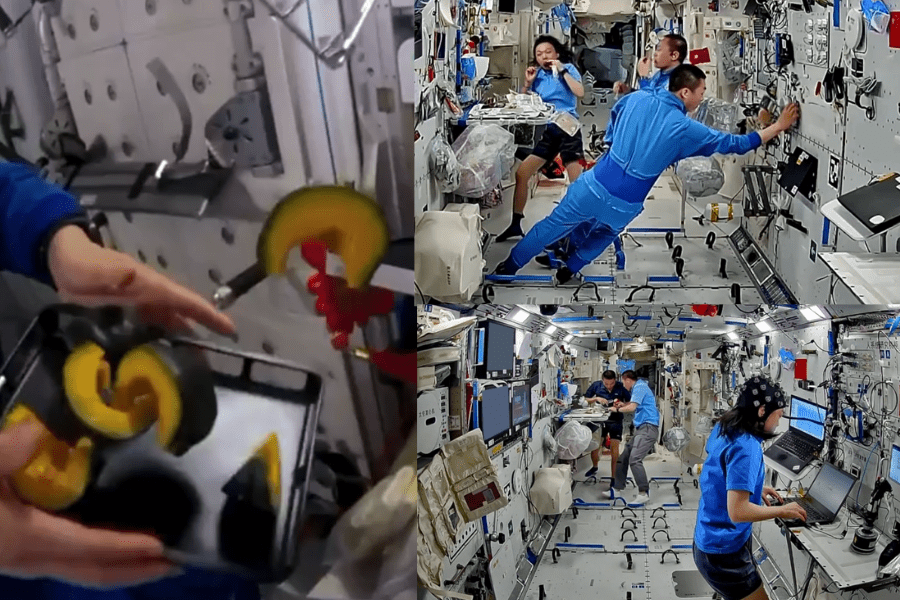
Lai Ka-ying gives an interview after exiting the return capsule. (Video screenshot via CCTV)
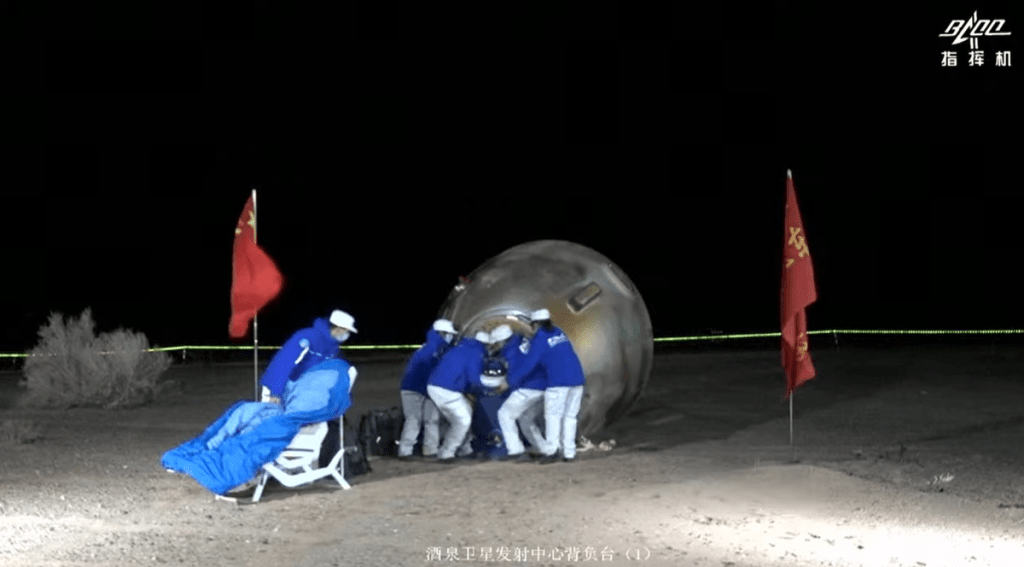
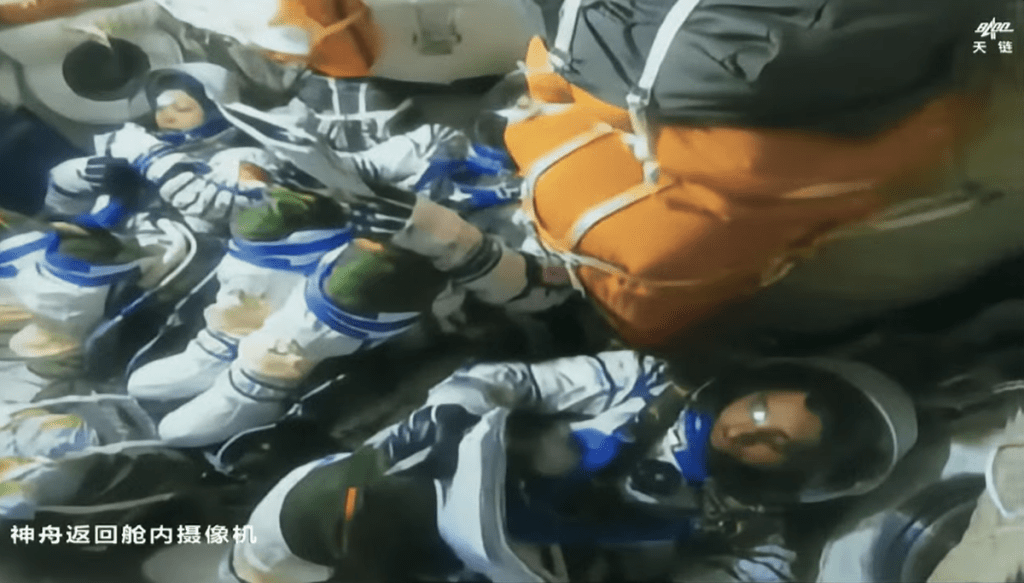
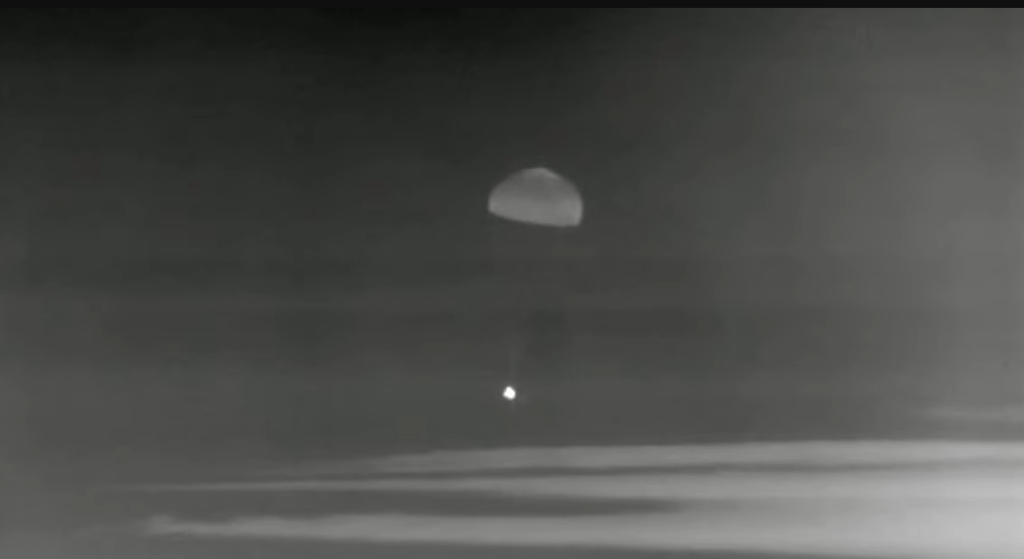
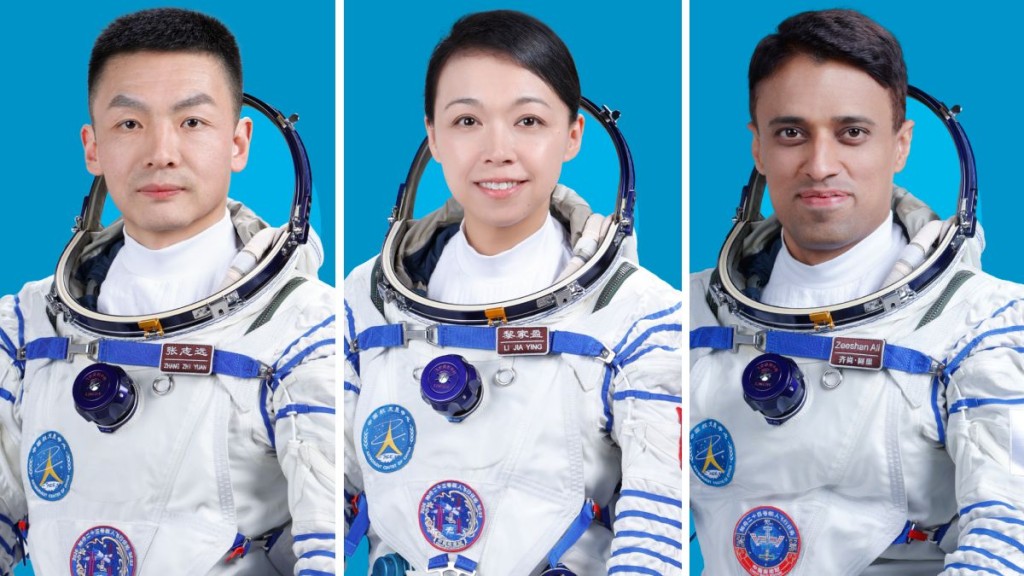
China's Shenzhou-23 return capsule has safely touched down at the Dongfeng Landing Site in Inner Mongolia on Monday morning, bringing Hong Kong's first astronaut, Lai Ka-ying, and Pakistan's first space traveler, Muhammad Zeeshan Ali, back to Earth alongside mission commander Zhang Zhiyuan, state news agency Xinhua reported.
ADVERTISEMENT
SCROLL TO CONTINUE WITH CONTENT
The return capsule streaked across the pre-dawn sky before landing safely in the Gobi Desert, concluding the crew's orbital mission following the spacecraft's undocking from the Tiangong space station at 11.42pm on Sunday.
According to the China Manned Space Agency, the crew completed pre-departure procedures—including configuring the space station complex, transmitting experimental data, and transferring supplies—before separating from the orbital outpost and executing a three-orbit fast-return profile.
+3
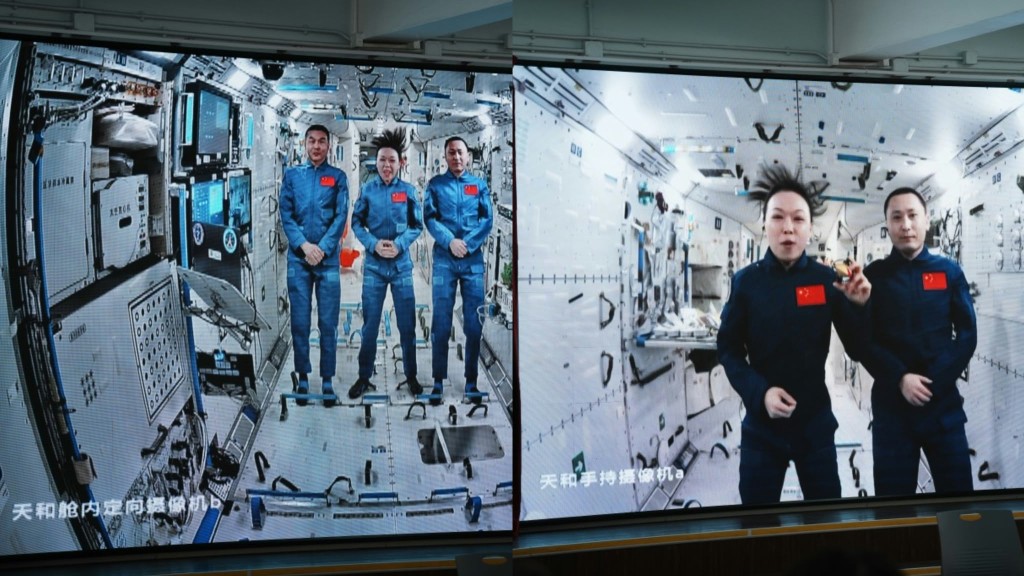
Lai wraps up record 190-day orbital mission
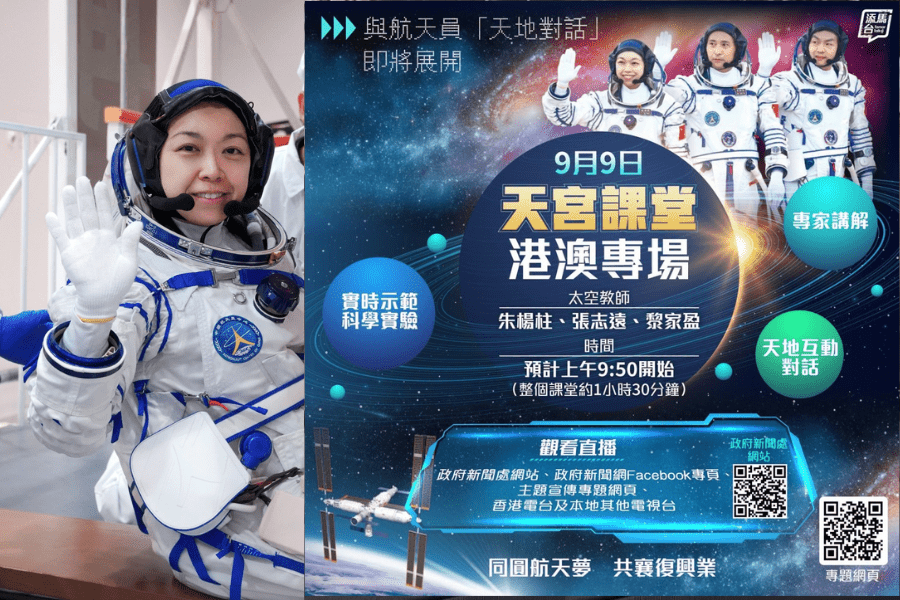
Lai, who launched aboard Shenzhou-23 on May 24, is concluding an approximately 190-day mission—setting a new single-flight endurance record for a Chinese female astronaut. Her alma maters, Tsuen Wan Public Ho Chuen Yiu Memorial College and the University of Hong Kong, both expressed pride in her achievement and said they look forward to welcoming her back to share her experiences.
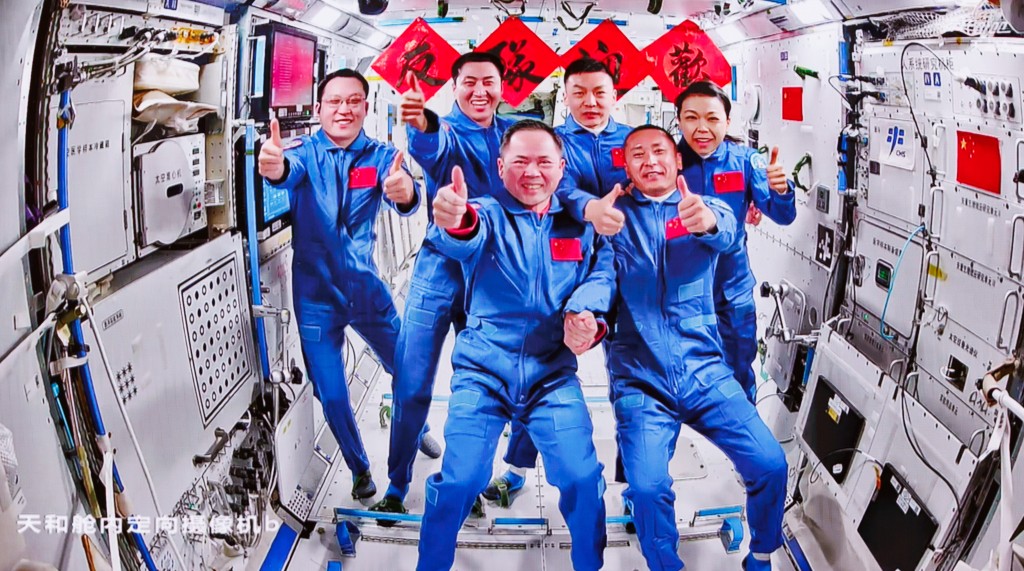
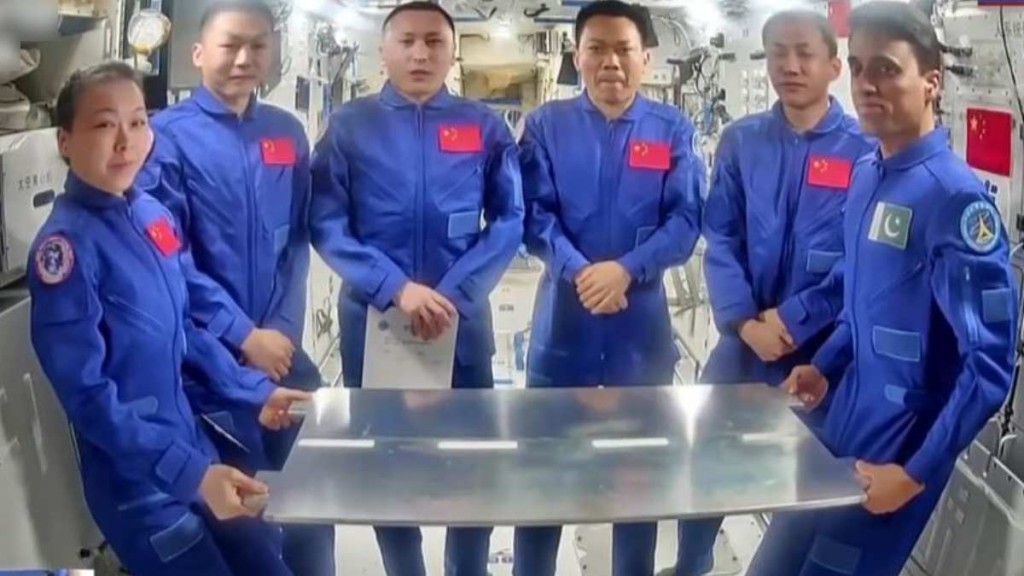
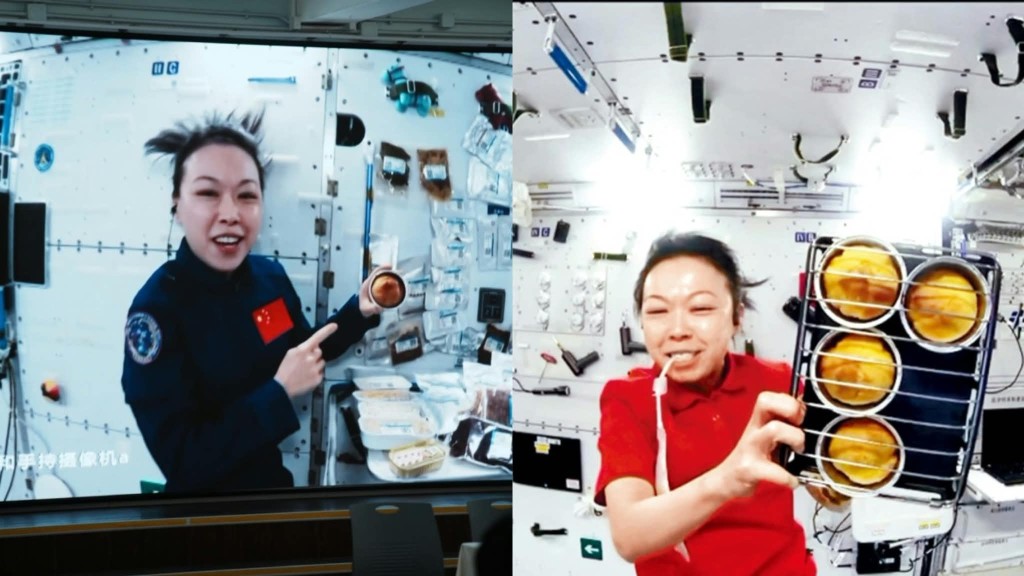
Prior to undocking, the Shenzhou-23 and Shenzhou-24 crews held an in-orbit handover ceremony on Saturday. During the event, the incoming crew presented Lai with a special Tiangong gift named "Happiness," carrying wishes for Hong Kong's prosperity and well-being, which Lai described as a precious keepsake from space.
Following the handover, astronaut Zhu Yangzhu remains in orbit to undertake a one-year residency mission alongside Shenzhou-24 commander Tang Hongbo and crewmate Wu Yi.
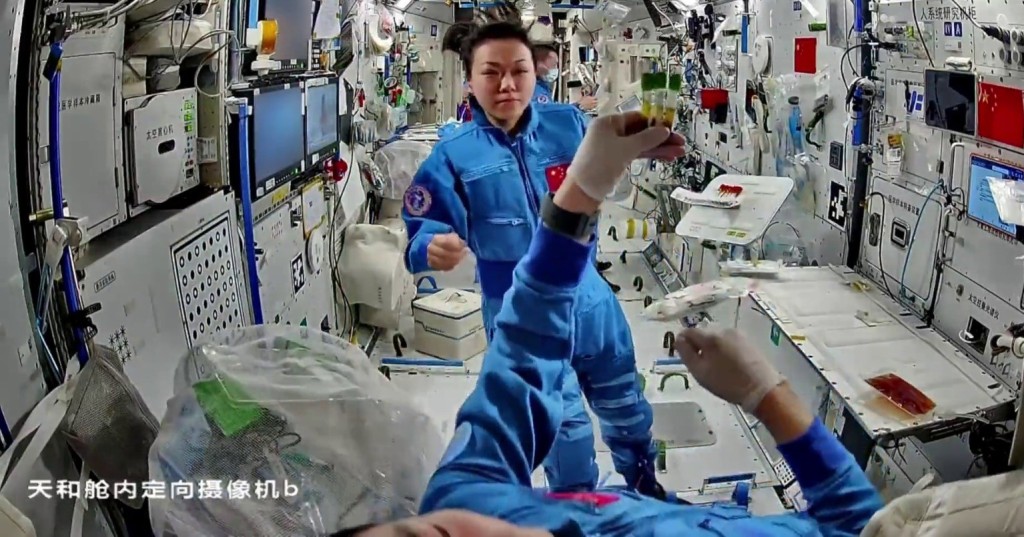
Ali, the first foreign astronaut to visit China's space station, arrived aboard Shenzhou-24 on November 25 for a five-day mission under a longstanding China-Pakistan space partnership. Serving as a payload specialist, he conducted four joint experiments in life sciences and materials science during his stay.
To support the pre-dawn landing in sub-zero temperatures and darkness, recovery teams conducted full-system drills and deployed drones equipped with aerial lighting systems to illuminate the landing zone and ensure a safe capsule exit.