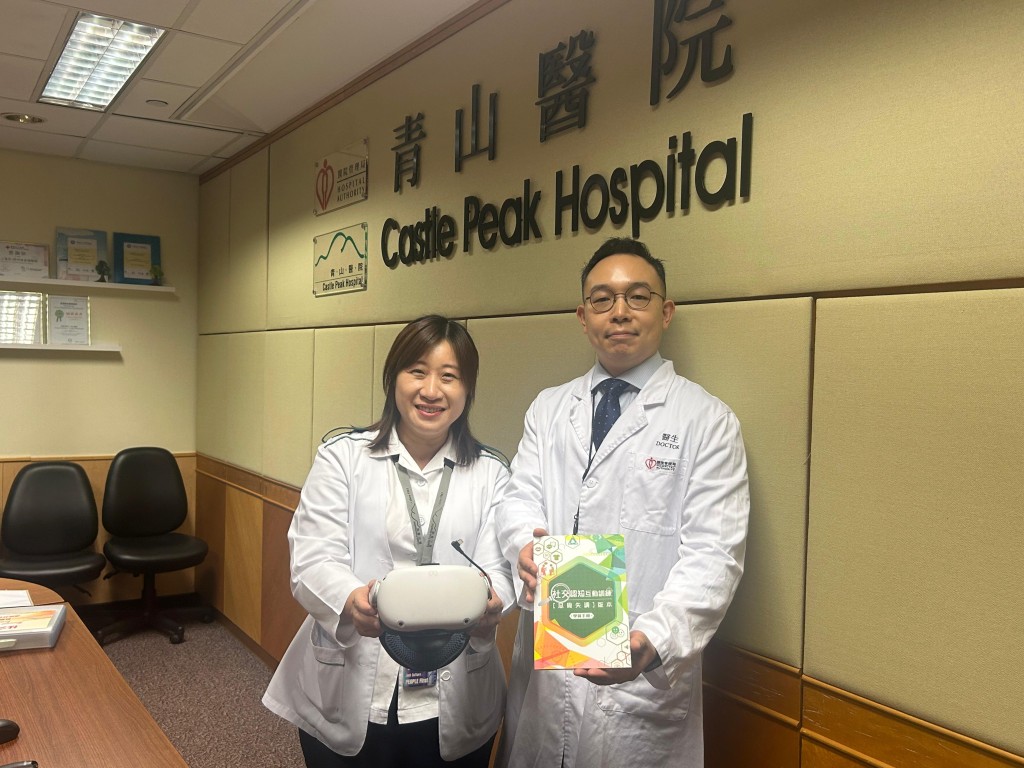
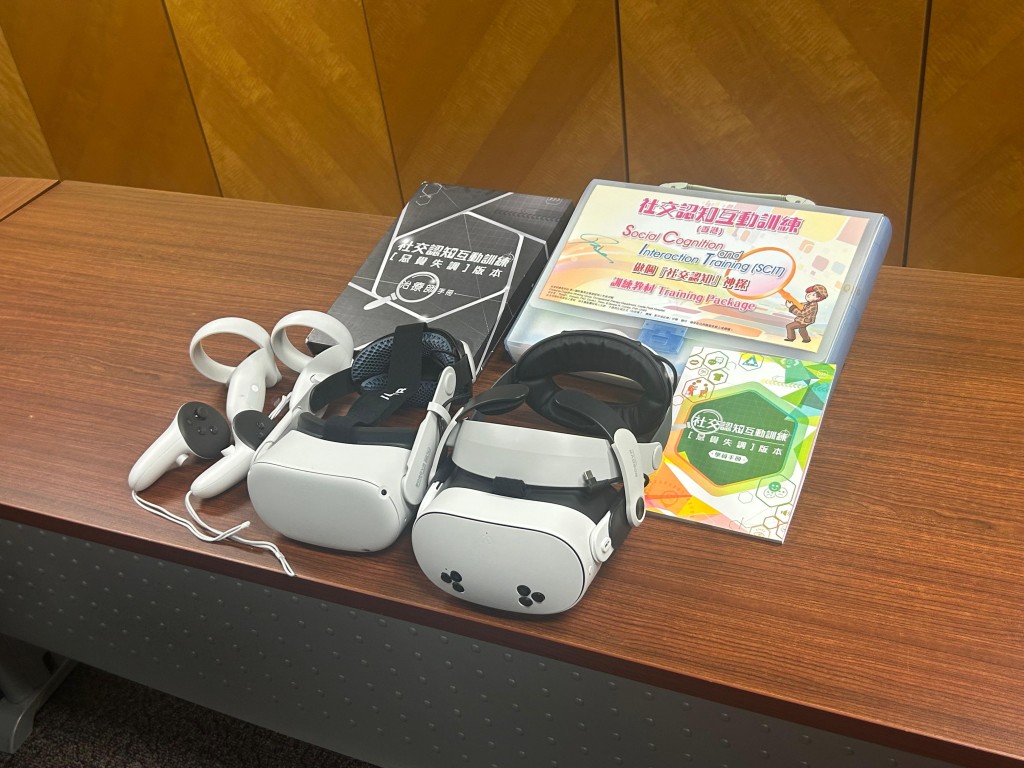
Castle Peak Hospital in Tuen Mun has introduced a virtual reality (VR) training program for psychiatric patients, aiming to improve their social skills and emotional awareness. A recent pilot program revealed that patients made significant progress in recognizing emotions and mentalizing.
Between July and October, 13 patients diagnosed with schizophrenia participated in eight one-hour VR sessions, which were conducted once or twice a week.
The VR training utilizes 360-degree videos recorded by medical staff to immerse patients in nine different social scenarios related to daily life, work, and school. Through repeated practice, patients are able to refine their interactions and distinguish facts from personal assumptions.
A feature known as the “expression magnifier” allows participants to better observe and interpret facial expressions and behavioral cues linked to emotions like happiness, anger, and disgust.
Mayie Tsang Mei-yi, department manager of the Occupational Therapy Department, said participants were assessed before and after the training. The assessments showed significant improvements in several areas of social cognition, including emotion perception and mentalizing. Participants also said the sessions had boosted their confidence and motivation.
Unlike traditional video-based methods, Tsang explained that VR provides an immersive experience that can reduce tension and anxiety, while boosting motivation and engagement. She added that repeated practice reinforced learning, helping patients apply their skills in daily life.
The hospital has now incorporated the VR training into its regular program.
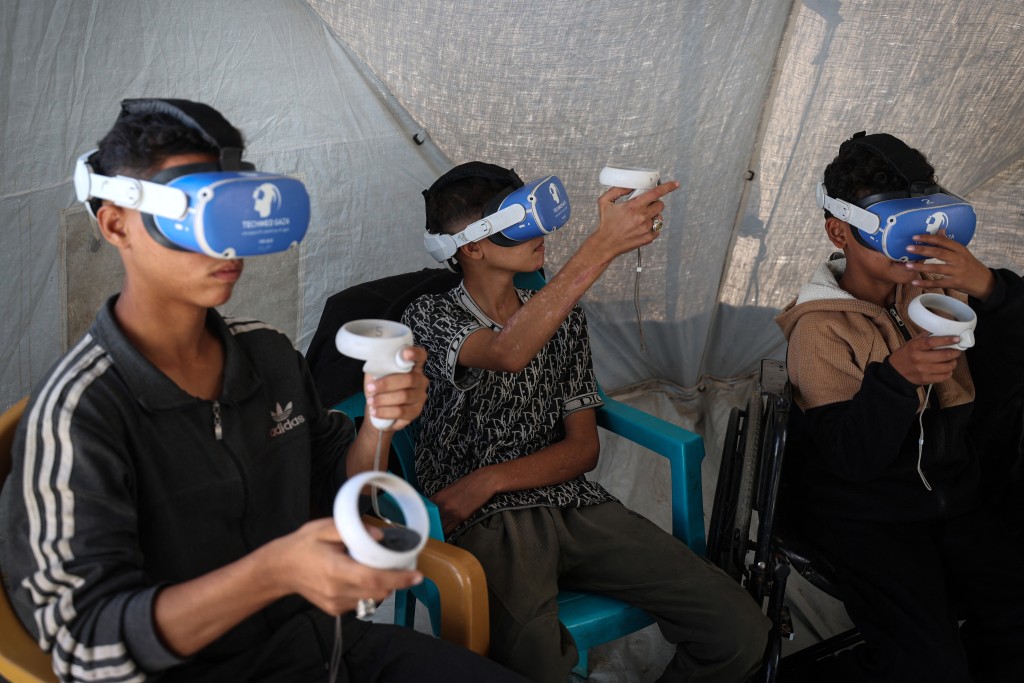
Eric Lai Chun-lun, an associate consultant in the Department of Child and Adolescent Psychiatry, said VR headsets were particularly appealing to children and adolescents. The hospital will explore using VR to treat more psychiatric conditions and introduce AI-generated clips depicting different social scenarios to support therapy.
To mark its 65th anniversary, the hospital will hold an open day on December 5, featuring booths, performances and talks. Members of the public will be able to try the VR headsets and tour facilities, including Mind Space, a mental health experience center, and the neuromodulation treatment center.