Read More



Morning Recap - November 5, 2026
8 hours ago




Ex-husband's DNA found on hammer handle, court hears in Abby Choi trial
04-11-2026 14:45 HKT


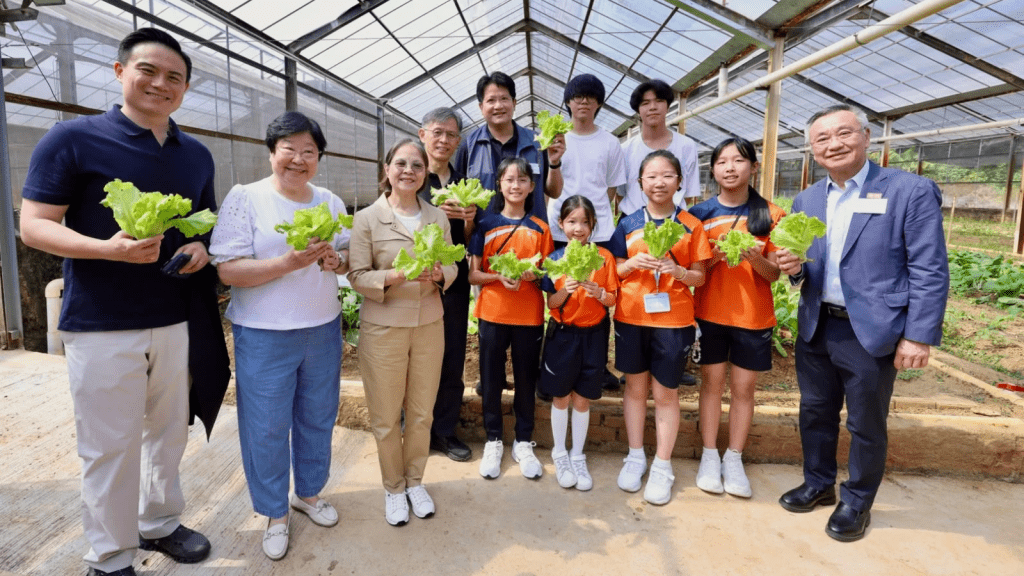
When people think about sustainability, technology and public policy often come to mind first. Yet our everyday choices matter just as much. How food is produced and how resources are used all have an impact on the environment.
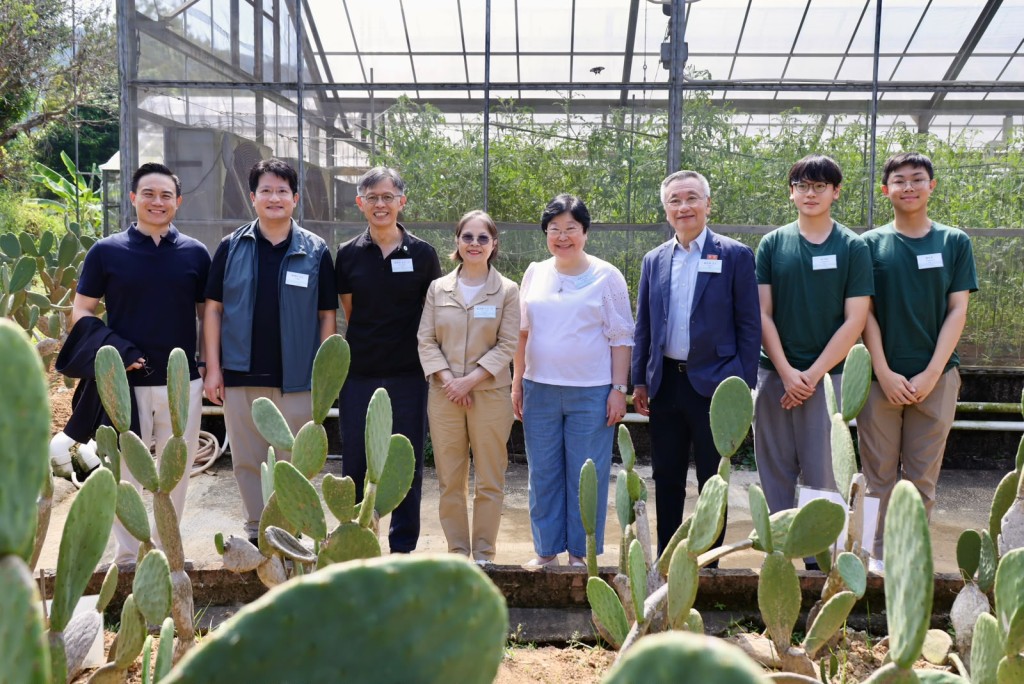
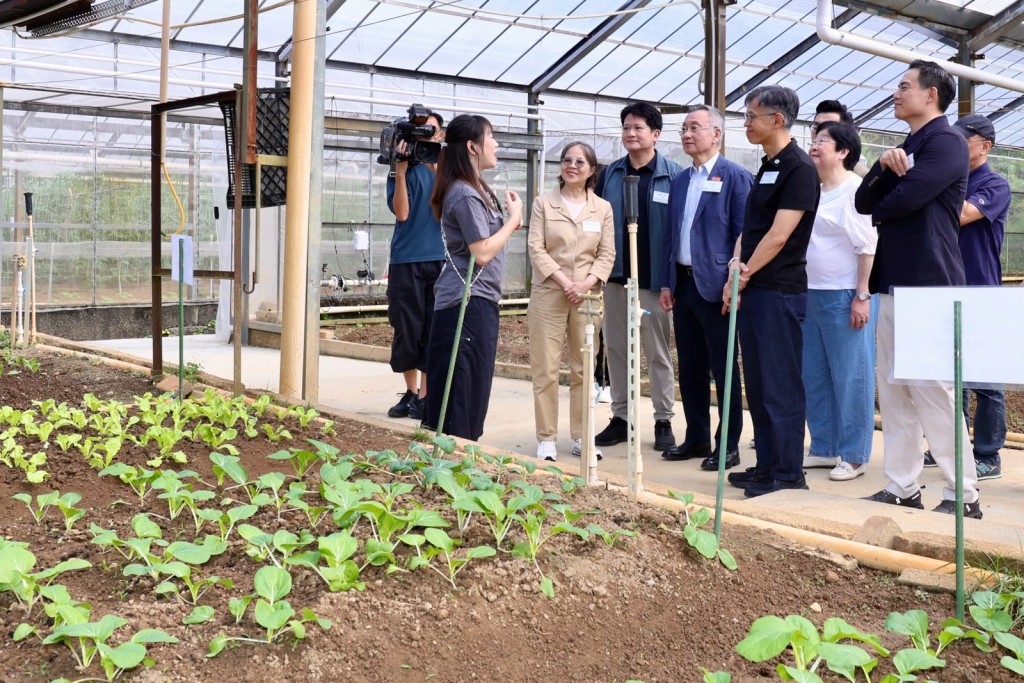
To help the public explore these issues through first-hand experience, The Hong Kong Jockey Club Charities Trust has supported The Hong Kong Federation of Youth Groups to launch the Jockey Club Climate Smart Agriculture Educational Project. Under the project, the HKFYG Jockey Club Organic Farm within the Tai Lam Country Park has been redeveloped as a learning platform that brings together organic farming, smart agriculture, environmental education and low-carbon living.
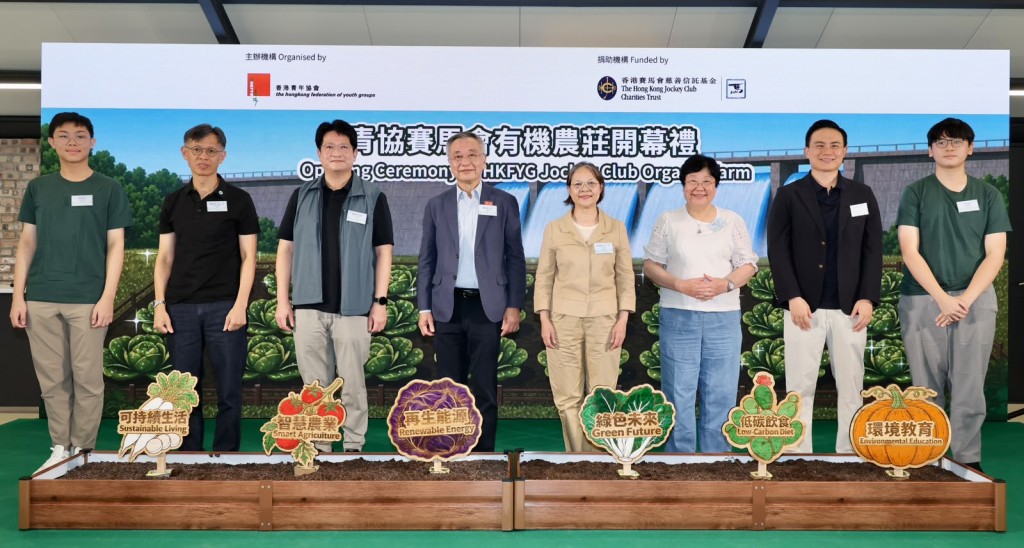
Covering approximately 160,000 square feet, the farm incorporates green building design, energy-efficient facilities, rainwater collection and renewable energy systems. It also uses smart agricultural technologies to demonstrate how innovation can improve resource efficiency and help farming adapt to the challenges of extreme weather.
Experiential learning is another key feature of the farm. Through educational tours, workshops, outreach activities and open days, participants can explore the links between agriculture, the environment and everyday life, while learning how climate change affects food supply.
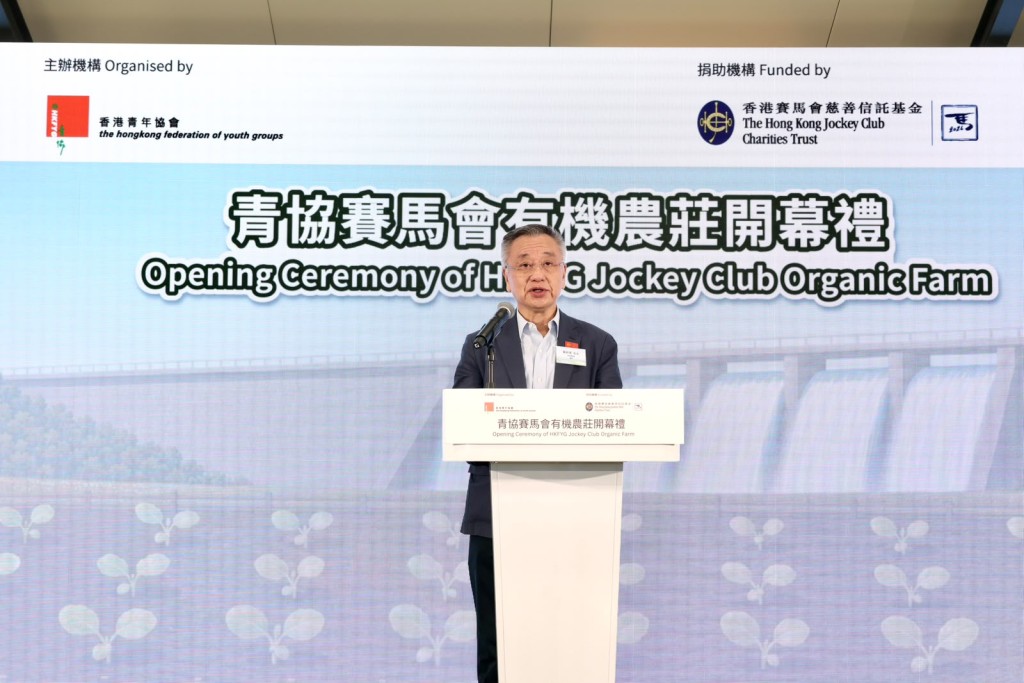
Speaking at a ceremony marking the farm’s re-opening, Club Steward Philip Lo said the Club hopes to inspire young people to better understand the links between climate change, food systems and sustainable living, while encouraging them to adopt low-carbon lifestyles. He added that the Club will continue to advance sustainability as one of its impact programmes. Through cross-sector collaboration, innovation and community education, the Club will promote carbon and waste reduction, support biodiversity conservation, and enhance the community’s resilience to climate change.
Through the farm’s experiential and educational activities, the project is expected to reach around 90,000 students and members of the public over three years, helping to raise awareness of climate change and inspiring participants to adopt more sustainable practices in their daily lives.