Read More

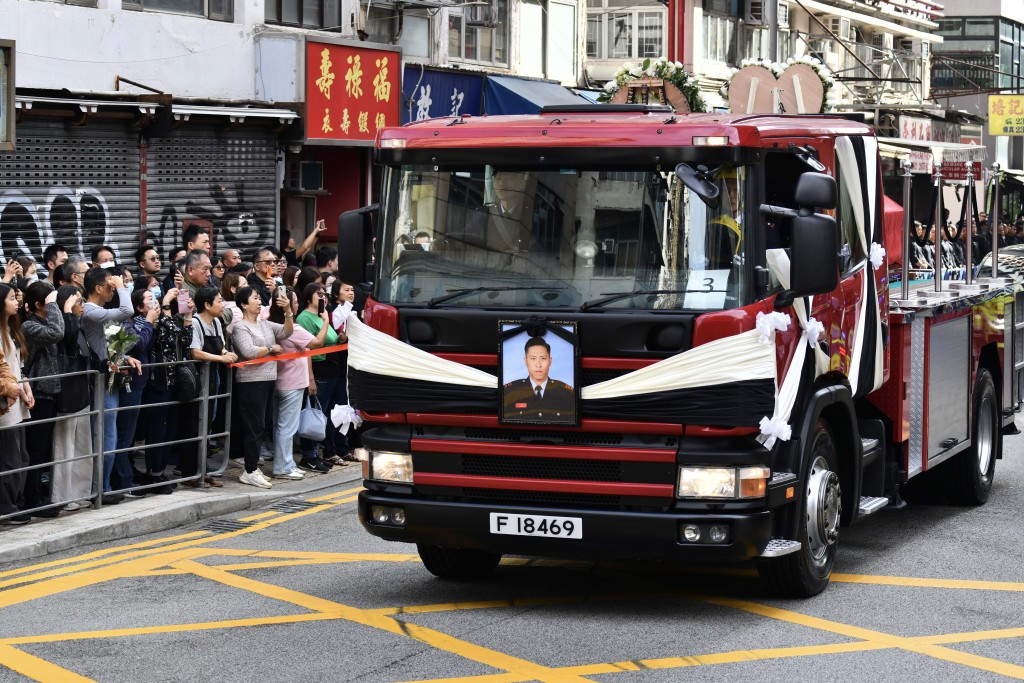


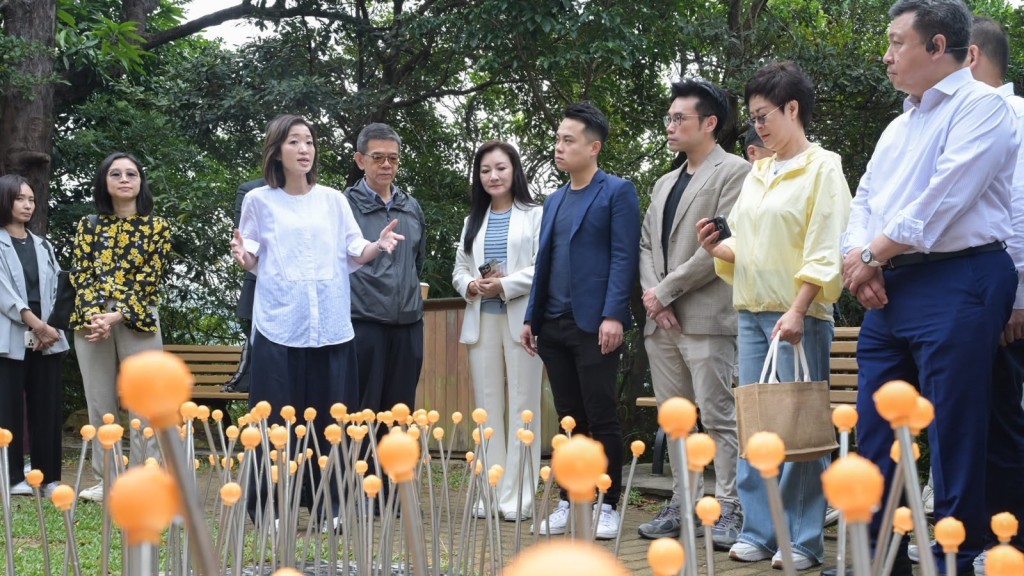
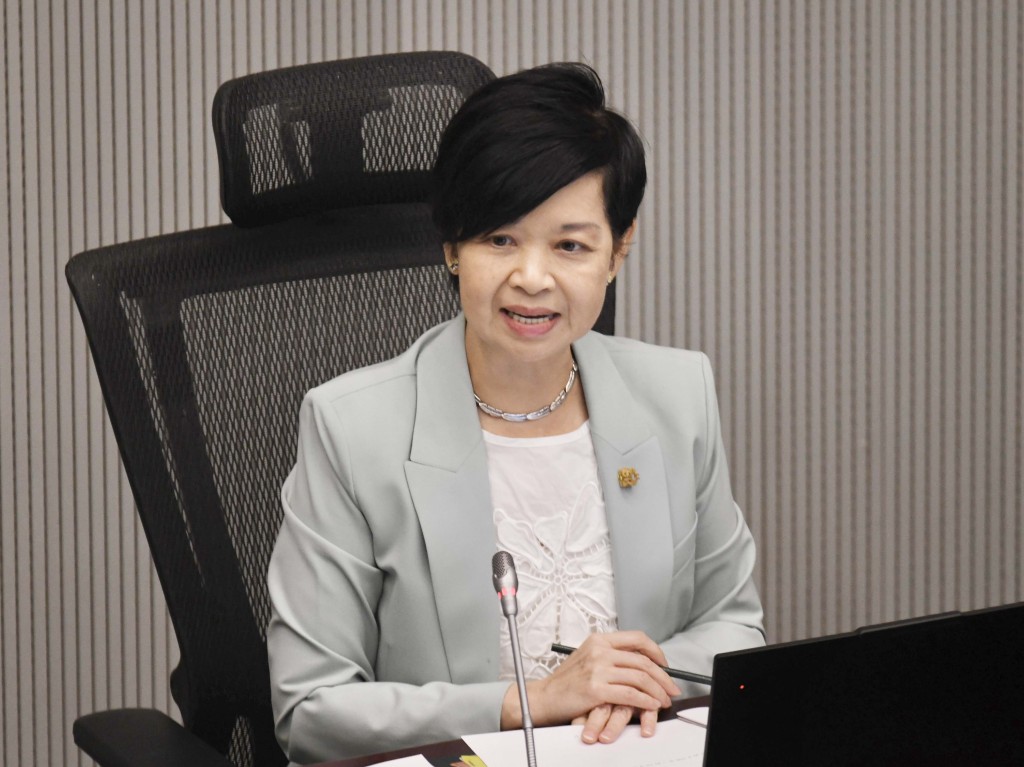
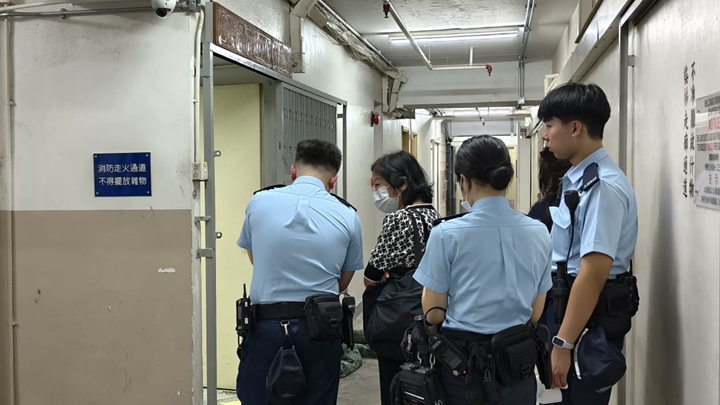

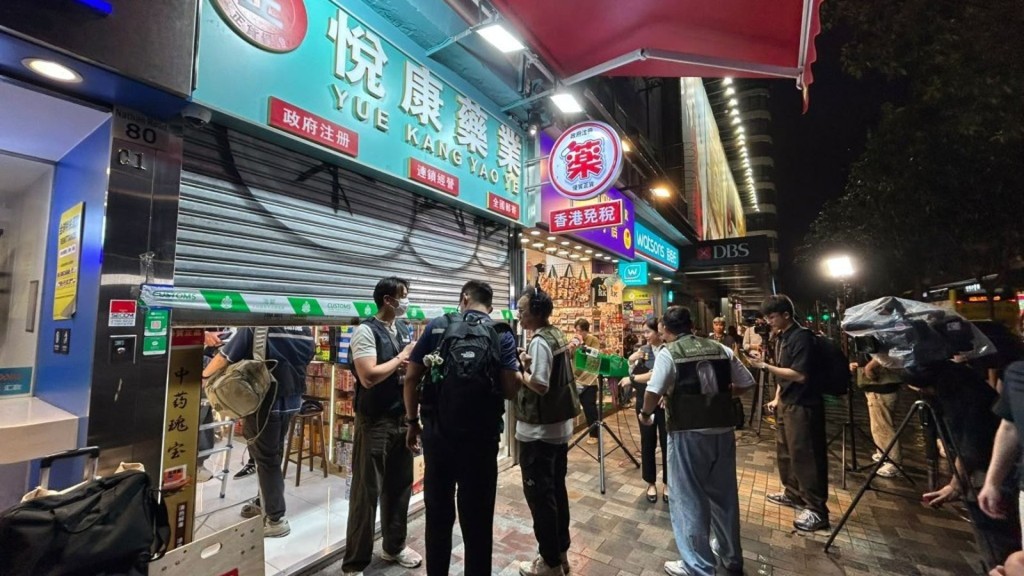


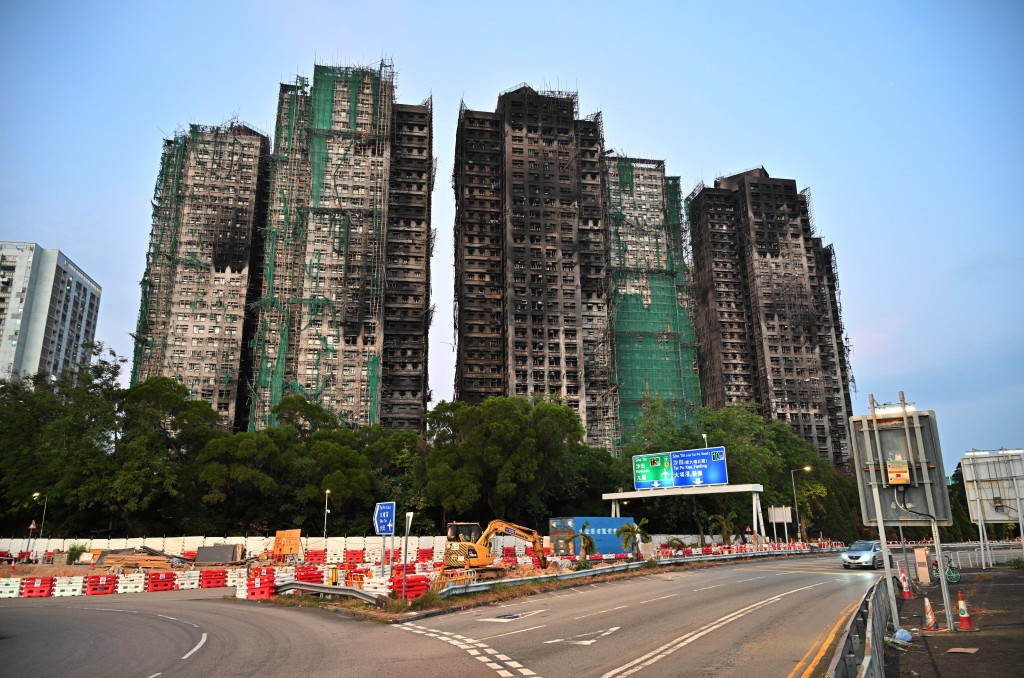
Authorities have launched a three-month administrative investigation into civil service accountability regarding the Wang Fuk Court fire, with approximately 100 government personnel expected to be interviewed and up to 50 identified as subjects of inquiry.
Secretary for the Civil Service Ingrid Yeung Ho Poi-yan and Public Service Commission Chairman Maisie Cheng Mei-sze outlined the scope of the administrative review following the release of the independent committee's findings.
Yeung stated that Chief Executive John Lee Ka-chiu had instructed the panel to conclude its findings within three months.
Cheng noted that following weeks of preliminary preparations, the investigation team was ready to commence work immediately.
Cheng will chair the investigation panel alongside Public Service Commission members Ann Kung Yeung Yun-chi and Wong Koon-man.
A dedicated support office composed of administrative officers, executive officers, and personnel with investigative backgrounds has been established to assist the team.
Cheng stressed that the panel would assume an active leadership role, directly steering and supervising every stage of the probe.
Addressing the scope of personnel involved, Cheng explained that the inquiry had just begun, making it premature to provide an exact breakdown of interviewees across ranks or departments.
However, she emphasized that any civil servant previously involved in overseeing fire risk management and engineering works at Wang Fuk Court would be subject to interview or investigation, regardless of their grade or seniority.
The team will use the independent committee’s report and publicly disclosed findings as a foundation to scrutinize potential deficiencies and lapses in duty among individual officers.
Cheng acknowledged that tracing administrative responsibility across multiple departments would be intricate and demanding given the compressed schedule, but said files and records would be requested from the relevant departments without delay.
Yeung noted that the secondary inquiry conducted by the Public Service Commission is intended to uncover facts, ascertain individual culpability, and recommend disciplinary or administrative penalties based on the evidence.
Drawing a comparison with the internal investigation into the Lamma Island ferry collision, which took nine months, Yeung remarked that the three-month deadline demonstrated the administration's resolve to clarify administrative liability swiftly.
Once the panel submits its recommendations, authorities will determine whether to pursue formal disciplinary proceedings or direct administrative sanctions.
Yeung explained that more serious misconduct would be referred to disciplinary authorities for formal adjudication, whereas minor infractions would be handled directly through administrative punishment.
If allegations are substantiated during a disciplinary hearing, potential penalties range from reprimands and fines to demotion, compulsory retirement, or dismissal.
Yeung added that officers facing hearings would have full rights to present evidence, defend themselves, and seek legal representation.
However, individuals who admit to the allegations would not require a full hearing and could submit written mitigation instead.
Responding to inquiries about former civil servants who have already left the government, Cheng acknowledged that while departing personnel cannot face internal disciplinary measures for non-compliance, authorities possess extensive documentary evidence, meeting minutes, and project files.
She expressed confidence that departments would cooperate fully, adding that colleagues from the relevant teams would be called upon to reconstruct events even if specific former staff declined to be interviewed.
Yeung also clarified that existing civil service regulations allow the government to hold retiring officers accountable if evidence reveals dereliction of duty. In cases where dismissal is warranted, the administration has the power to withhold pensions entirely.
For officers ordered into compulsory retirement with reduced benefits, corresponding pension deductions will apply, and equivalent measures exist to withhold government voluntary contributions under the Civil Service Provident Fund Scheme.